Ten national parks, and a road between every one of them.
That is the whole argument.
Half the world's mountain gorillas live here, and the permit costs $800 against Rwanda's $1,500. Beyond the forest the country runs from snow on the Rwenzori to the point where the Nile leaves Lake Victoria.
Most African safari countries ask you to fly between parks. Uganda does not. The country is the size of Great Britain and the parks sit within a day's drive of each other, so a two week trip can take in gorillas, chimpanzees, the Nile and a savanna park without a single internal flight or a single lost morning in a departure lounge.
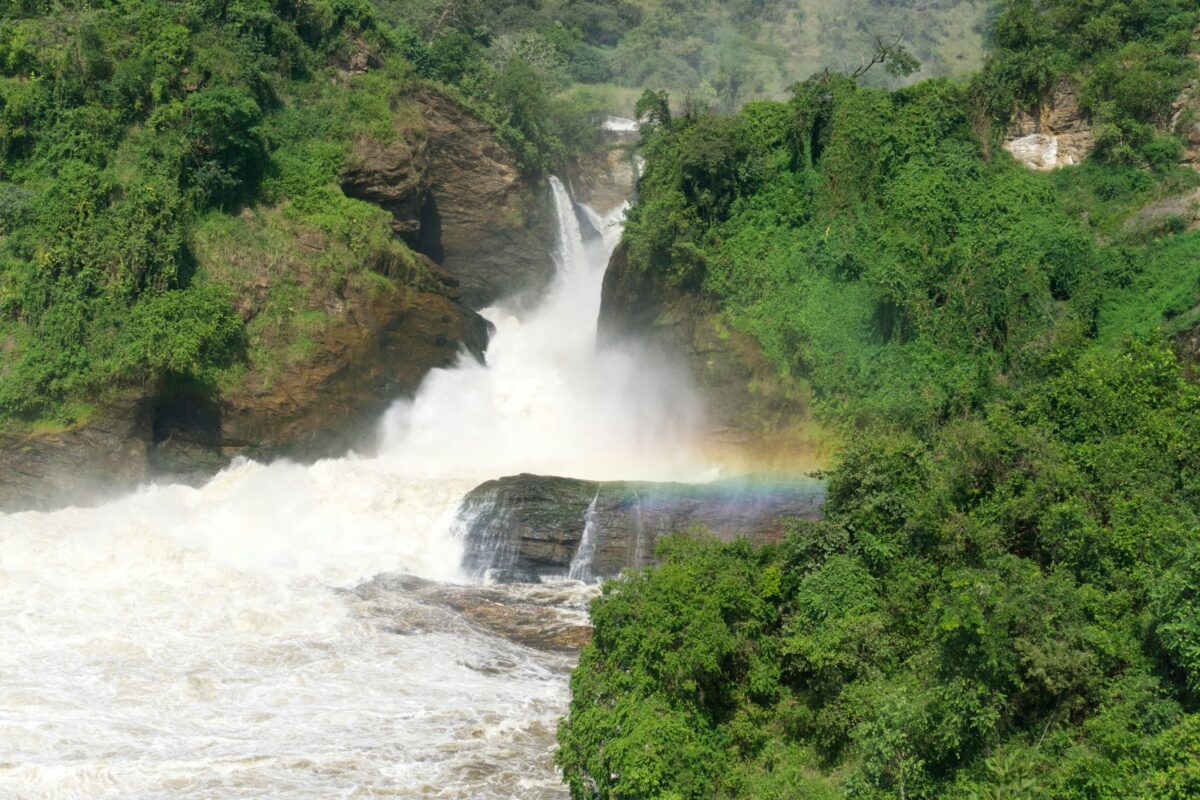
What you get for that is variation no single park delivers. Bwindi is montane rainforest between 1,160 and 2,607 metres. Four hours north, Queen Elizabeth is open savanna with elephant and the Kazinga Channel. Murchison is the Nile bursting through the cliffs of Fajao Gorge. The Rwenzori rise on the border with the Congo.
The gorilla permit is the number people compare. Uganda charges USD 800, Rwanda charges USD 1,500, and in April, May and November Uganda drops to USD 600. The hour with the gorillas, and the rules around it, are almost the same in both.
Safaris in Uganda
Every departure is private and every itinerary below can be lengthened, shortened or combined with Rwanda or Kenya.
 Typically 3 to 5 daysGorilla trekkingUganda Gorilla Trekkingfrom USD 3,450per personSee the itinerary
 Typically 10 to 14 daysChimpanzee trekkingBest of Ugandafrom USD 3,950per personSee the itinerary
 Typically 7 to 10 daysGorilla trekkingUganda Honeymoon Safarifrom USD 4,200per personSee the itinerary
 Typically 8 to 12 daysWildlife safariUganda Family Safarifrom USD 3,600per personSee the itinerary
Bwindi Impenetrable Forest
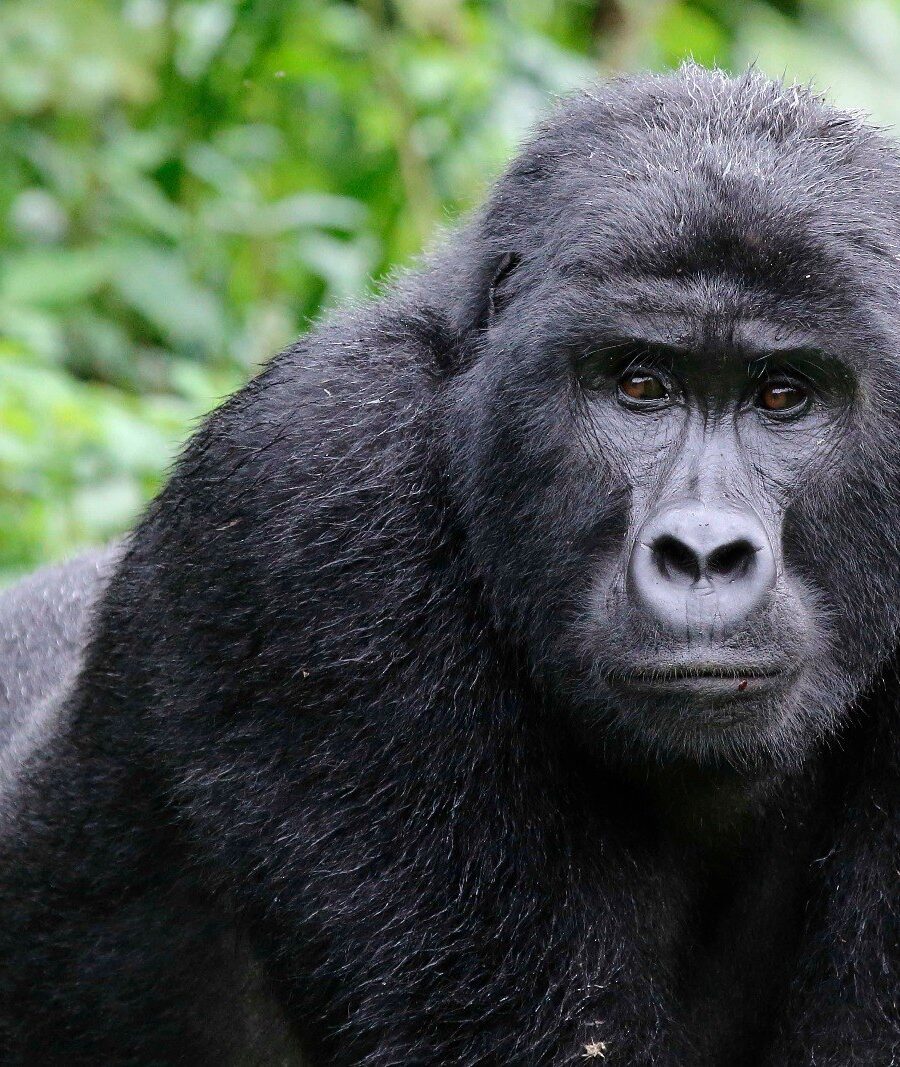
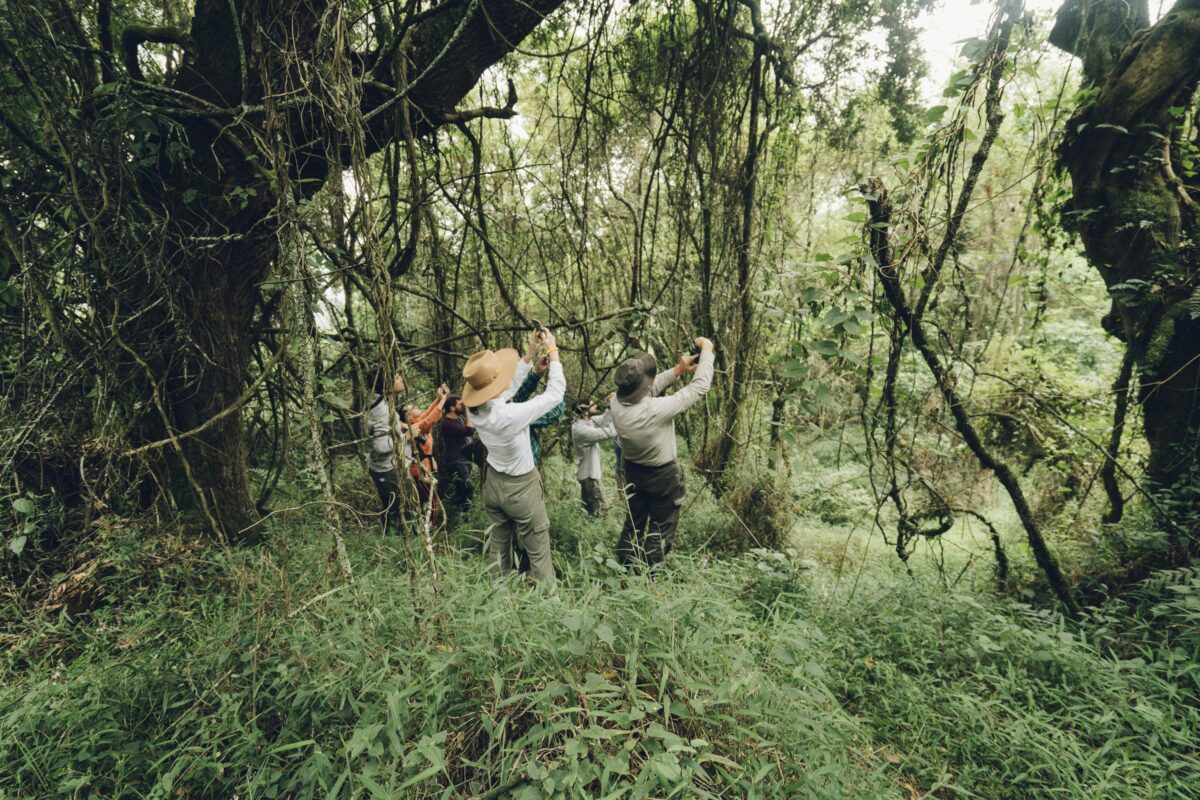
459 of the world's 1,063 mountain gorillas, by the Uganda Wildlife Authority's latest count, in forest between 1,160 and 2,607 metres.
Four sectors, Buhoma, Ruhija, Rushaga and Nkuringo. Your permit is for one of them, and the gorilla family is assigned on the morning of the trek.
Queen Elizabeth National Park
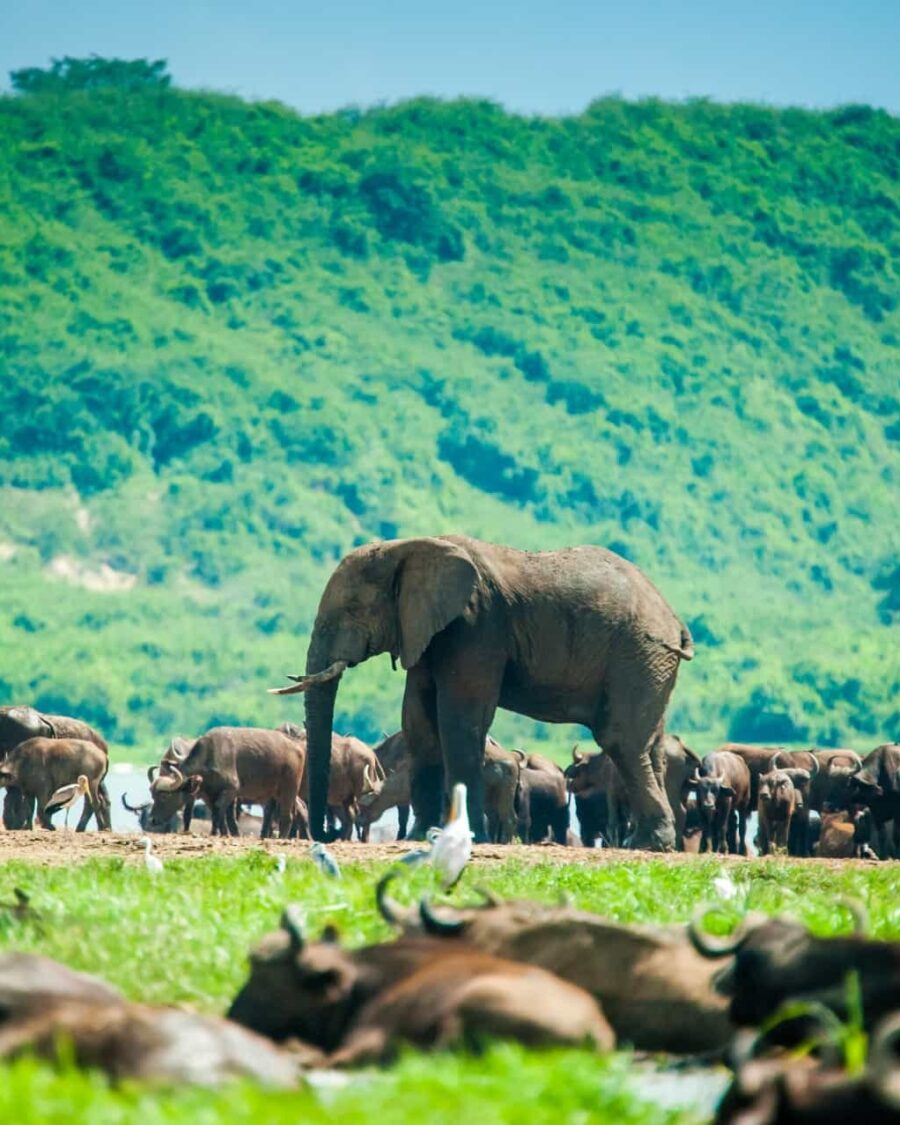
Open savanna between two lakes, with hippos, crocodiles and waterbirds along the Kazinga Channel and lions on the Kasenyi plains.
The Ishasha sector in the south is famous for lions that rest in fig trees, but the Uganda Wildlife Authority said in September 2026 that only three known adult lions remain there.

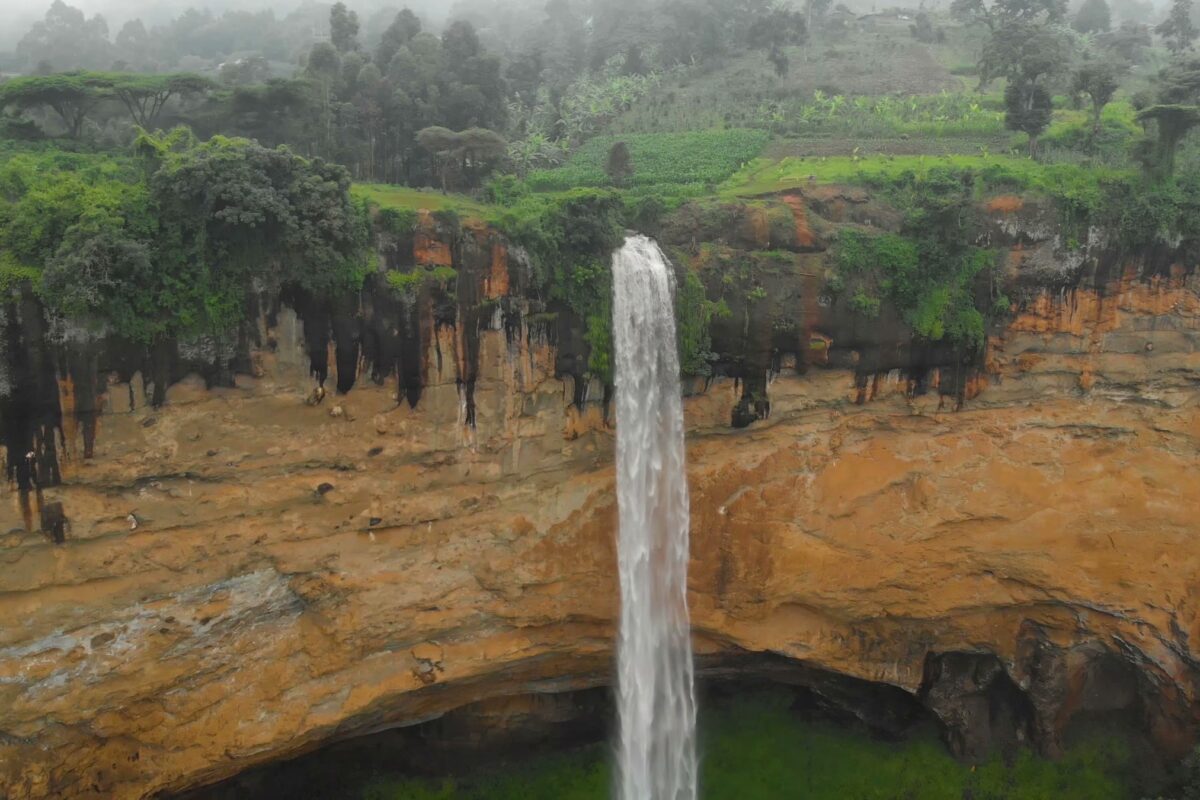
Murchison Falls
The Nile bursts through the cliffs at the head of Fajao Gorge, and a launch of about two hours from Paraa takes you to the foot of the falls.
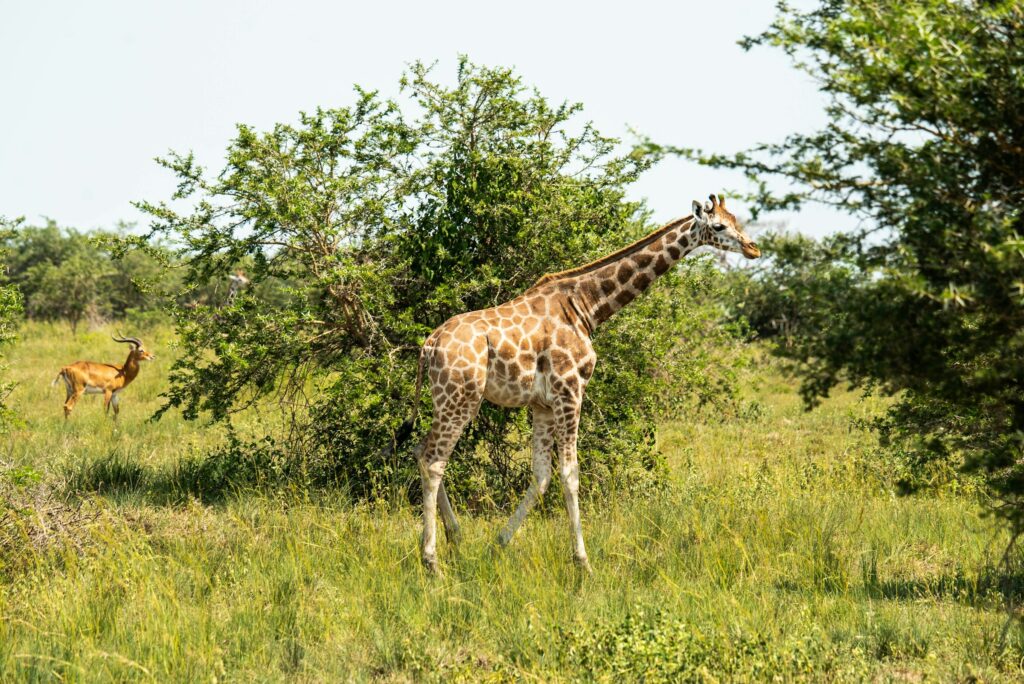
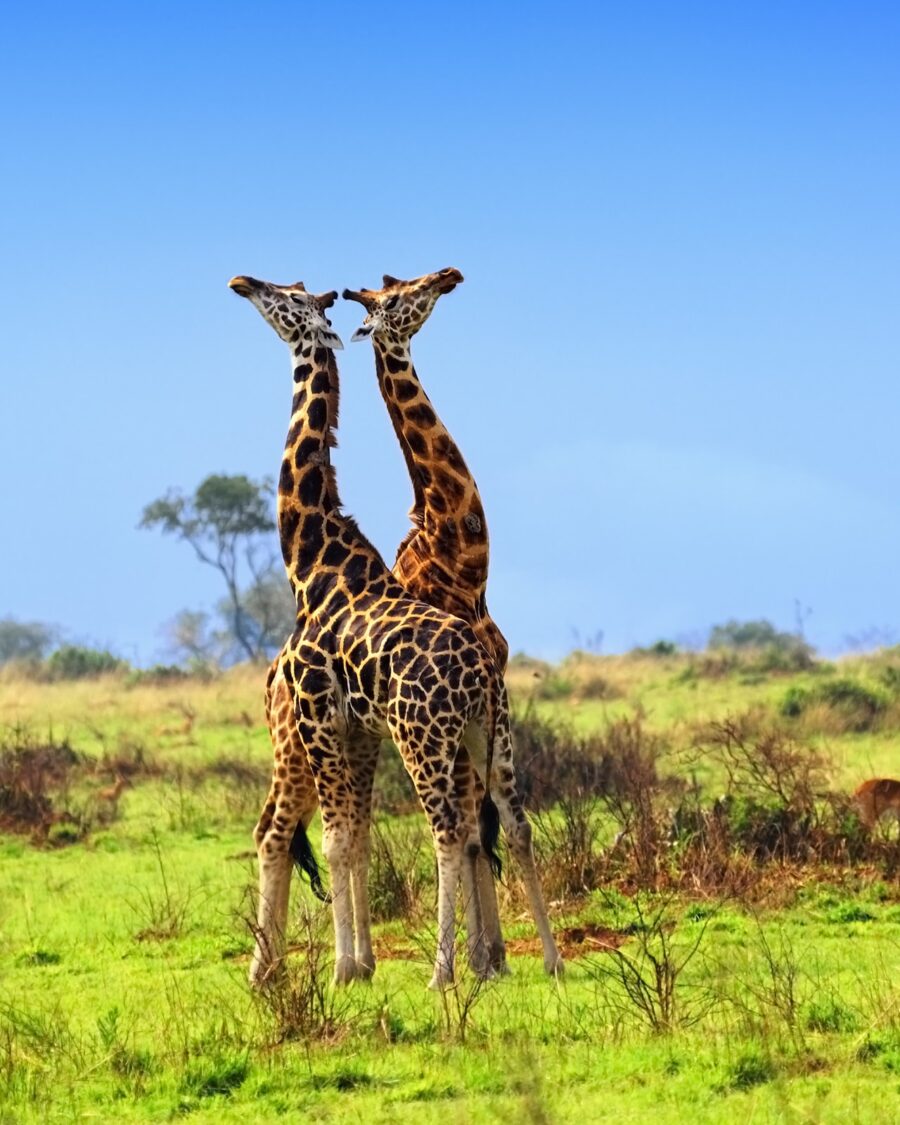
The Buligi Peninsula is the park's prime game-viewing area, with elephant, buffalo, antelopes and giraffe, and lion and leopard if you are lucky.
Kibale Forest
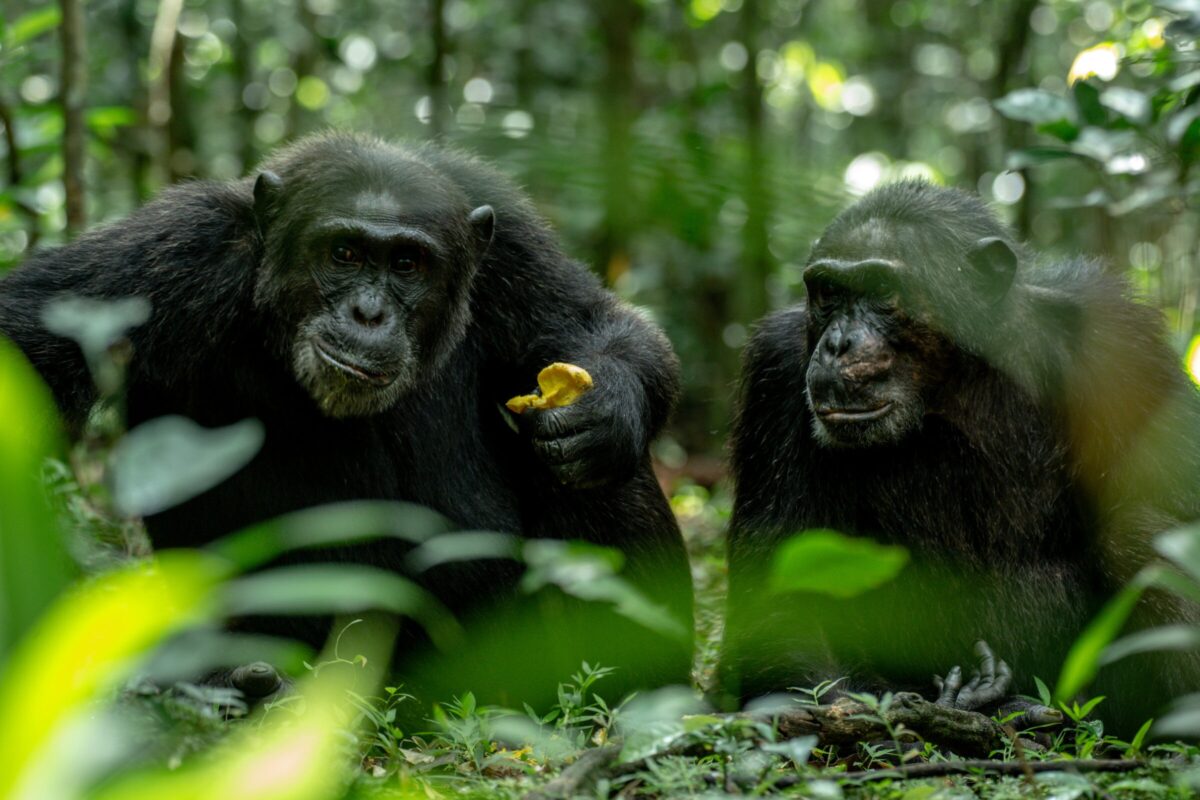
13 primate species and, by the Uganda Wildlife Authority's estimate, about 1,450 chimpanzees.
The standard trek gives you one hour with them. The habituation experience, from 6:30, allows up to four hours alongside the researchers.
Rwenzori Mountains
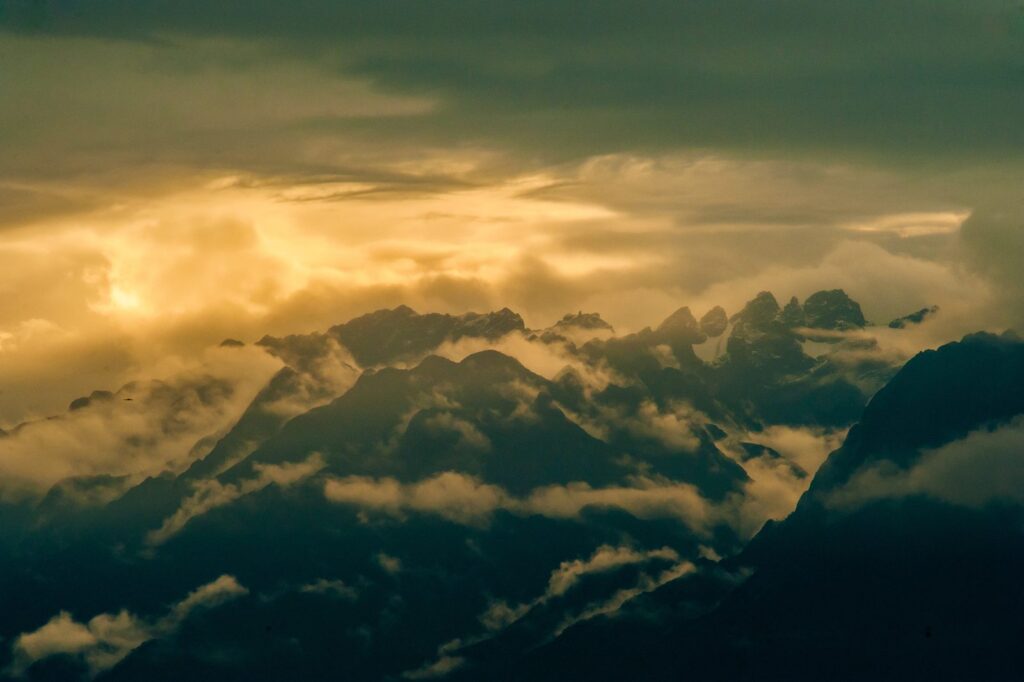
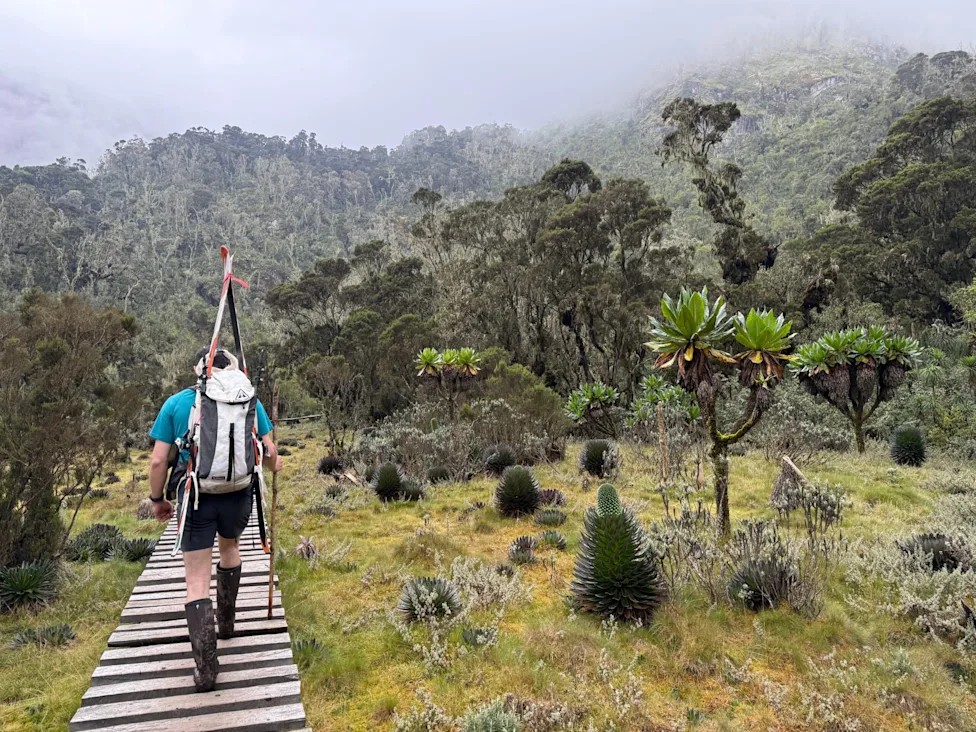
Uganda's high mountains, on the border with the Congo.
A long trek into the high valleys, or a shorter walk on the lower slopes.
Kidepo Valley
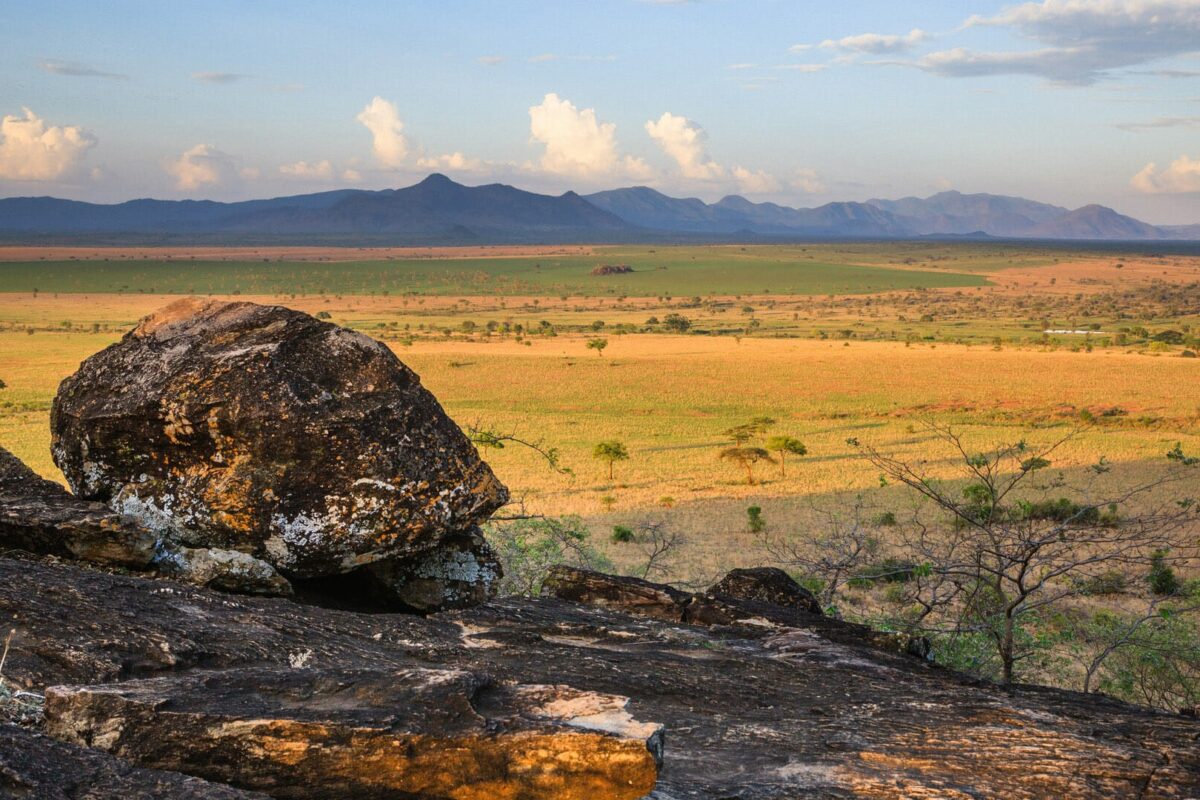
In the Uganda Wildlife Authority's words, the only Ugandan refuge for a number of species, cheetah among them.
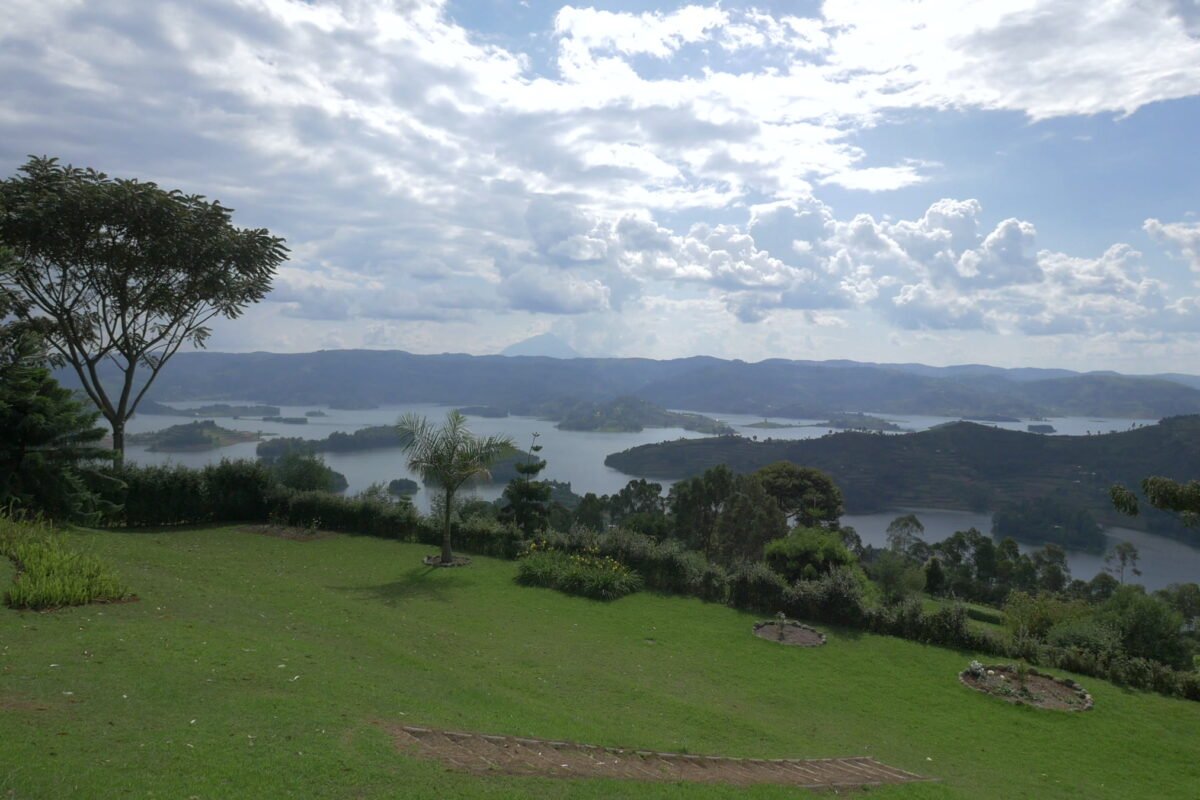
Lake Bunyonyi
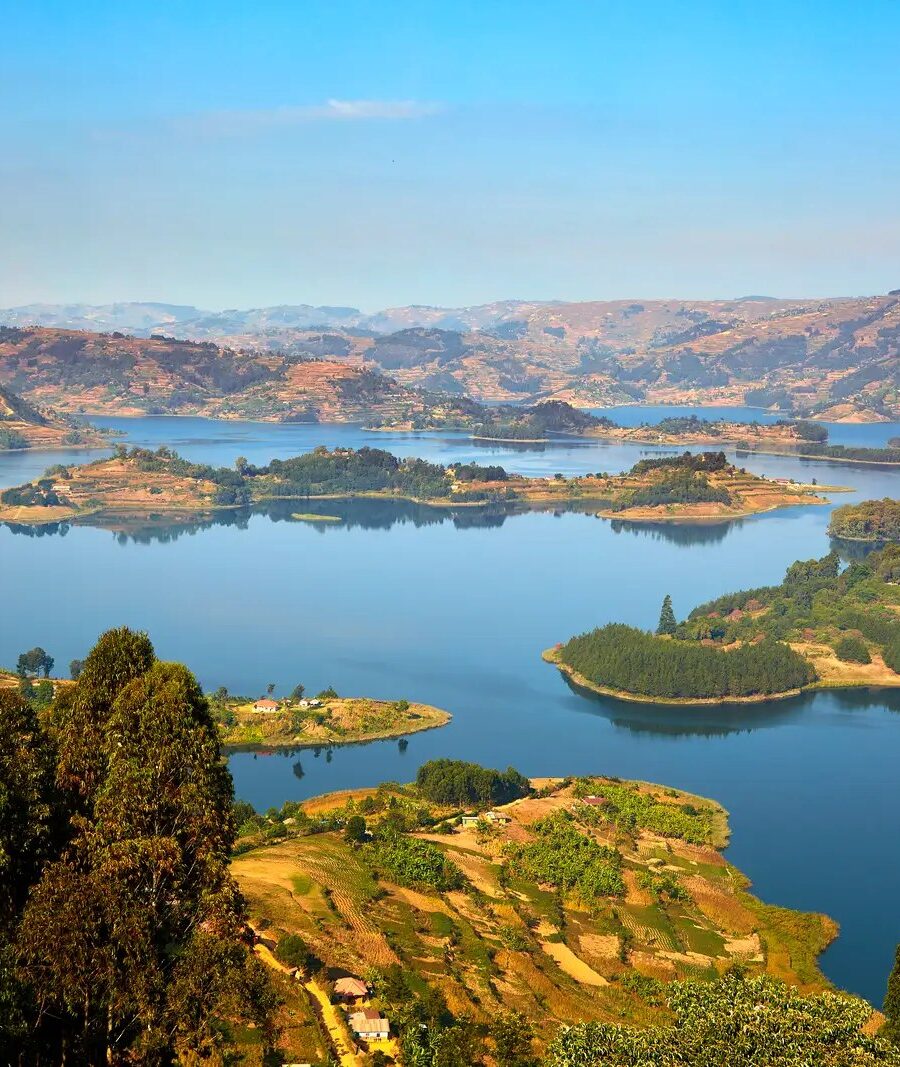
A highland lake at 1,973 metres, full of islands, for slow days on the water.
Paddle a dugout between the islands, or sit on a deck above the terraced hills.
Jinja and the source of the Nile
Raft the Nile's grade 5 rapids, or float it with children from age 4.
Take a boat through the Source of the Nile, or sleep on an island among the rapids.

Fort Portal and the Crater Lakes
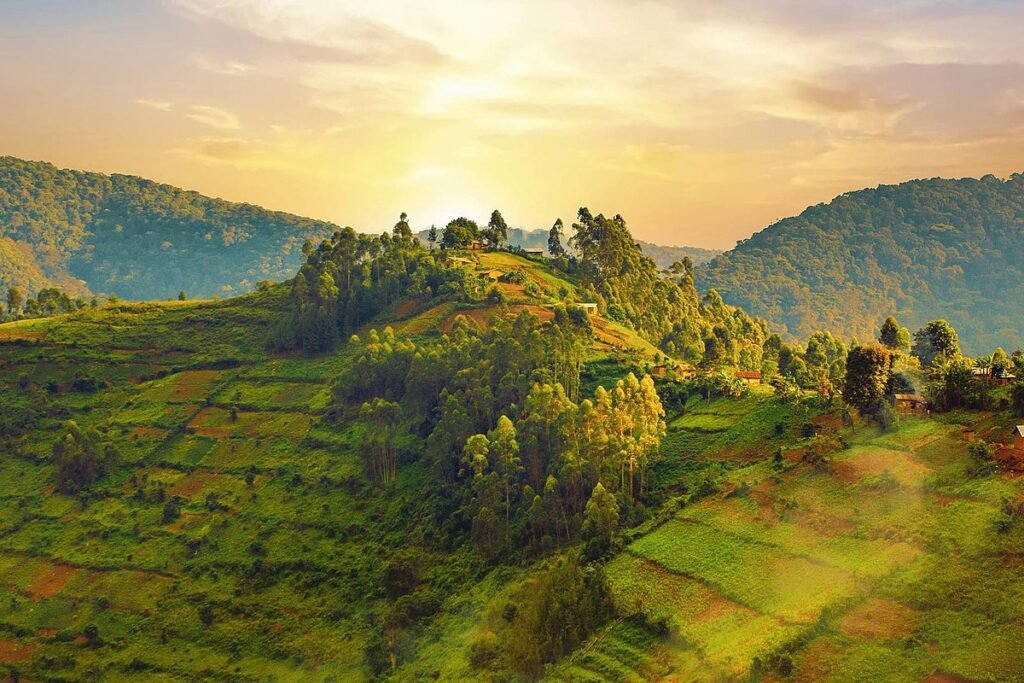
Dozens of volcanic crater lakes in the hills below the Rwenzori, with tea estates between them.
We walk the crater rims and the trails between the lakes, through tea and banana.

Semuliki and the Sempaya hot springs
Lowland forest on the border with the Congo, and the Sempaya hot springs.
