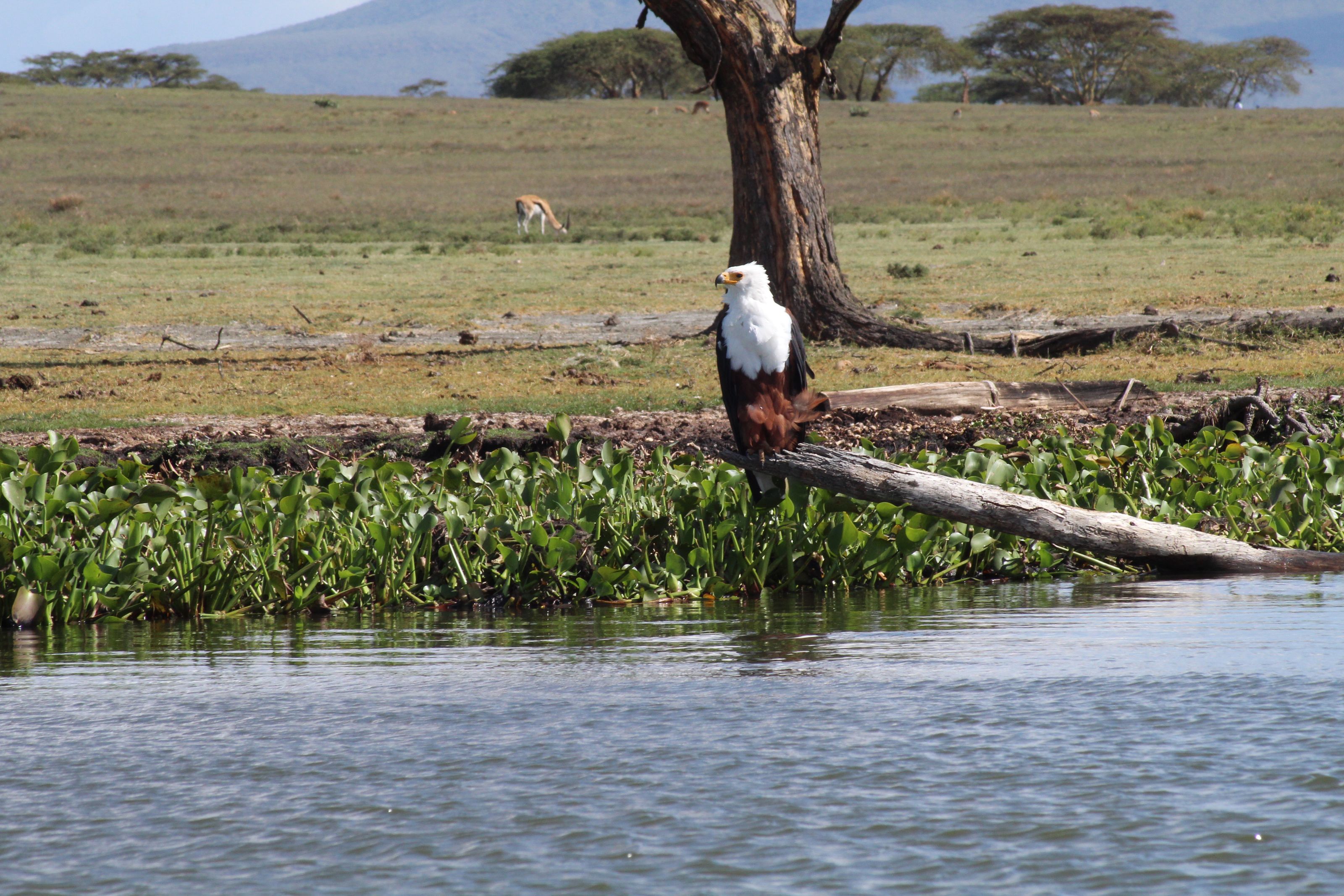
Where to see the shoebill and the Albertine Rift's forest birds
Birding Safaris in Uganda, Rwanda, Kenya and Tanzania
Private birding safaris with the vehicle and the guide to yourselves, planned around the birds you most want to see.
Birding routes in Uganda, Rwanda, Kenya and Tanzania, planned around your bird list
We plan private birding safaris in Uganda, Rwanda, Kenya and Tanzania. The vehicle and the guide are yours, so you stop for a bird and stay as long as it takes.
BirdLife International counts 1,002 bird species in Uganda, 239 of them migratory. A birding route is set as much by where each bird lives as by the month: swamps for the shoebill, the mountain forests of the Albertine Rift for the birds found nowhere else, and open grassland for the secretarybird.
We plan the route around your list. Tell us which birds matter most, and we choose the parks, the walks and the boat trips that give you a good chance of them.
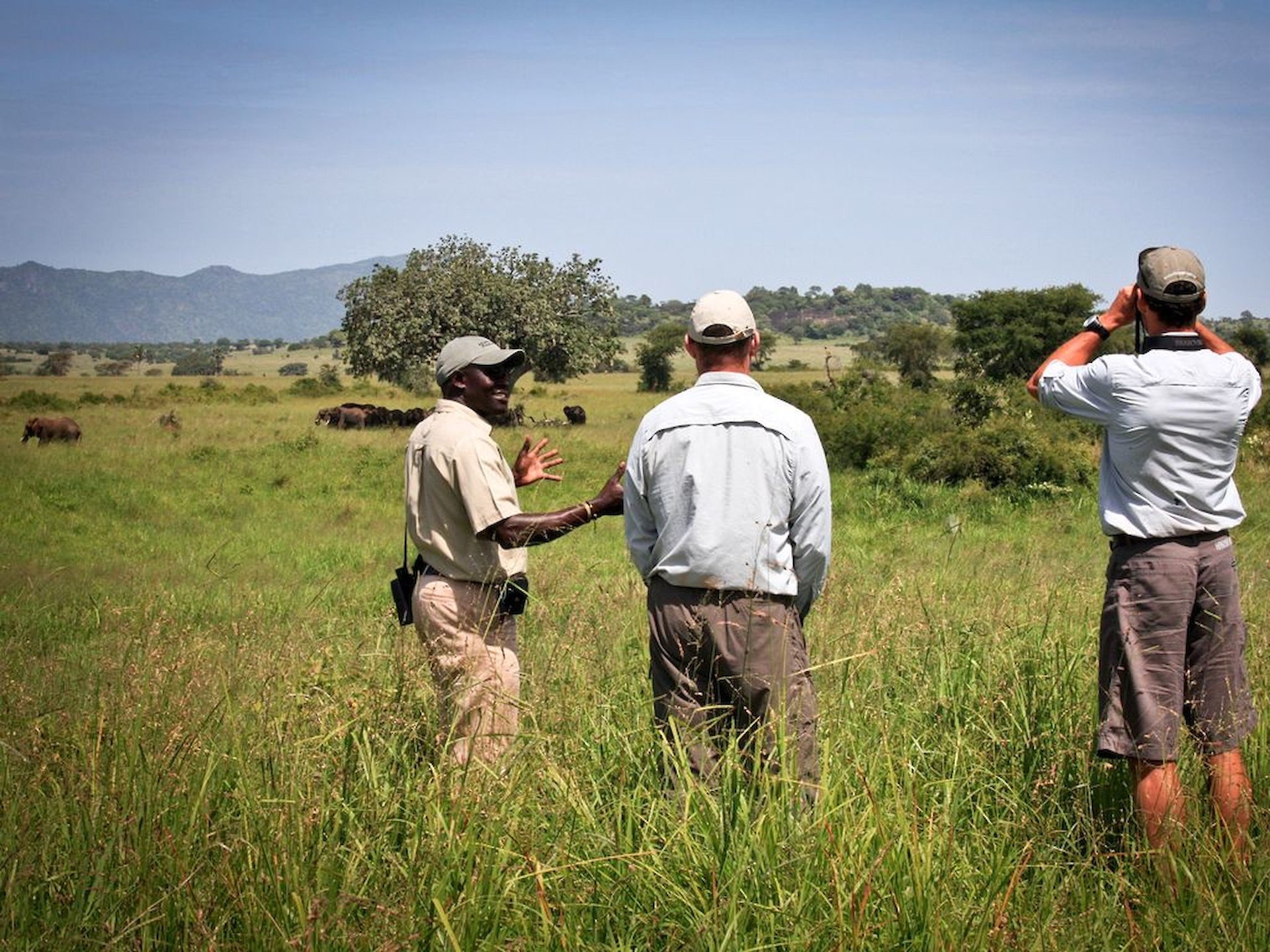
- 1,002 bird species in UgandaBirdLife International's count. It counts 1,059 in Kenya, 1,076 in Tanzania and 638 in Rwanda
- 34 Important Bird Areas in UgandaBirdLife's sites for birds, from Mabamba Bay on Lake Victoria to Kidepo Valley
- The shoebill is VulnerableBirdLife estimates 3,300 to 5,300 mature shoebills in the world
- 16 places in the planner belowEach one named for a bird by BirdLife, the Ramsar Convention or the park's own authority
Where to see a shoebill in Uganda and Rwanda
BirdLife estimates 100 to 150 shoebills in Uganda, possibly over 200, and fewer than 50 in Rwanda. It lives in swamps, often among papyrus, and BirdLife calls it mostly sedentary, so you look for it where it lives.
- Mabamba Bay, near KampalaThe Ramsar Convention calls it “the only swamp close to Kampala where one can easily find” the shoebill. Local bird guides and boats take you inRamsar Convention; NatureUganda
- By boat at SemulikiThe Uganda Wildlife Authority's tariff lists a shoebill trip by boatUganda Wildlife Authority
- The delta at Murchison FallsWhere the Uganda Wildlife Authority says the shoebill is “commonly spotted”Uganda Wildlife Authority
- A shoebill trek at ZiwaThe Uganda Wildlife Authority lists a shoebill trek and canoe ride at the rhino sanctuaryUganda Wildlife Authority
- Akagera, RwandaVisit Rwanda says the shoebill is seen there “fairly regularly”Visit Rwanda; BirdLife International

A shoebill among the reeds.
- The shoebill: Vulnerable, and decreasingBirdLife's category for the shoebill, last assessed in 2018BirdLife International
- Shoebills eat lungfish and catfishTheir main prey in Uganda, BirdLife saysBirdLife International
Crowned cranes, secretarybirds and saddle-billed storks in Uganda
Some of the birds people travel for are big enough to watch from the vehicle, out on the grassland or along the shore.
- Grey crowned craneUganda's national bird is the crested crane, which the government describes as a subspecies of it. BirdLife lists the grey crowned crane as EndangeredUganda Ministry of Foreign Affairs; BirdLife International
- Secretarybird“Often seen striding across the open plains” at Kidepo Valley, the Uganda Wildlife Authority says. Endangered, BirdLife saysUganda Wildlife Authority; BirdLife International
- Saddle-billed storkAmong the water birds the Uganda Wildlife Authority lists at Queen Elizabeth, with pink-backed pelicansUganda Wildlife Authority
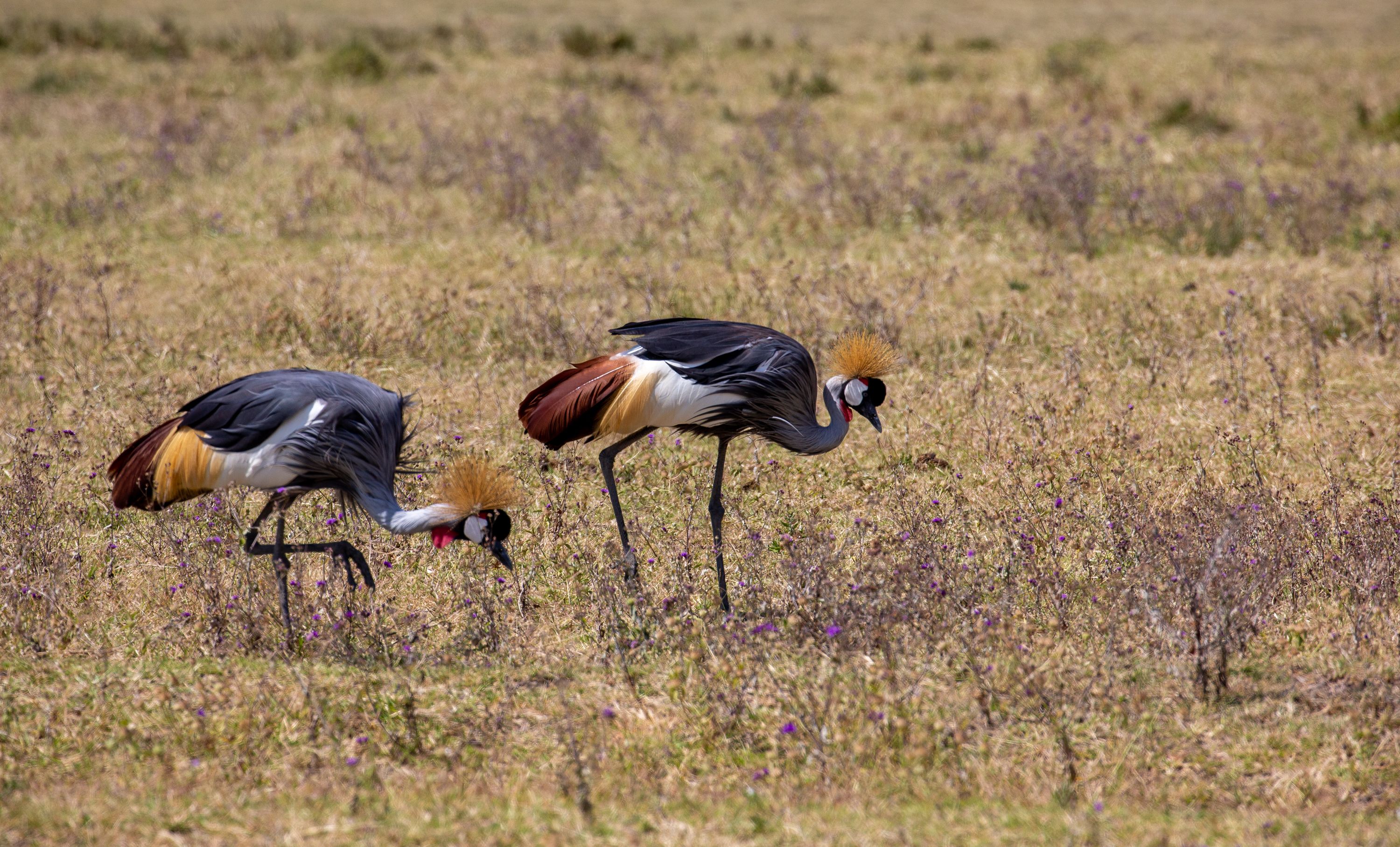
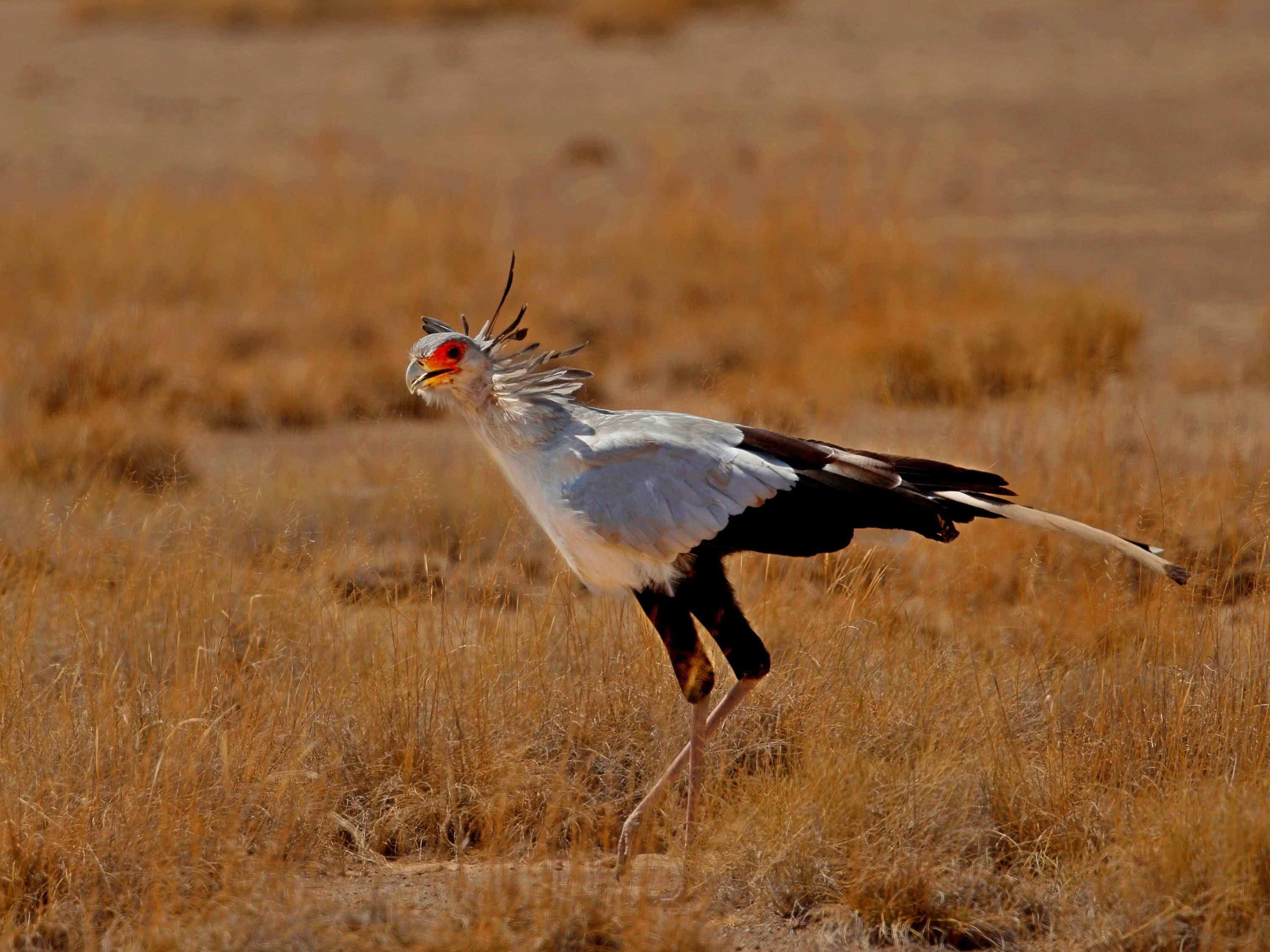
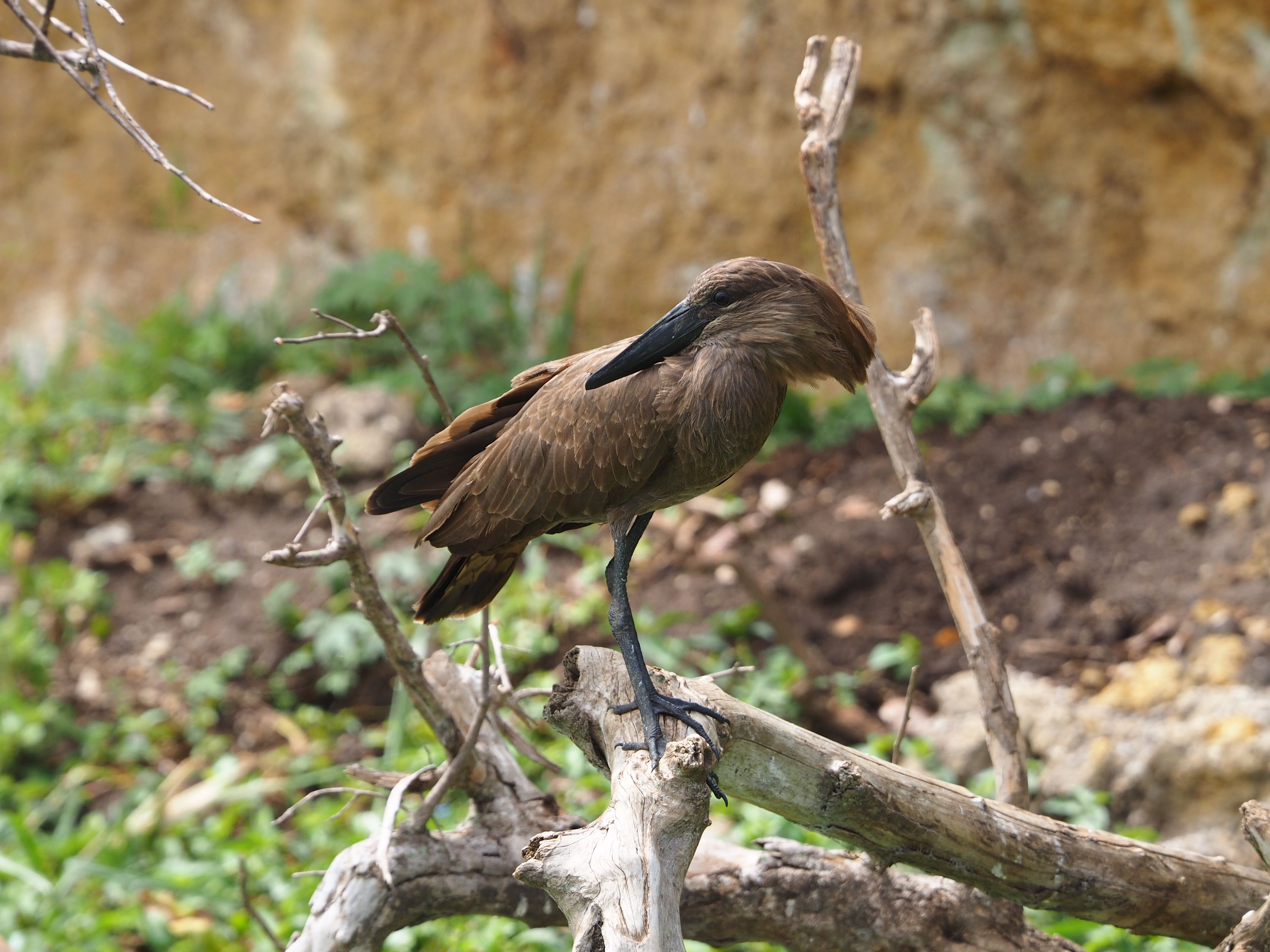
Grey crowned cranes; a secretarybird; a hamerkop, a bird of the water's edge.
Bird species in 12 parks in Uganda, Rwanda, Kenya and Tanzania, as each park counts them
Each figure is the one the park's authority publishes. They were counted in different years and in different ways, so they do not rank the parks against each other.
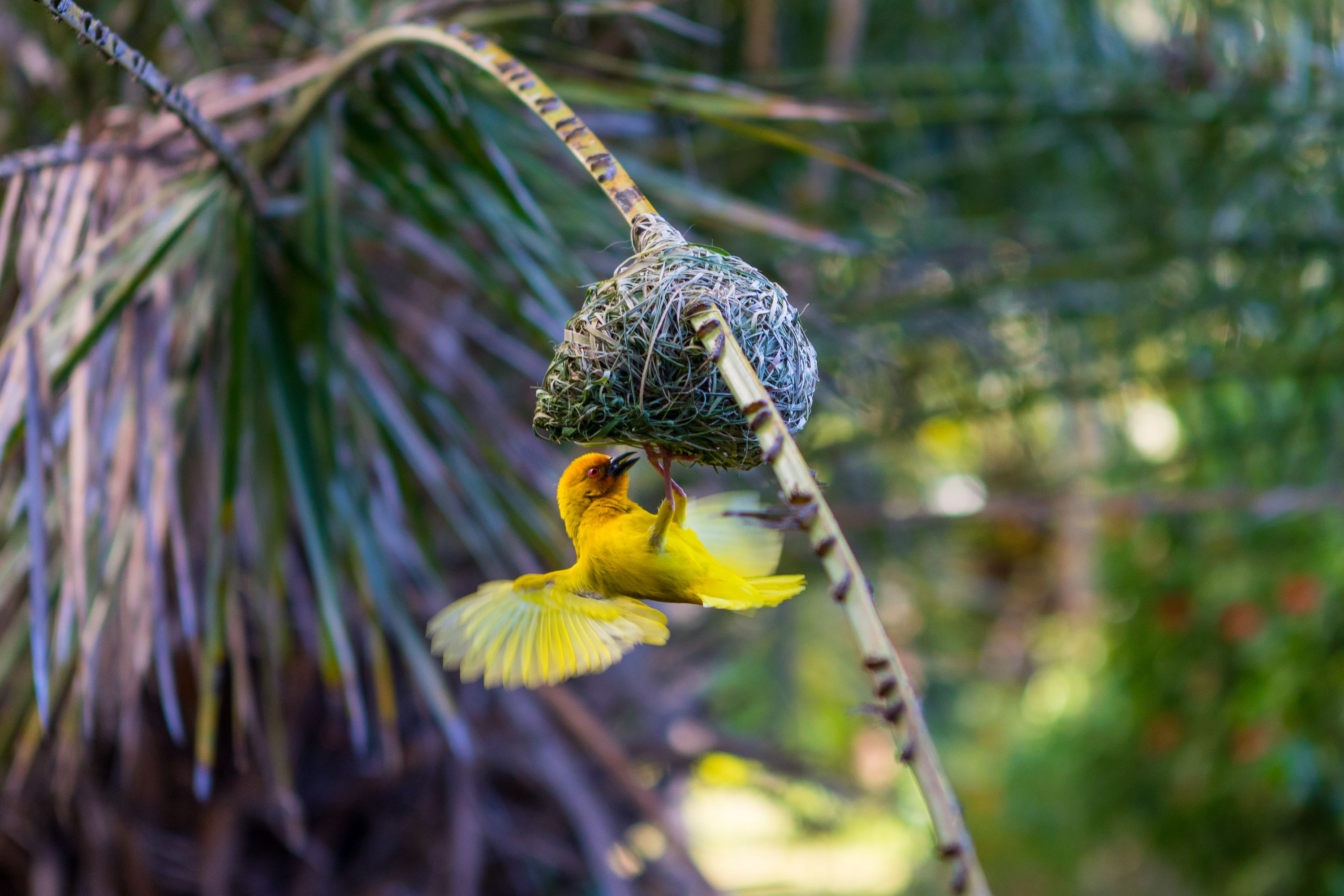
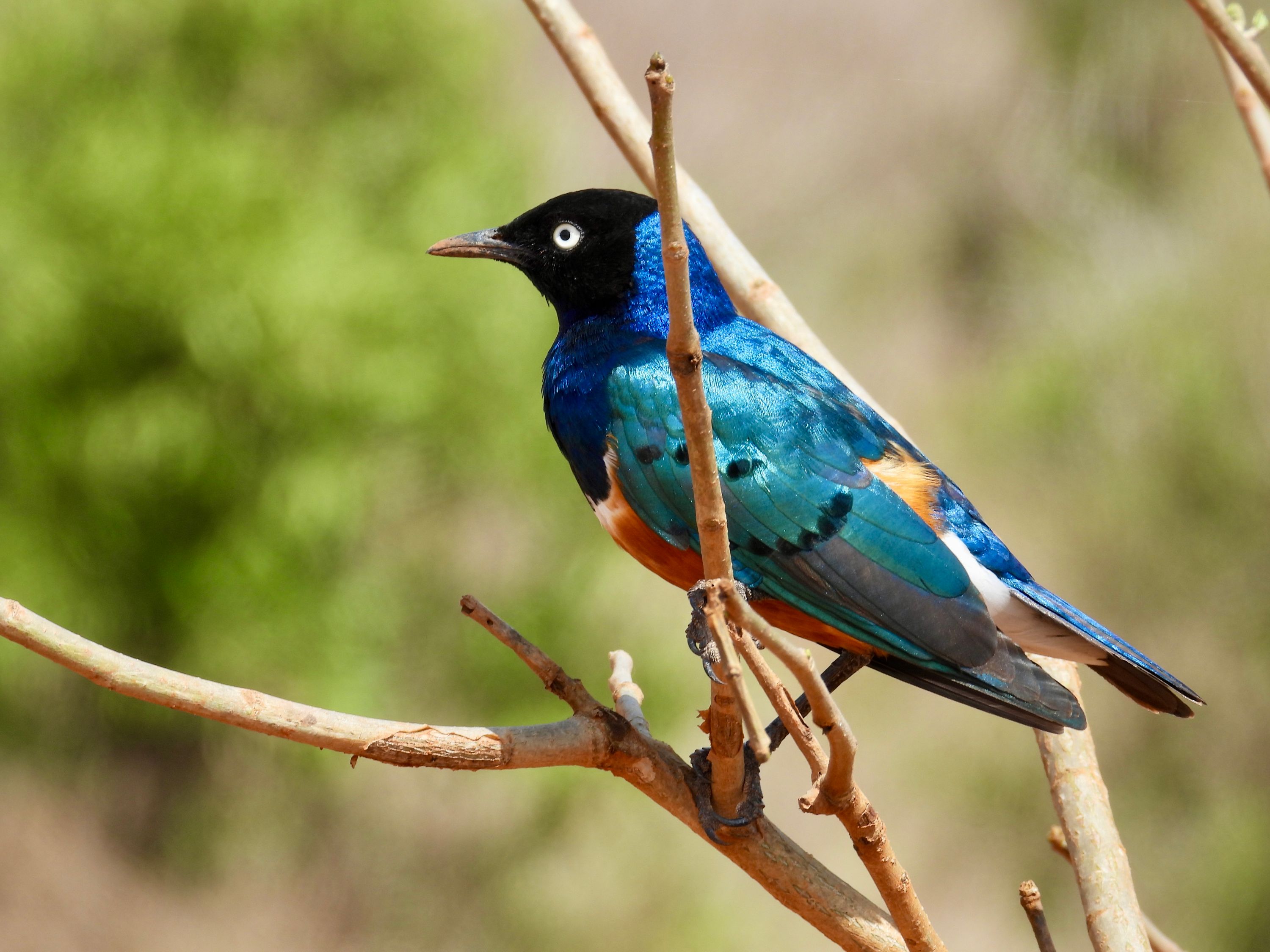
A golden weaver at its nest; a superb starling.
- BwindiUganda350+bird speciesUganda Wildlife Authority
- KibaleUgandaAbout 370bird speciesUganda Wildlife Authority
- Kidepo ValleyUganda476bird speciesUganda Wildlife Authority
- Lake MburoUganda315+bird speciesUganda Wildlife Authority
- Murchison FallsUganda556bird speciesUganda Wildlife Authority
- Queen ElizabethUganda600+bird speciesUganda Wildlife Authority
- SemulikiUganda435+bird speciesUganda Wildlife Authority
- AkageraRwanda490bird speciesVisit Rwanda
- NyungweRwanda322bird speciesVisit Rwanda
- Lake NakuruKenyaAbout 450bird speciesKenya Wildlife Service
- SerengetiTanzania500+bird speciesTanzania National Parks
- TarangireTanzania550+bird speciesTanzania National Parks
A birding day: gate hours, guided walks and boats
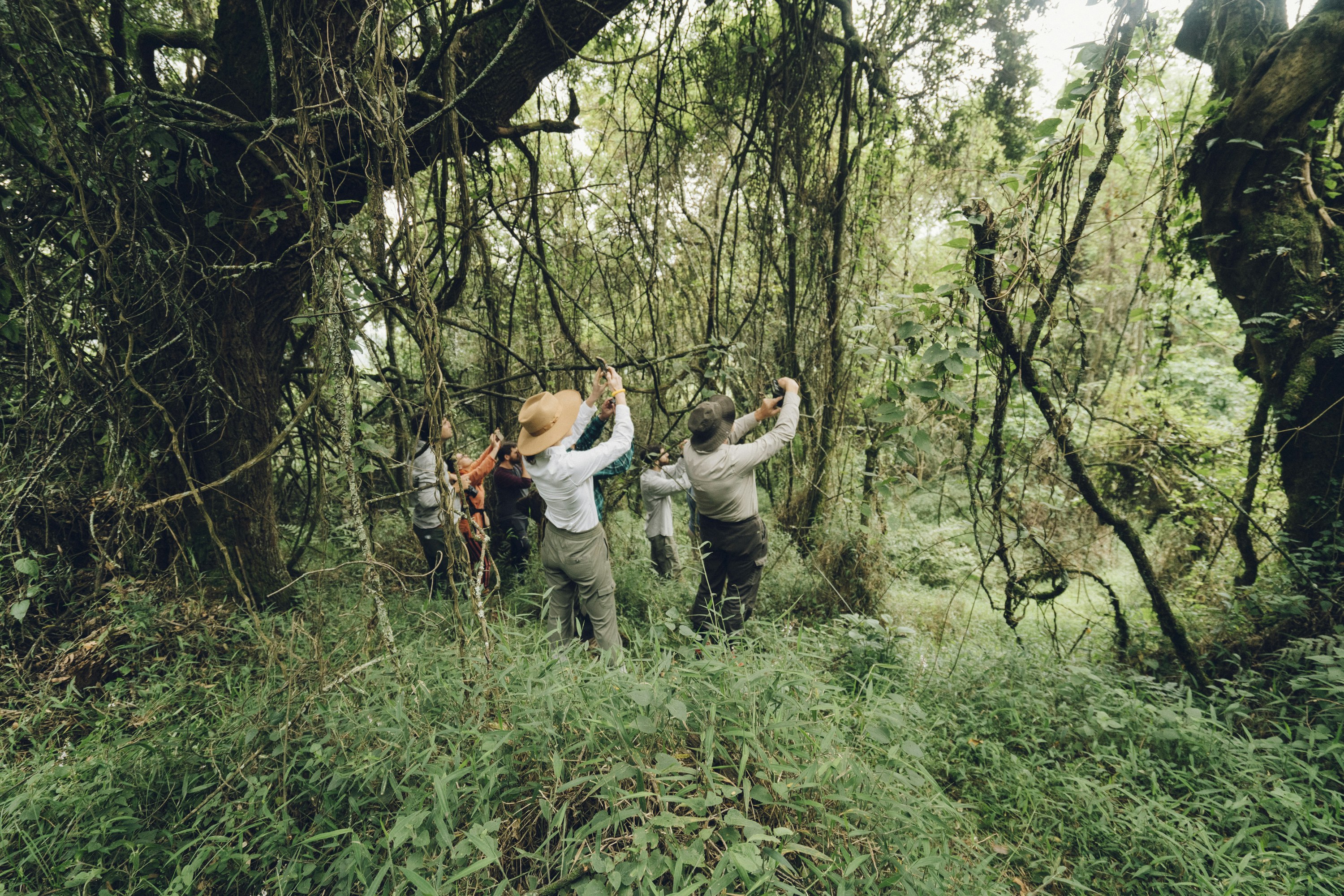
Forest birds are found on foot, with a guide; water birds from a boat; the plains from the vehicle. Gate hours differ from one authority to the next.
- Uganda's park gates: 07:00 to 19:00One time for every Uganda Wildlife Authority parkUganda Wildlife Authority
- Guided birding walksSold per person by the Uganda Wildlife Authority, in the forest parks and the savanna parks alikeUganda Wildlife Authority
- Boat trips on the Kazinga Channel and the Nile: about 2 hoursThe Uganda Wildlife Authority's launches in Queen Elizabeth, where it lists pink-backed pelicans and saddle-billed storks, and at Murchison FallsUganda Wildlife Authority
- Akagera's boats: 07:30, 09:00, 15:00 and 16:30On Lake Ihema, and private trips at other timesAkagera National Park
- Lake Nakuru and Kakamega open 06:00 to 18:00Unless you are spending the night insideKenya Wildlife Service
- Stay on the track, and no hornsUganda fines drivers who leave the track or sound their horn in a parkUganda Wildlife Authority
When to go: the rains, migrant birds and where the flamingos are
What changes with the month is the rain on the trails, the migrant birds passing through, and where the flamingos are.

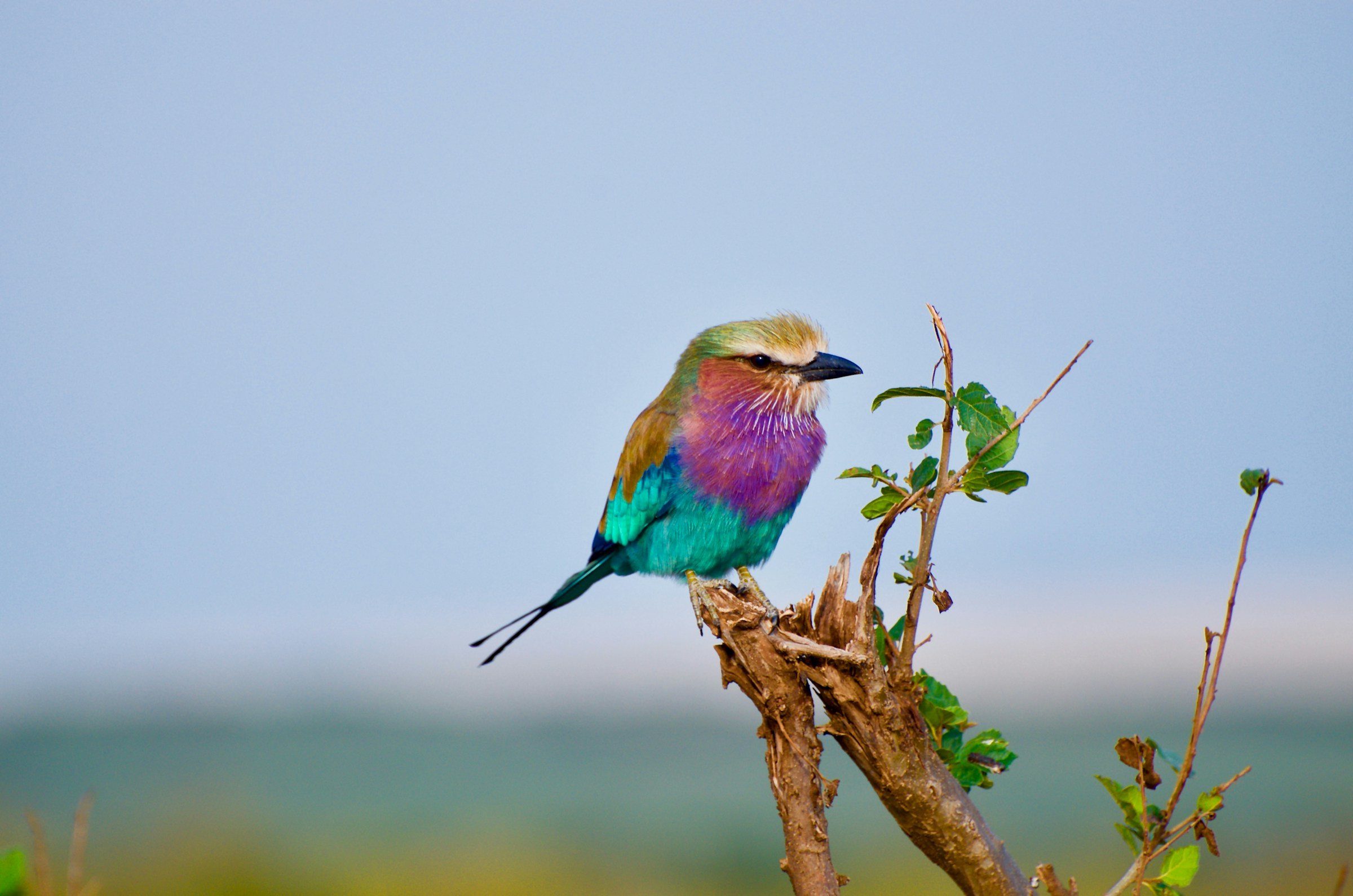
Flamingos in Ngorongoro Crater; a lilac-breasted roller in the Maasai Mara.
Rainy seasons in Rwanda, Kenya and Uganda
- Rwanda: two rainy seasonsAround March to May and around October to December, Meteo Rwanda saysMeteo Rwanda
- Kenya's rains: March to May, and October to DecemberThe main rains, then a second major season, the Kenya Meteorological Department saysKenya Meteorological Department
- Bwindi: open to visit any time of yearThe Uganda Wildlife Authority says so, with up to 2,390 mm of rain a yearUganda Wildlife Authority
Birds that come and go
- Migrant birds from Europe and AsiaThey pass through eastern Kenya “especially in November/December”, BirdLife says of Tsavo WestBirdLife International
- Flamingos move between the lakesLake Nakuru held 1,347,063 in January 2006 and about 500 in January 2025, the Kenya Wildlife Service counted; numbers “can change dramatically within weeks”Kenya Wildlife Service
- The shoebill stays putBirdLife calls it mostly sedentary: it lays at the end of the rains, as the water starts to fallBirdLife International
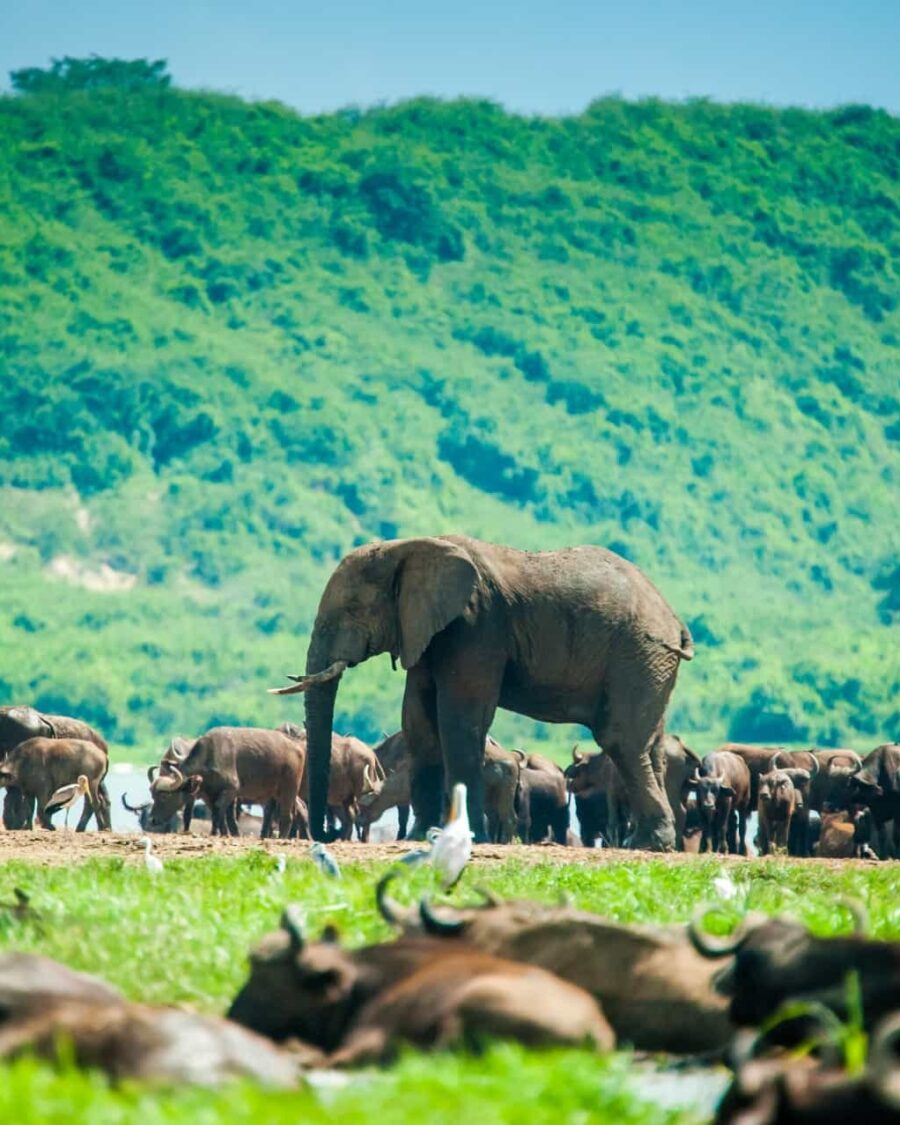 Typically 10 to 14 daysUgandaBest of Ugandafrom USD 3,950per personSee the itinerary
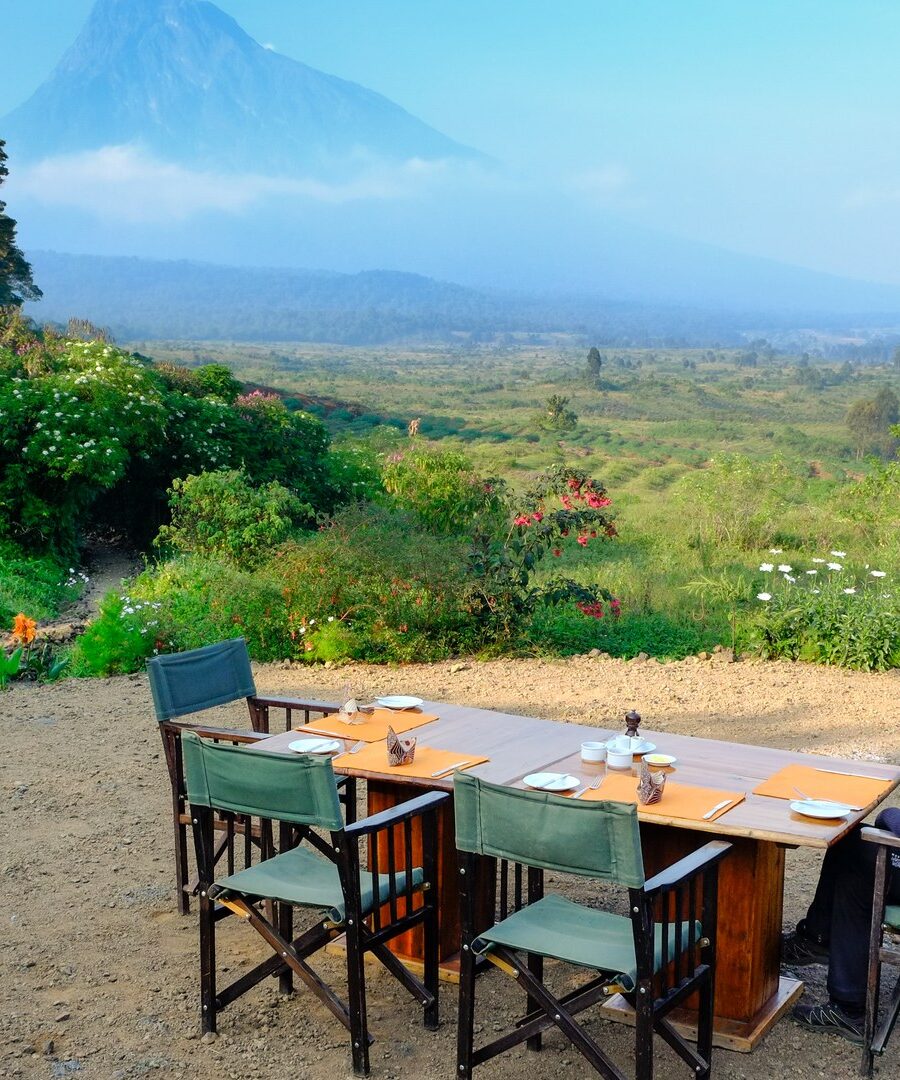 Typically 3 to 5 daysRwandaRwanda Gorilla Trekkingfrom USD 3,900per personSee the itinerary
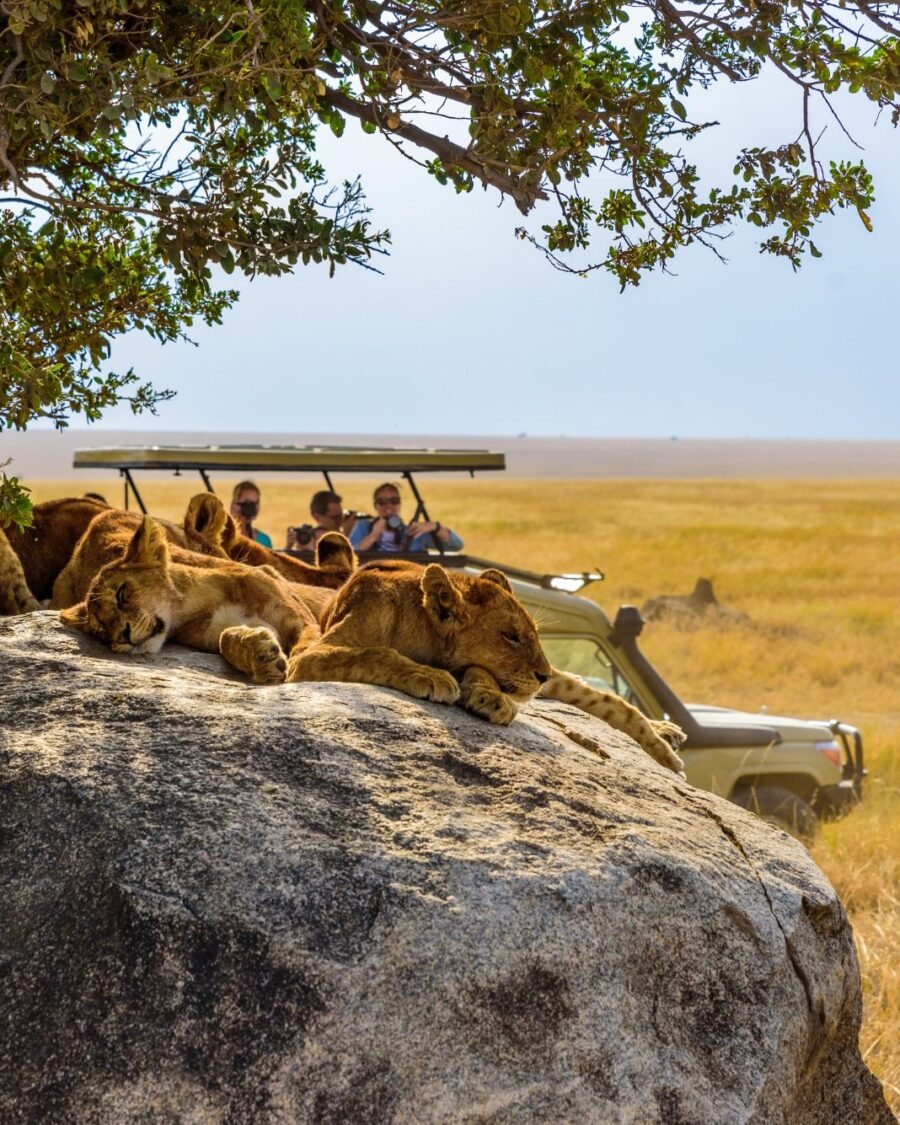 Typically 6 to 9 daysTanzaniaBest of Tanzaniafrom USD 3,250per personSee the itinerary
Longer, shorter, a different month, two countries in one run. Say what you have in mind and a first route and a real price come back within one working day.
Start with a date