How much does a gorilla trekking safari cost?
The permit alone is USD 800 per person in Uganda, or USD 600 in April, May and November, and USD 1,500 in Rwanda, with 30% off from November to May if you also stay two nights in Akagera or Nyungwe.
Those are the Uganda Wildlife Authority's and the Rwanda Development Board's rates, read on 28 October 2026. Our gorilla safaris include the permit, full board, a private vehicle and driver-guide, and park fees. Each safari's page shows its current price per person, and we price your own route when you send your dates.
How many days do I need for gorilla trekking?
Three days is the shortest version: a day to reach the park, the trek, and a day back. Kinigi, where treks in Rwanda start, is about 115 km by road from Kigali airport, which is why Rwanda suits a short trip.
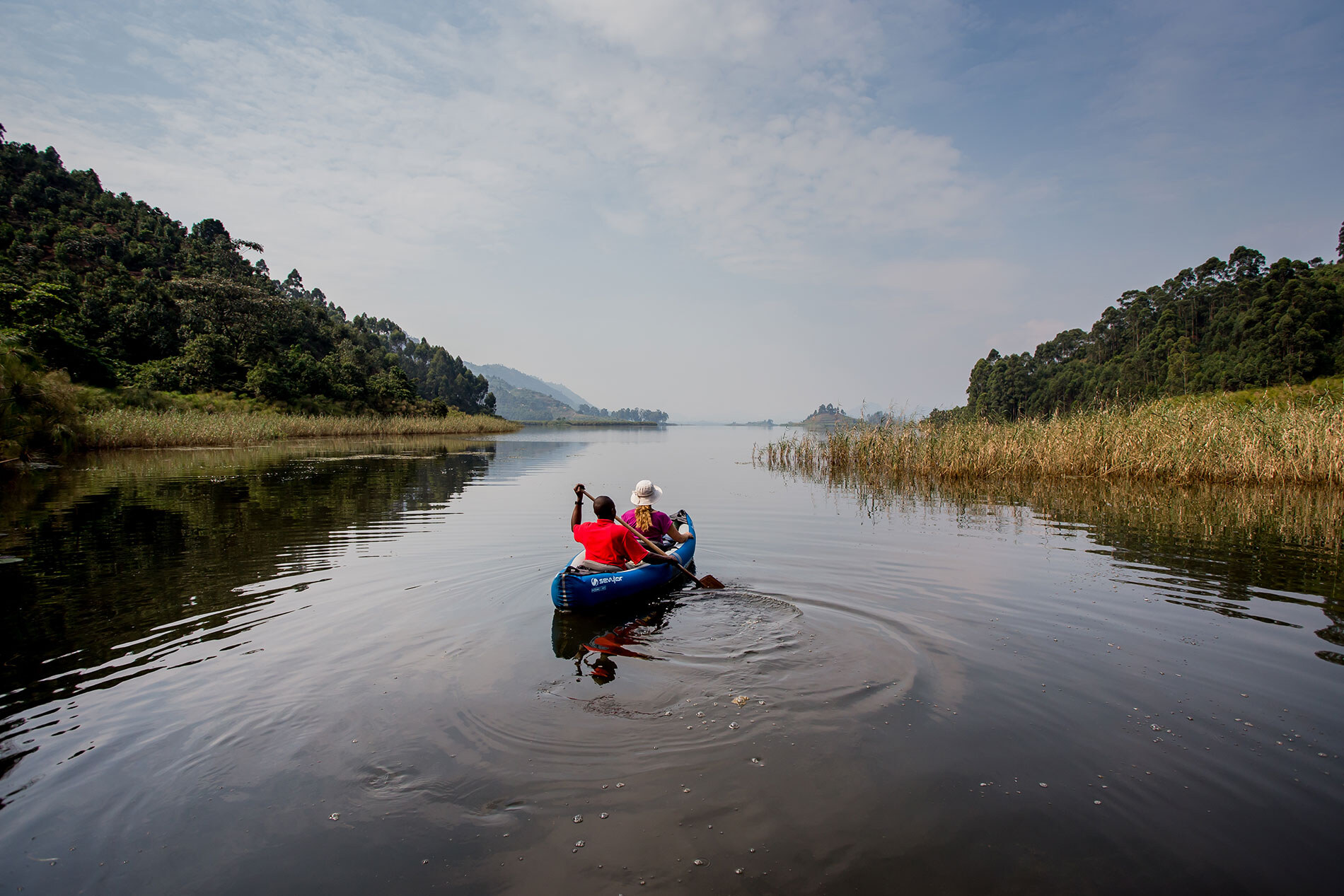
Bwindi takes longer to reach, and our Uganda gorilla safaris typically run three to five days, seven to ten with three nights on Lake Bunyonyi, or ten to fourteen with chimpanzees and the savanna parks.
Is a gorilla sighting certain?
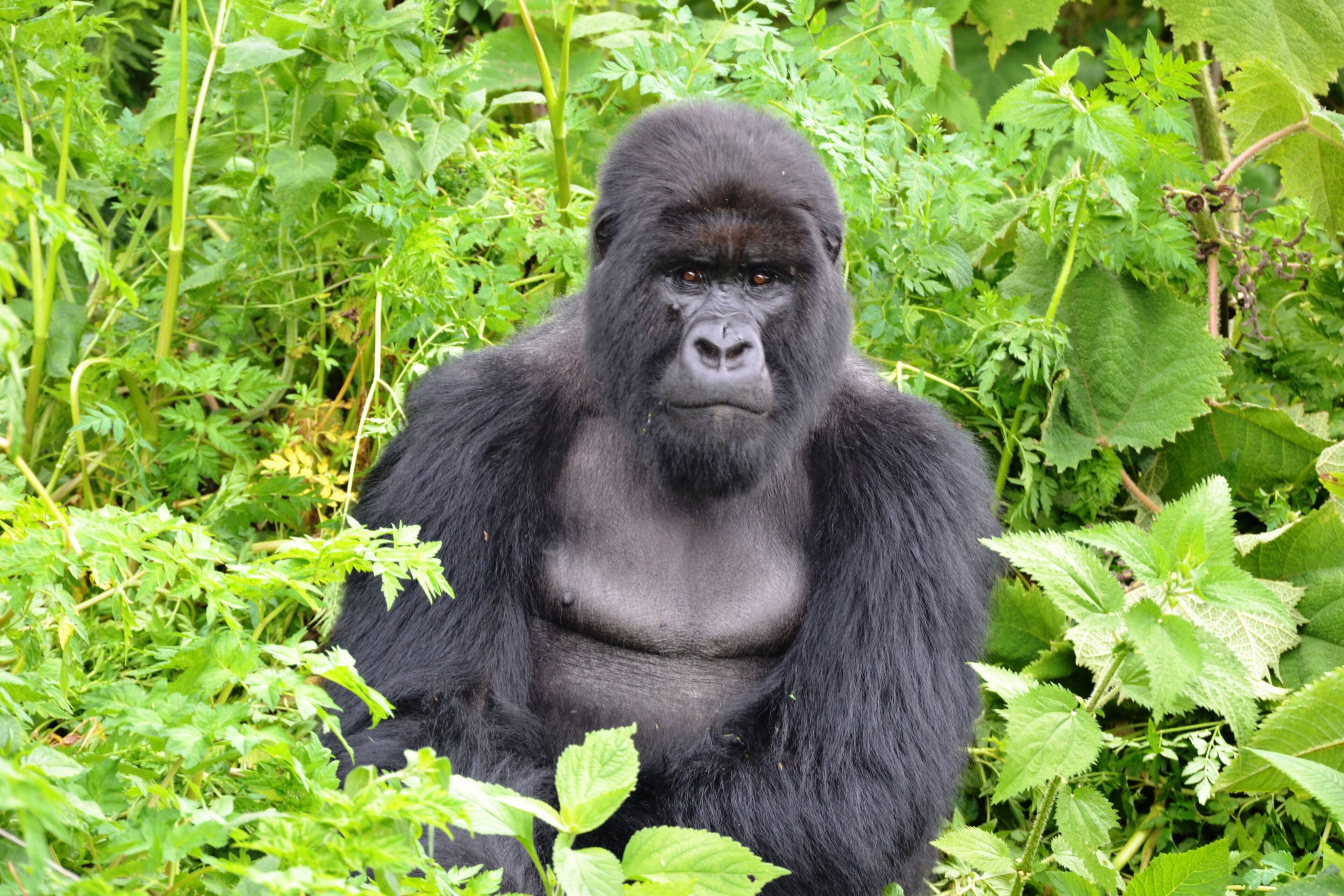
No one can promise a wild animal. In Uganda, if you track for a whole day without finding the gorillas, the Uganda Wildlife Authority may move your permit to the next day, or refund 60% of it.
In Rwanda, if the family moves so far that a whole day's tracking cannot reach it, the Rwanda Development Board offers another chance or a full refund; if a whole day's tracking fails to find a family for any other reason, it refunds 75%.
How fit do I need to be for gorilla trekking?
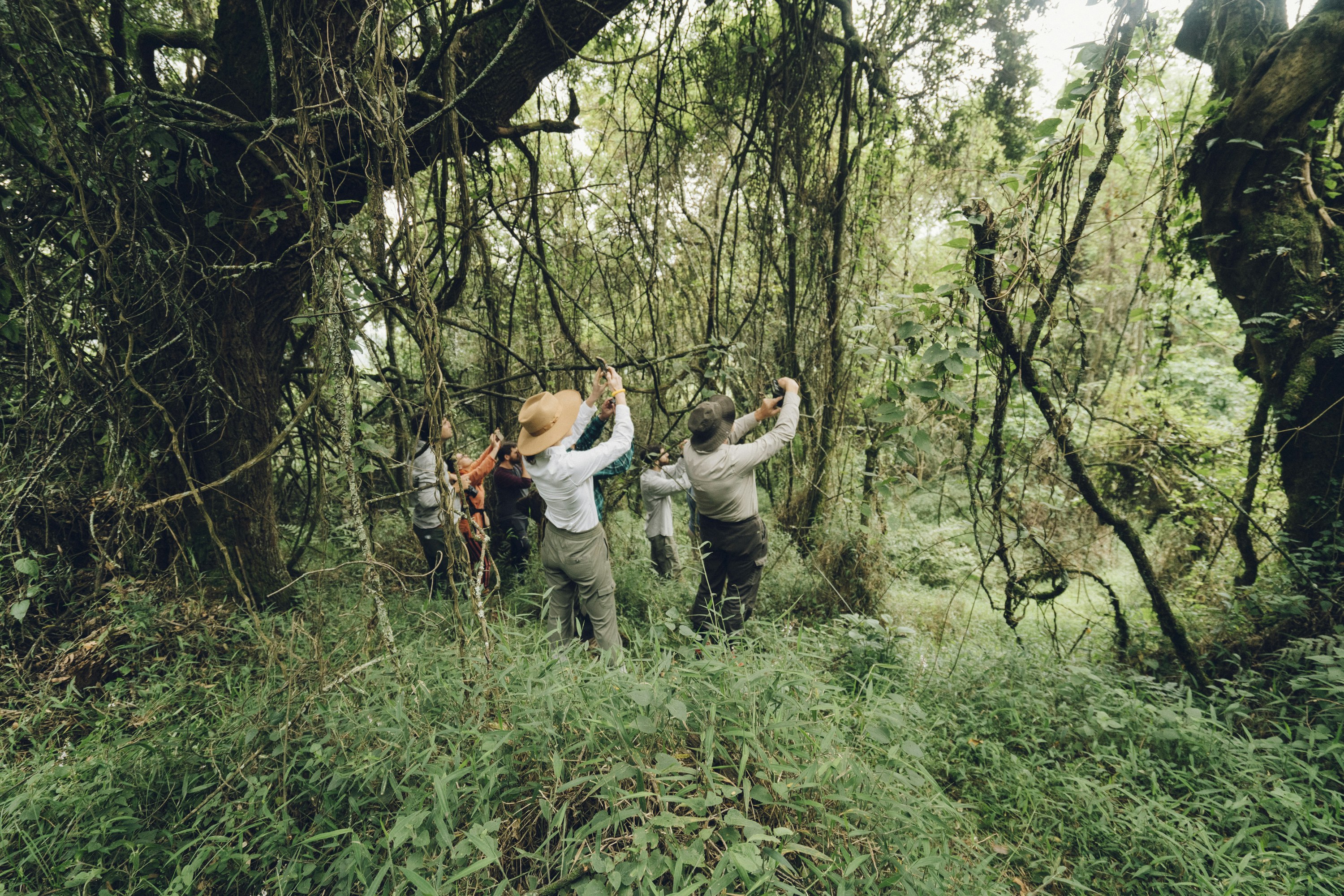
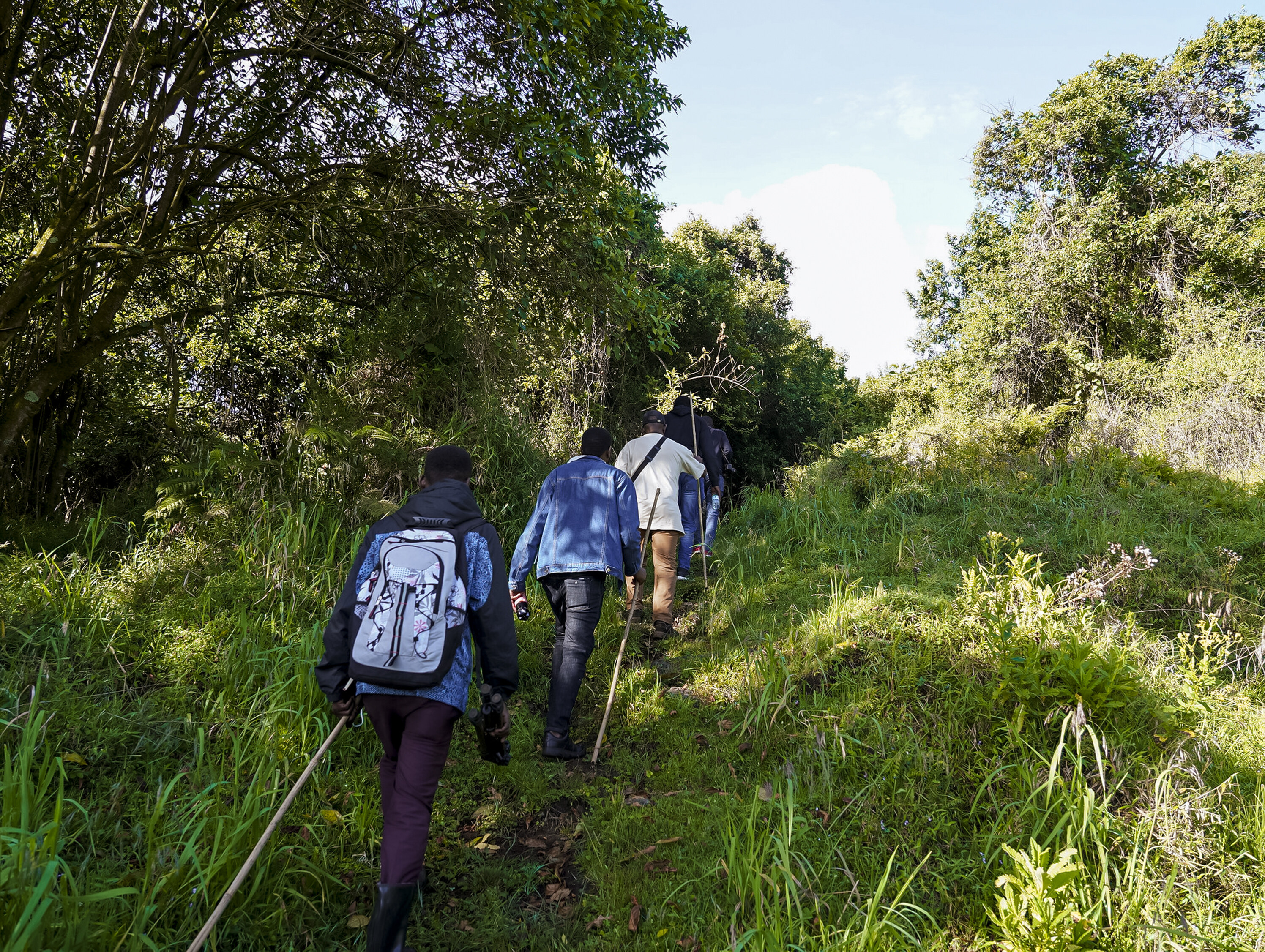
Fit enough to walk for several hours on steep, wet ground. The Uganda Wildlife Authority asks for moderate fitness and says a trek may last 2 to 7 hours. In Rwanda hikes take 30 minutes to four hours or more, between 2,500 and 4,000 metres, and the way back can take as long.
Walk slowly and drink plenty of water, the Rwanda Development Board advises, and in Rwanda a porter will carry your daypack for a small charge.
Can children go gorilla trekking?
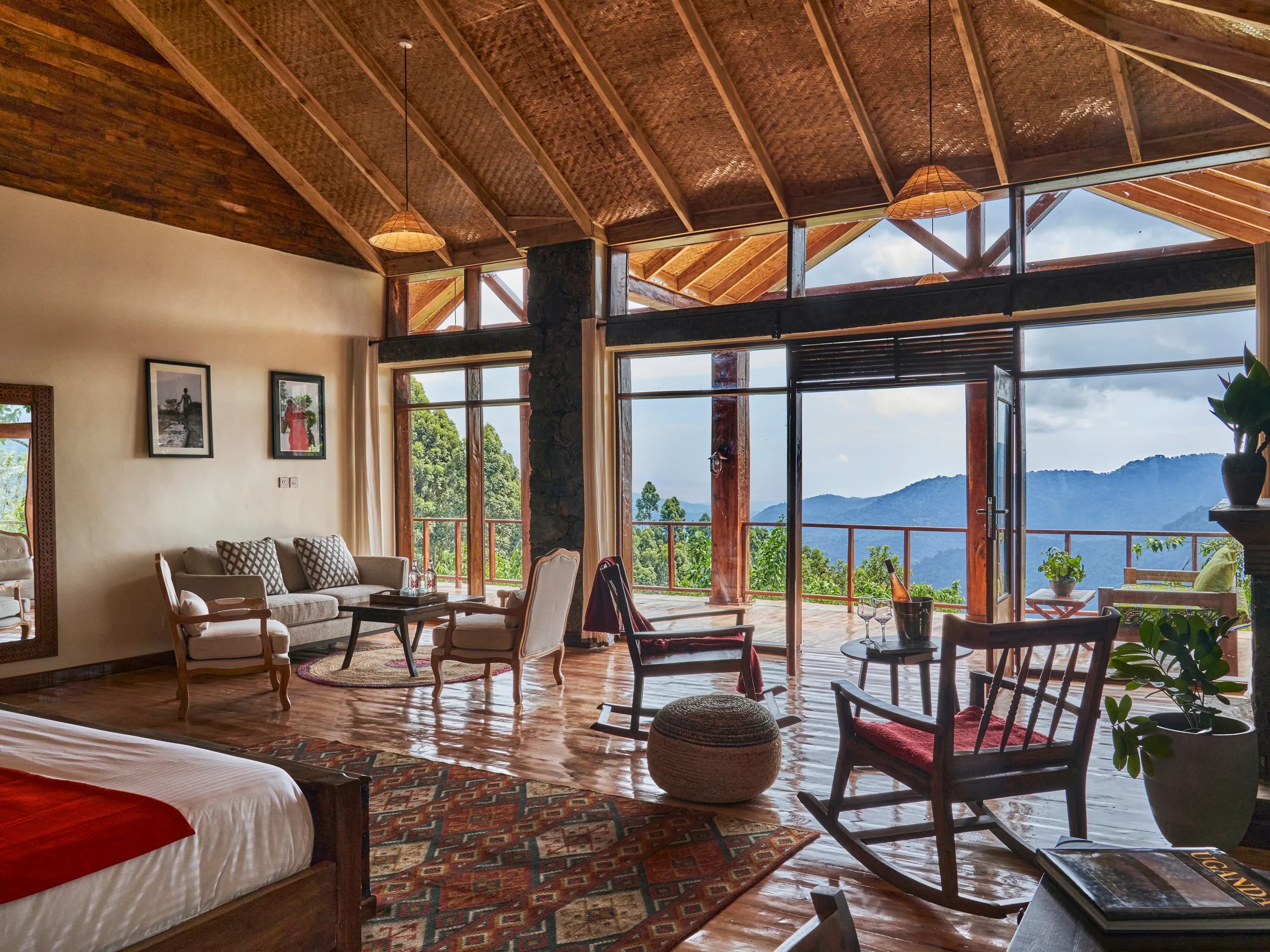
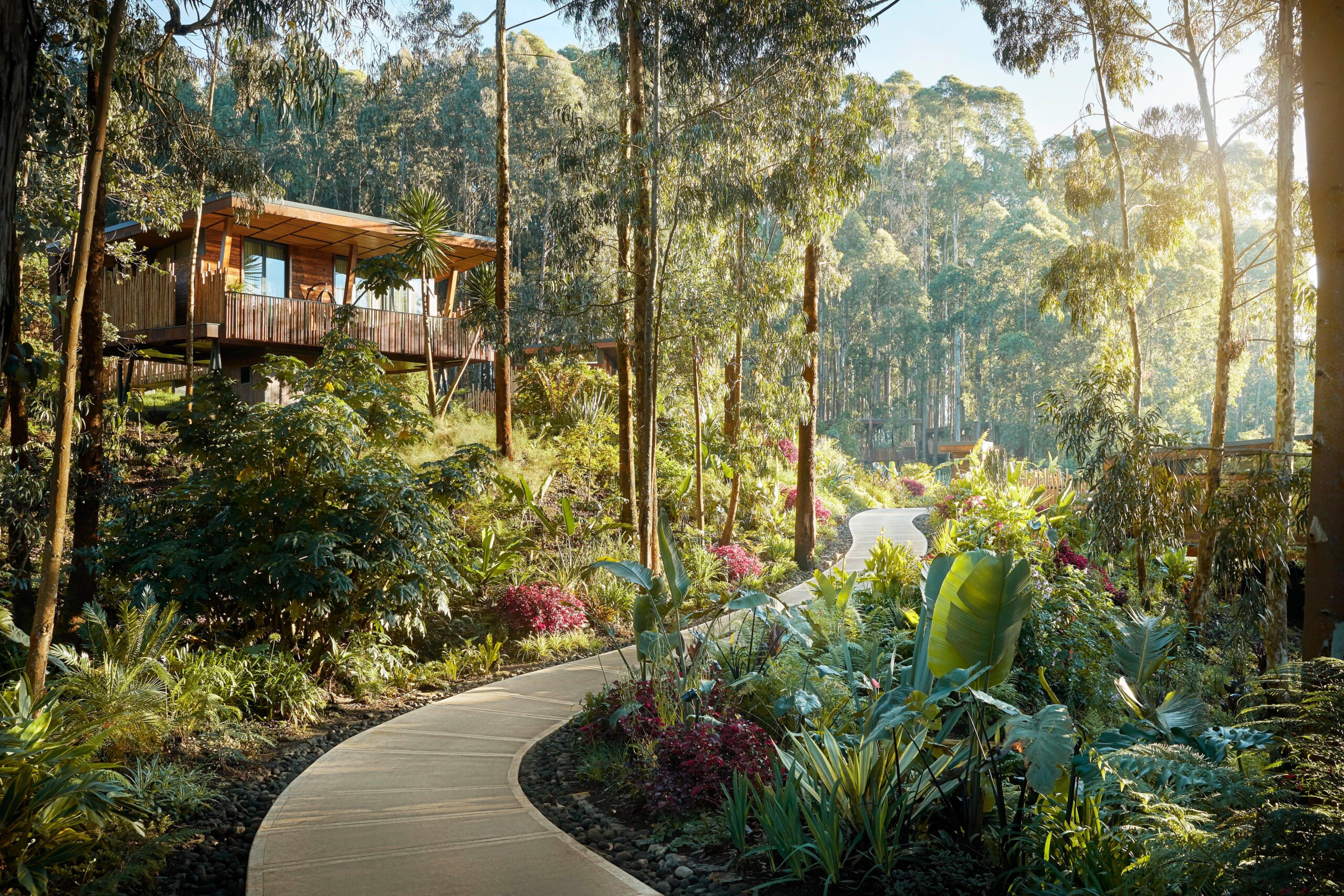
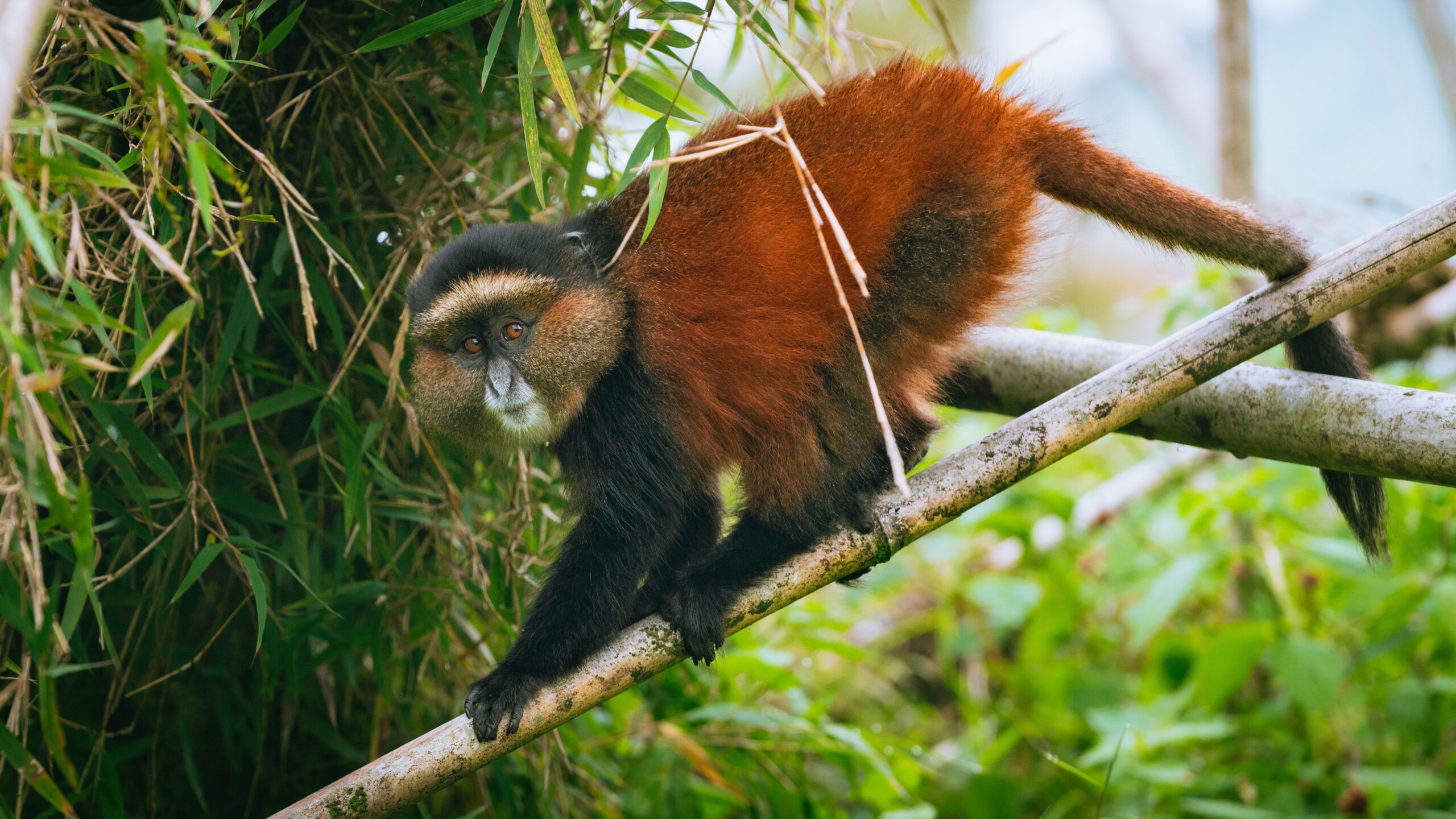
Not under 15: that is the minimum age in Uganda and in Rwanda. Younger children can come on the safari and stay at the lodge while the adults trek. Singita Kwitonda has childminders, Clouds Mountain Gorilla Lodge arranges children's activities, and in Rwanda children from 12 can track golden monkeys.
What should I wear for a gorilla trek?
Long trousers and a long-sleeved shirt against nettles, walking shoes or boots, and a light waterproof. The Rwanda Development Board and Visit Rwanda also suggest gaiters, gloves, a water bottle and a small snack.
Bwindi can be cold, especially in the morning and at night, and the Uganda Wildlife Authority gives a yearly average of 7 to 20°C, so bring a warm layer.
Do I book the gorilla permit myself?
We book it for you, in your name, once you confirm the trip. In Uganda, permits for foreign visitors who do not live there are sold only through licensed tour operators, and since 1 March 2026 a permit is held only once it is paid in full.
In Rwanda, permits can also be booked on the Irembo platform, Visit Rwanda says.
When should I book a gorilla permit?
As soon as your dates are fixed. Uganda sells permits up to a year ahead, and each family takes no more than eight visitors a day; Visit Rwanda says Rwanda has 96 permits a day. Book the permit before flights or lodges, because everything else is planned around its date.
What is the gorilla habituation experience?
Up to four hours with a gorilla family that is still getting used to people, alongside the researchers and habituators who are working with it, instead of one hour.
It starts at 6:30. The Uganda Wildlife Authority sells it in Bwindi for USD 1,500 a person, rising to USD 1,800 on 1 January 2027. Ask for it when you first enquire.
Should I go gorilla trekking in Uganda or Rwanda?
Uganda's permit costs less, and Bwindi and Mgahinga give you five trailheads to choose from. Rwanda's gorilla park is close to its international airport, so a trek fits into a short trip. Our guide, Uganda or Rwanda for gorilla trekking, compares the two in full.