Lion, leopard, elephant, buffalo and rhino
Big Five Safaris in Kenya, Tanzania, Rwanda and Uganda
Private safaris built around all five: one park in Tanzania, Kenya or Rwanda, or one route through Uganda.
Where to see lion, leopard, elephant, buffalo and rhino in East Africa
We plan private Big Five safaris in Kenya, Tanzania, Rwanda and Uganda. The Big Five are lion, leopard, elephant, buffalo and rhino.
The name comes from hunting: in South African Tourism's words, they were the animals considered most dangerous to hunt. Today people come to photograph them.
Rhino decides the route. These five parks are called Big Five parks by the authorities that run them: Ngorongoro Crater and the Serengeti in Tanzania, the Maasai Mara and Tsavo West in Kenya, and Akagera in Rwanda. In Uganda, no park lets visitors see all five, so a Uganda route adds Ziwa Rhino Sanctuary to Queen Elizabeth or Murchison Falls.

- All five in one parkNgorongoro, the Serengeti, the Maasai Mara, Tsavo West and Akagera, named as Big Five parks by the authorities that run them
- Uganda: all five on one routeLion, leopard, elephant and buffalo in Queen Elizabeth or Murchison Falls, and white rhinos on foot at Ziwa
- 20 to 25 metresThe closest you may go: 25 in the Maasai Mara and Ngorongoro, 20 in Kenya Wildlife Service parks
- Leopard is never promisedThe Uganda Wildlife Authority says leopards are nocturnal, so seeing one on a game drive is extremely rare
Lion, leopard, elephant, buffalo and rhino in East Africa: where each lives and how threatened it is
Each of the five with its IUCN Red List status, what the authorities say about numbers, and where to look. Open one to see it.
LionVulnerable
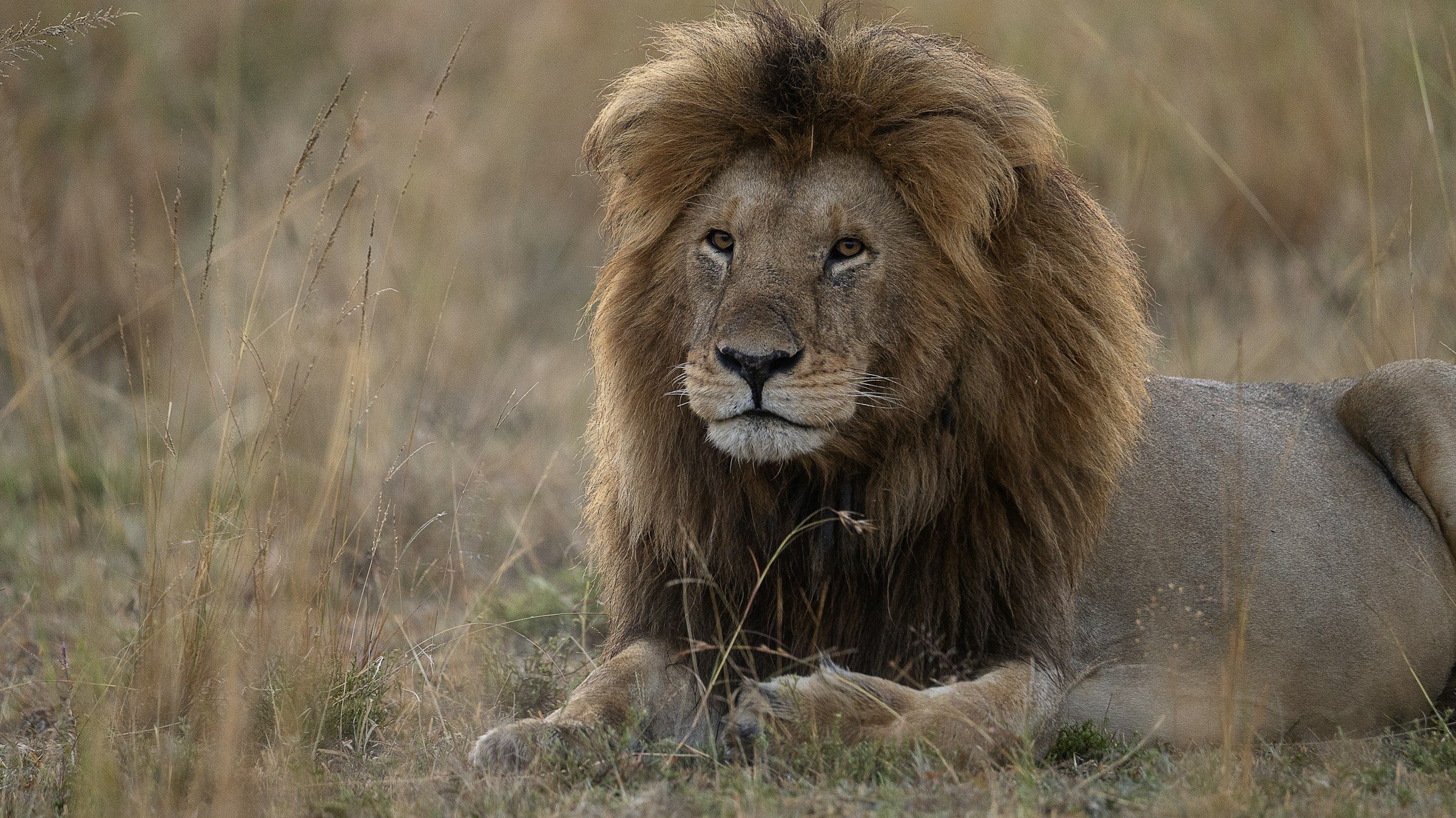
Vulnerable on the IUCN Red List (2025). Uganda counted about 291 lions in its 2022/2023 census, the Uganda Wildlife Authority reported in 2026, and lions now live only in Queen Elizabeth, Kidepo and Murchison Falls. Narok County estimated 270 lions in the Maasai Mara reserve in 2023.
Where to lookMaasai MaraSerengetiKasenyi, Queen Elizabeth
LeopardVulnerable
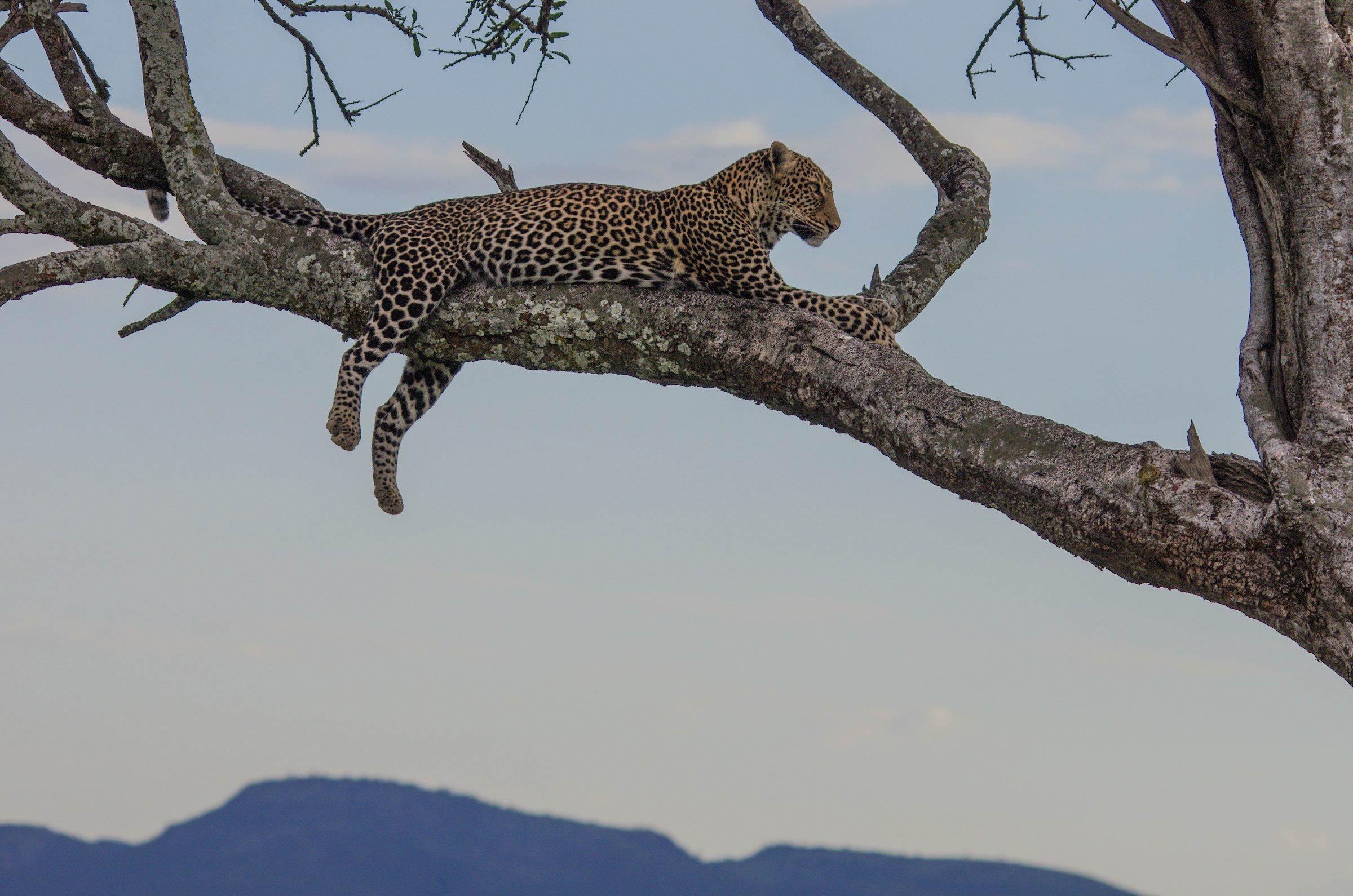
Vulnerable on the IUCN Red List (2022), and mostly nocturnal. A 2023 estimate cited in the Uganda Wildlife Authority's 2026 report puts Uganda's leopards at about 328. Tanzania National Parks says leopards are frequently seen in Tarangire.
Where to lookMweya, Queen ElizabethMurchison FallsTarangire
ElephantSavanna elephant: Endangered
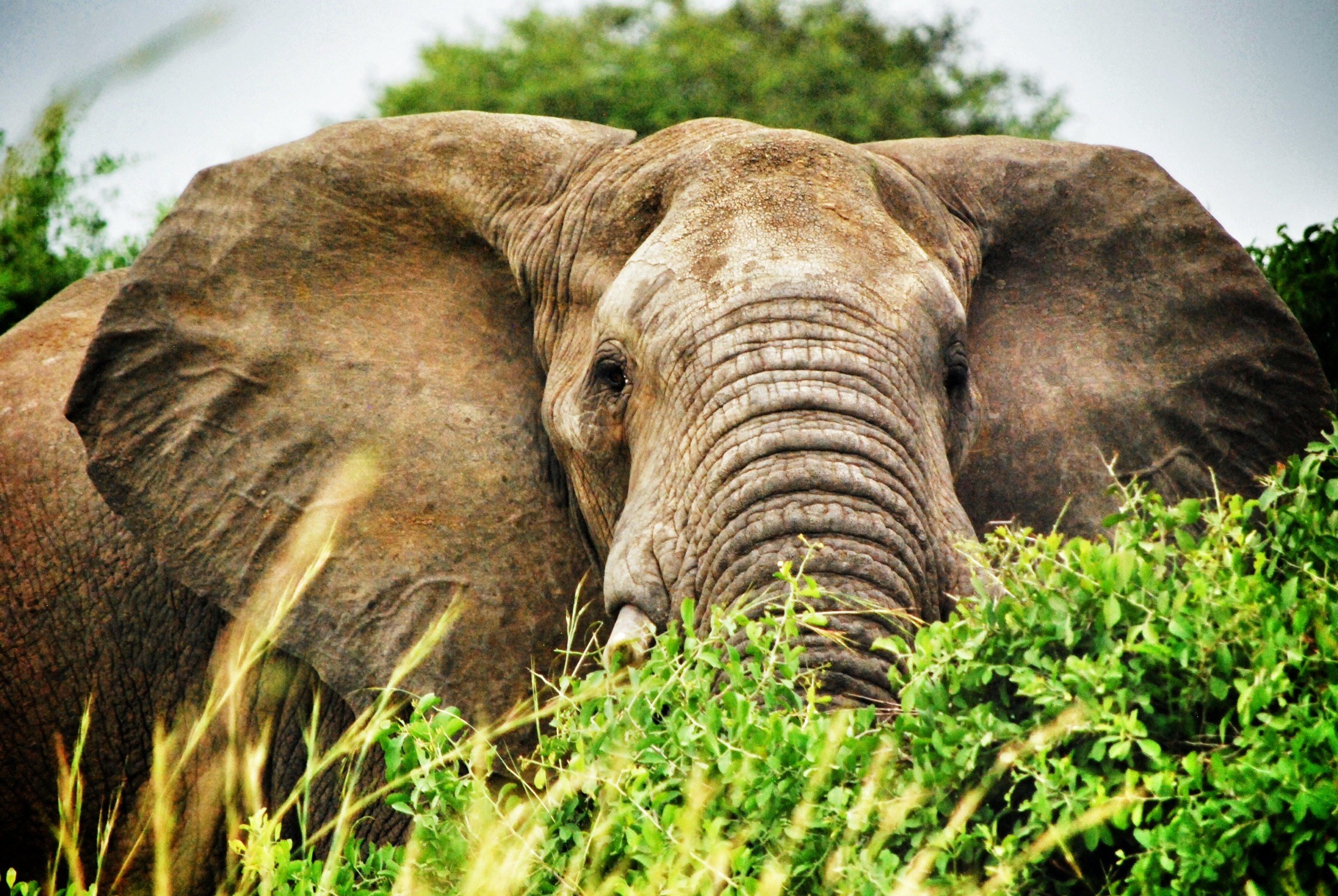
The savanna elephant is Endangered on the IUCN Red List (2020) and the forest elephant Critically Endangered (2026). Uganda counted 6,352 in its monitored parks between 2023 and 2025, the largest numbers in Queen Elizabeth, then Murchison Falls. The Kenya Wildlife Service calls Amboseli the home of the African elephant.
Where to lookQueen ElizabethMurchison FallsAmboseliTarangire
BuffaloNear Threatened
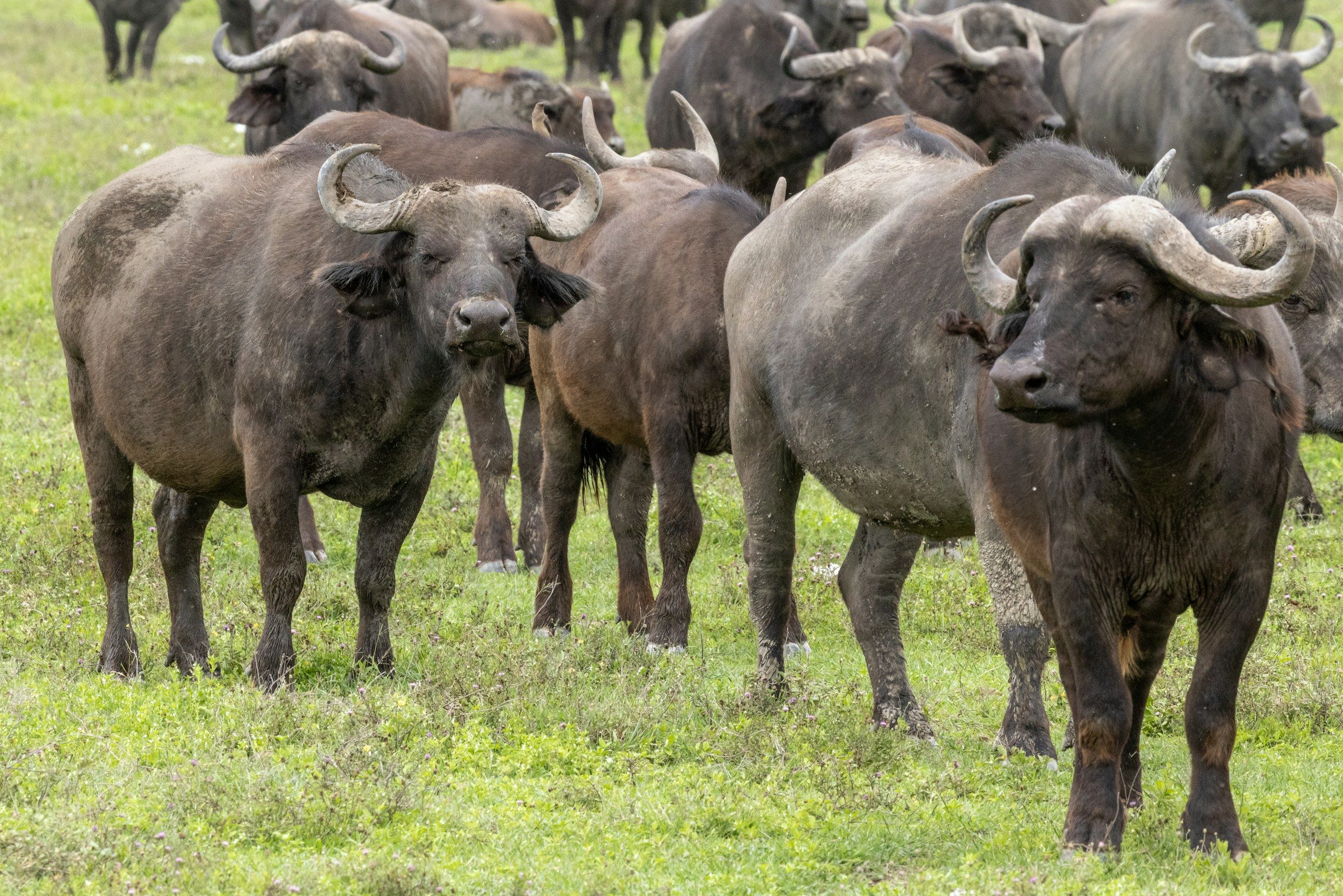
Near Threatened on the IUCN Red List (2018). Uganda counted 41,548 between 2023 and 2025, and the Uganda Wildlife Authority names Kidepo as the main stronghold.
Where to lookKidepo ValleyMurchison FallsNgorongoro Crater
RhinoBlack rhino: Critically Endangered

The black rhino is Critically Endangered and the white rhino Near Threatened (IUCN, 2020). By the end of 2024, Africa held about 22,540 rhinos, 6,788 of them black, by the IUCN's count. Kenya has about 2,100 (Kenya Wildlife Service, 2026) and Uganda 61 white rhinos (2026 count).
Where to lookNgorongoro CraterLake NakuruZiwa, UgandaAkagera
Rhino and leopard take the most planning, so we build your Big Five safari around them
Lion, elephant and buffalo live in many East African parks. Rhinos live in few, so we choose the parks for rhino first. Leopards are mostly nocturnal, so nobody can promise one. Tell us which of the five matters most to you, and how many days you have.
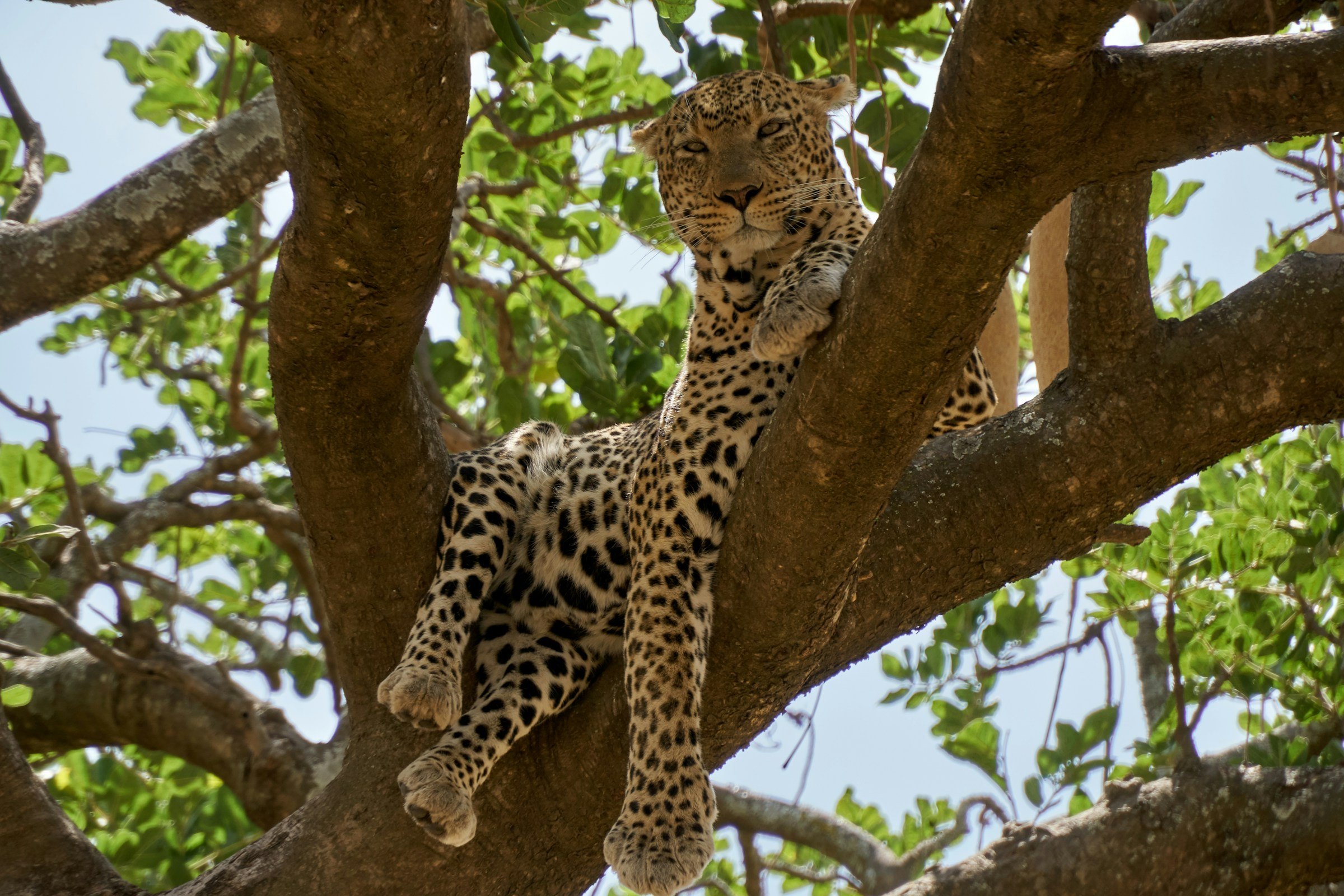
Ngorongoro Crater and the Serengeti: the Big Five in northern Tanzania
The Ngorongoro Conservation Area Authority says the crater is home to over 25,000 animals, including the big five.
Tanzania National Parks lists all five in the Serengeti and is reintroducing black rhinos in the north and south of the park. Tarangire, often on the same route, has four of the five, with no rhino listed, and Tanzania National Parks calls it the elephant paradise.
- Crater descent: USD 295 per vehicleFor visitors from outside East Africa, on top of park entryNgorongoro Conservation Area Authority, 2023 tariff
- 6:00 to 16:00The hours the crater gates open, every dayNgorongoro Conservation Area Authority
- Into the crater by four-wheel drive onlyWith a licensed guide. Walking is not allowed inside the craterNgorongoro Conservation Area Authority
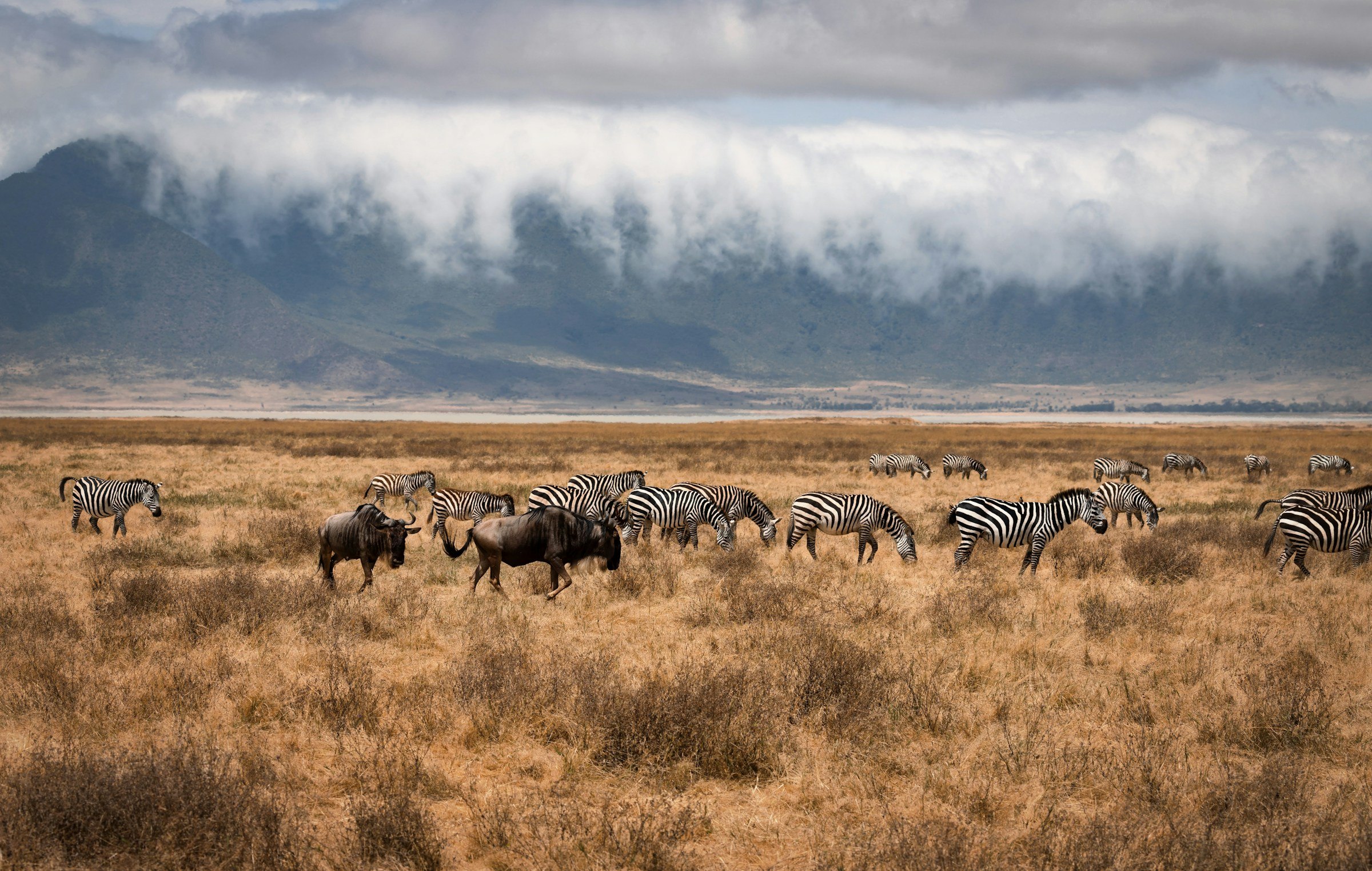
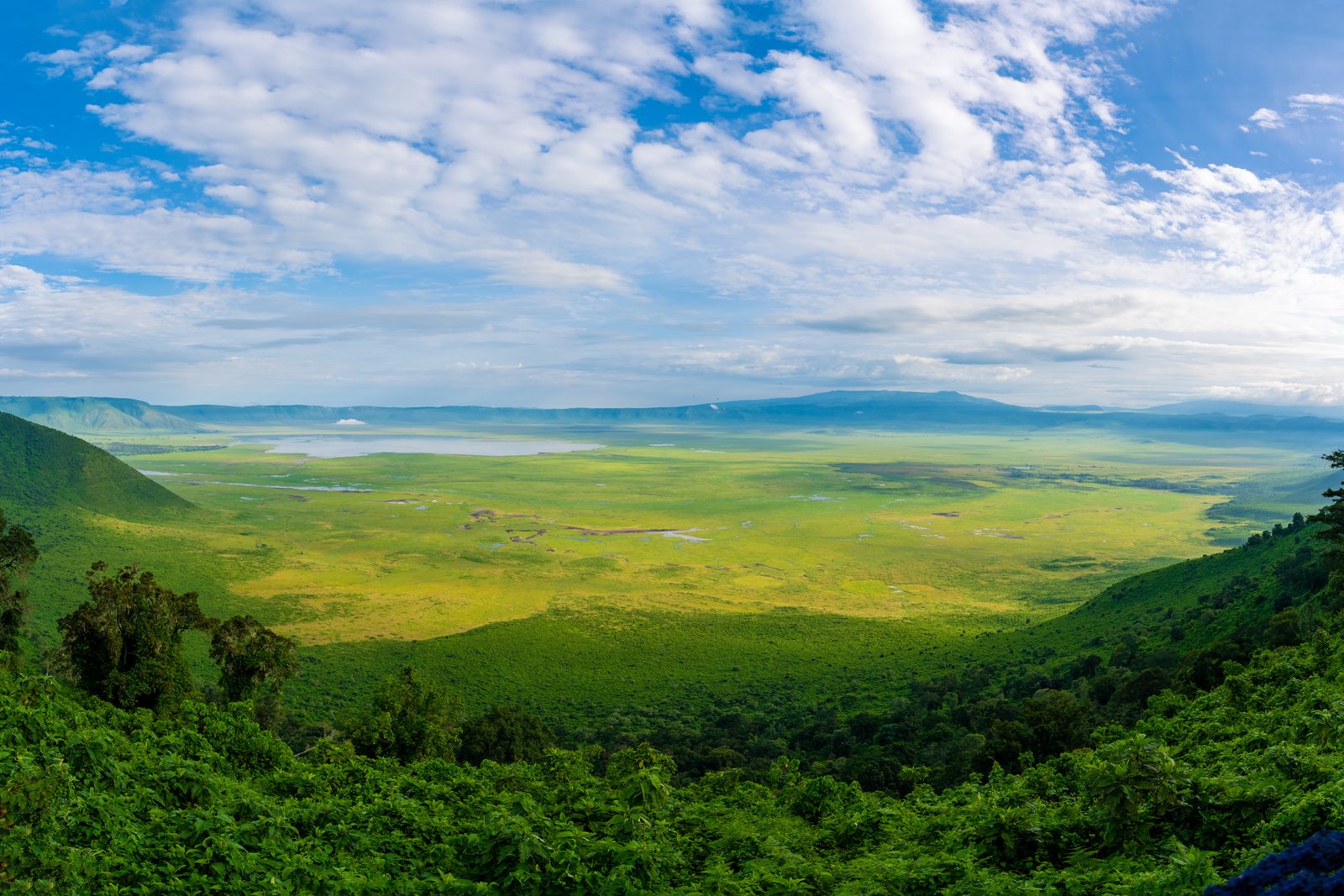
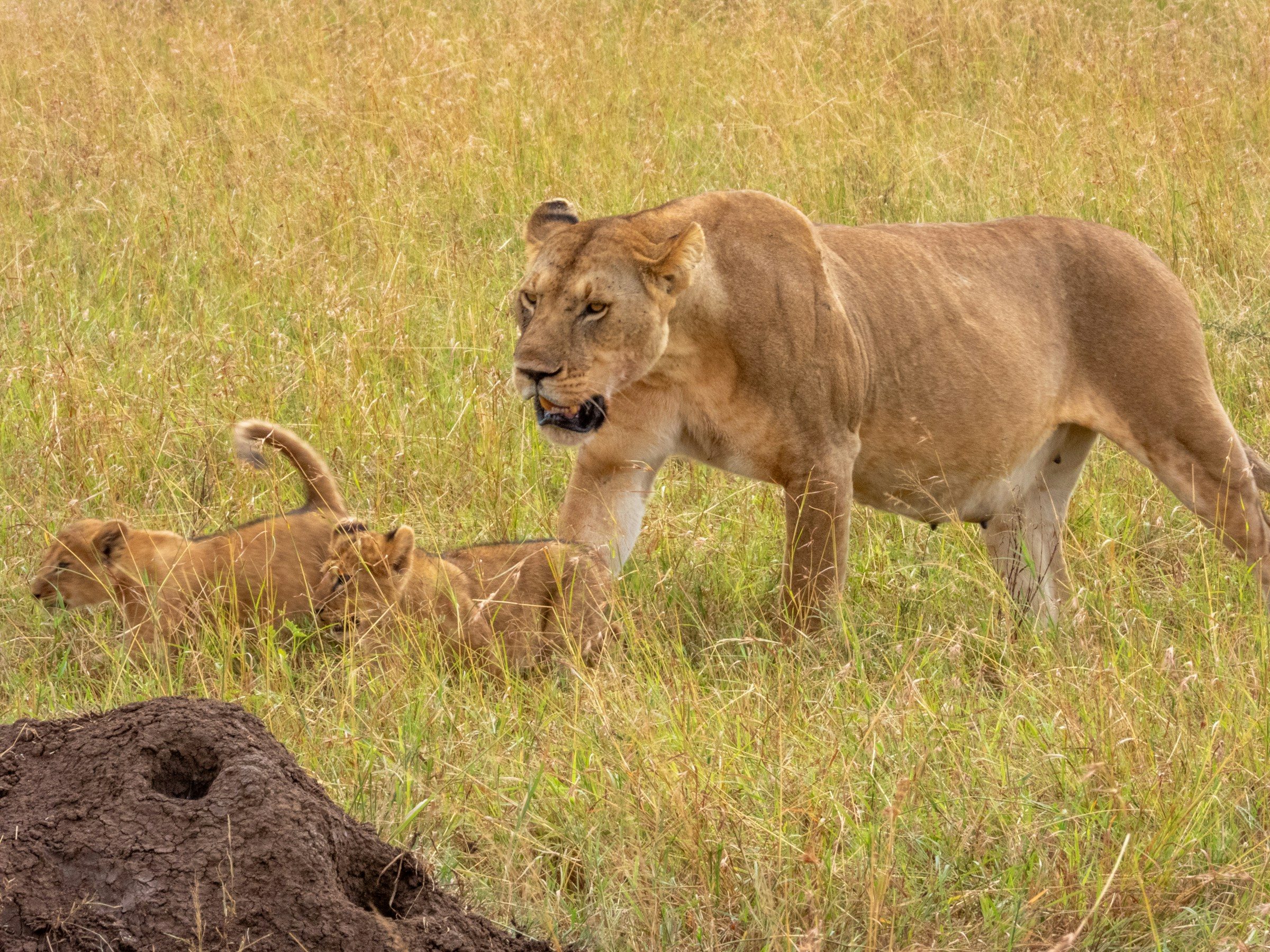

Zebra and wildebeest on the crater floor; Ngorongoro Crater from the rim; a lioness and cubs in the Serengeti; elephants in Tarangire.

The Maasai Mara, Tsavo West and Lake Nakuru: where to see the Big Five in Kenya
Kenya has about 2,100 rhinos, the Kenya Wildlife Service said in 2026. These are three places to look for them.
The Maasai Mara is also lion country: Narok County estimated 270 lions in the reserve in 2023. Our Maasai Mara safari includes Lake Nakuru's rhino sanctuary.
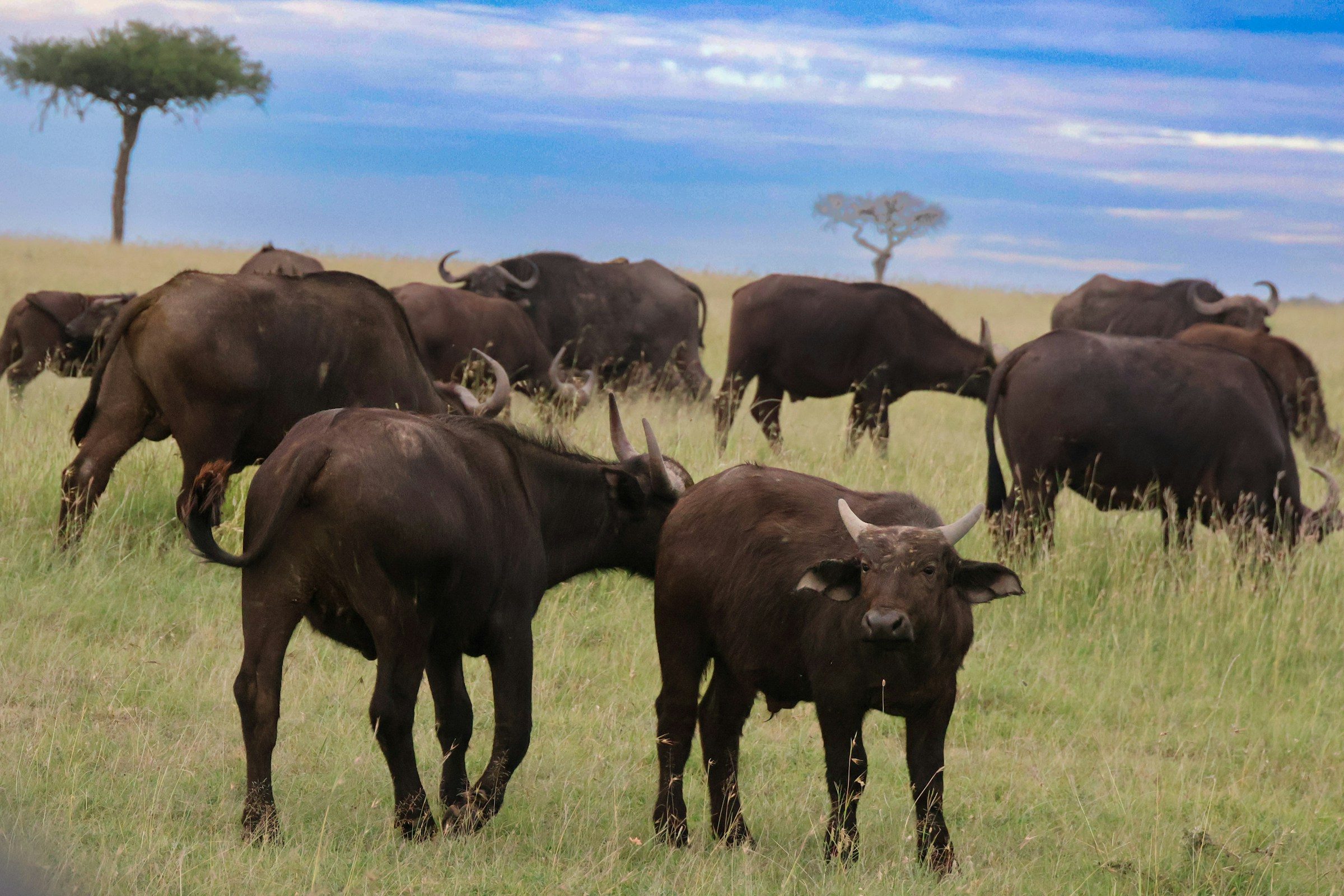
White rhinos at Lake Nakuru; buffalo in Naboisho Conservancy beside the Maasai Mara.
- Maasai Mara: around 50 black rhinosIn the reserve, by Narok County's 2023 estimateNarok County, 2023
- Tsavo West: about 200 black rhinosBrought together in December 2025 in a sanctuary that now covers 3,200 square kilometresKenya Wildlife Service
- Lake Nakuru: black and white rhinosKenya's first government-managed rhino sanctuary, since 1987Kenya Wildlife Service
The Big Five in Uganda and Rwanda
Uganda covers the five on one route; Rwanda has them in one park, Akagera. Both combine with a gorilla trek.
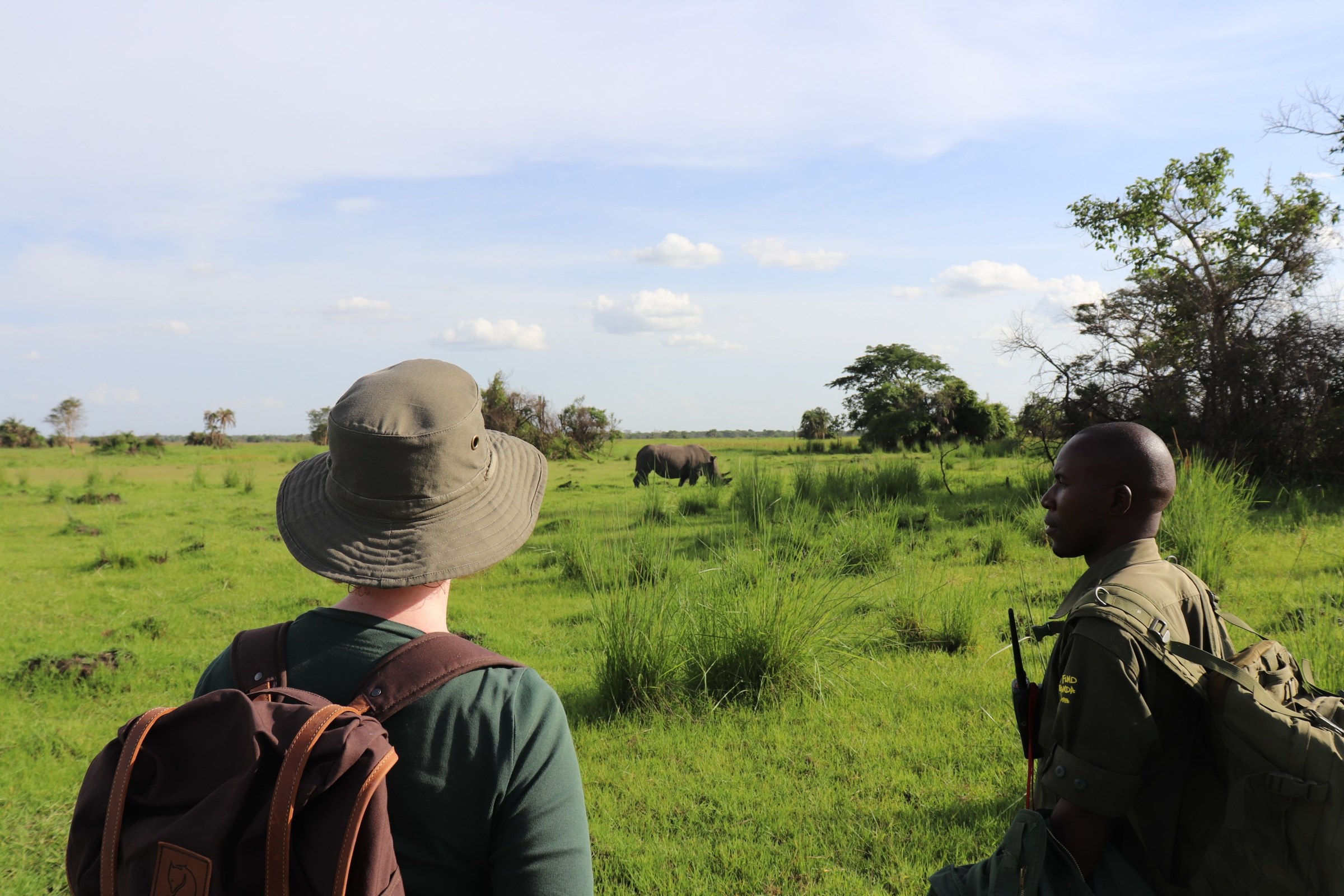
Uganda: Queen Elizabeth or Murchison Falls, and rhinos on foot at Ziwa
No park in Uganda lets visitors see all of the Big Five, so a Uganda route adds Ziwa Rhino Sanctuary to Queen Elizabeth or Murchison Falls.
Queen Elizabeth and Murchison Falls national parks both have lion, leopard, elephant and buffalo. The Uganda Wildlife Authority's 2018 park guides point to the Kasenyi plains of Queen Elizabeth for lions, and to Mweya and the Channel Track for leopards. In Murchison the Buligi Peninsula is the main game-viewing area.
Ishasha, in the south of Queen Elizabeth, is famous for lions that rest in fig trees, but the Uganda Wildlife Authority said in September 2026 that only three known adult lions remain there. We never promise them.
Uganda's 61 rhinos, counted in 2026, are southern white rhinos, about 53 of them at Ziwa, where you track them on foot with a ranger. Two live in a fenced sanctuary in Kidepo Valley with no visitor activity yet, and the Uganda Wildlife Authority prices rhino tracking at Ajai Wildlife Reserve from 1 January 2027.
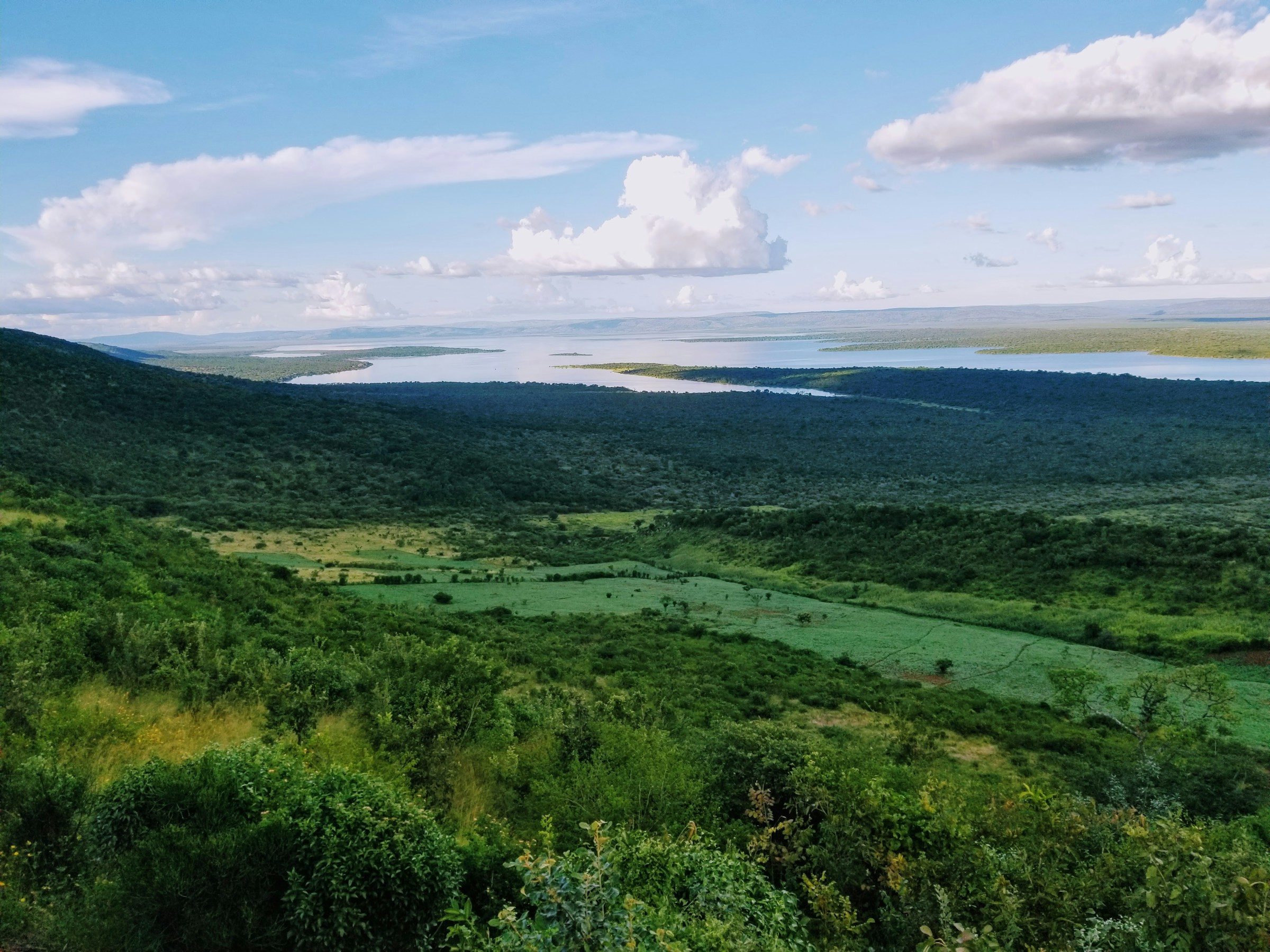
Rwanda: Akagera National Park
The Rwanda Development Board calls Akagera a park where tourists can now visit the African Big Five.
- 2015Lions reintroduced
- 201718 eastern black rhinos returned to Rwanda
- 202130 southern white rhinos introduced
- June 202570 more southern white rhinos
Dates from African Parks, which runs Akagera with the Rwanda Development Board. We can add Akagera to a Rwanda gorilla trip.
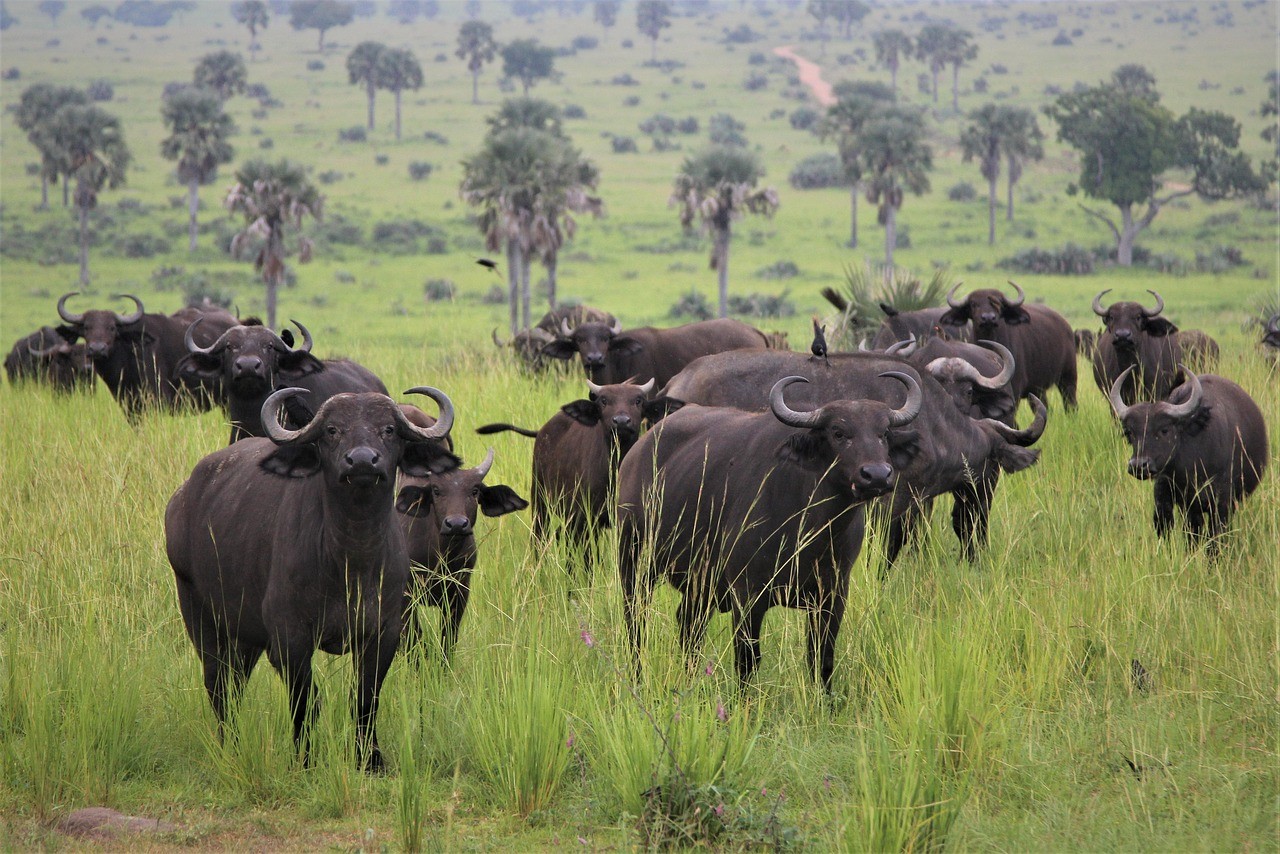
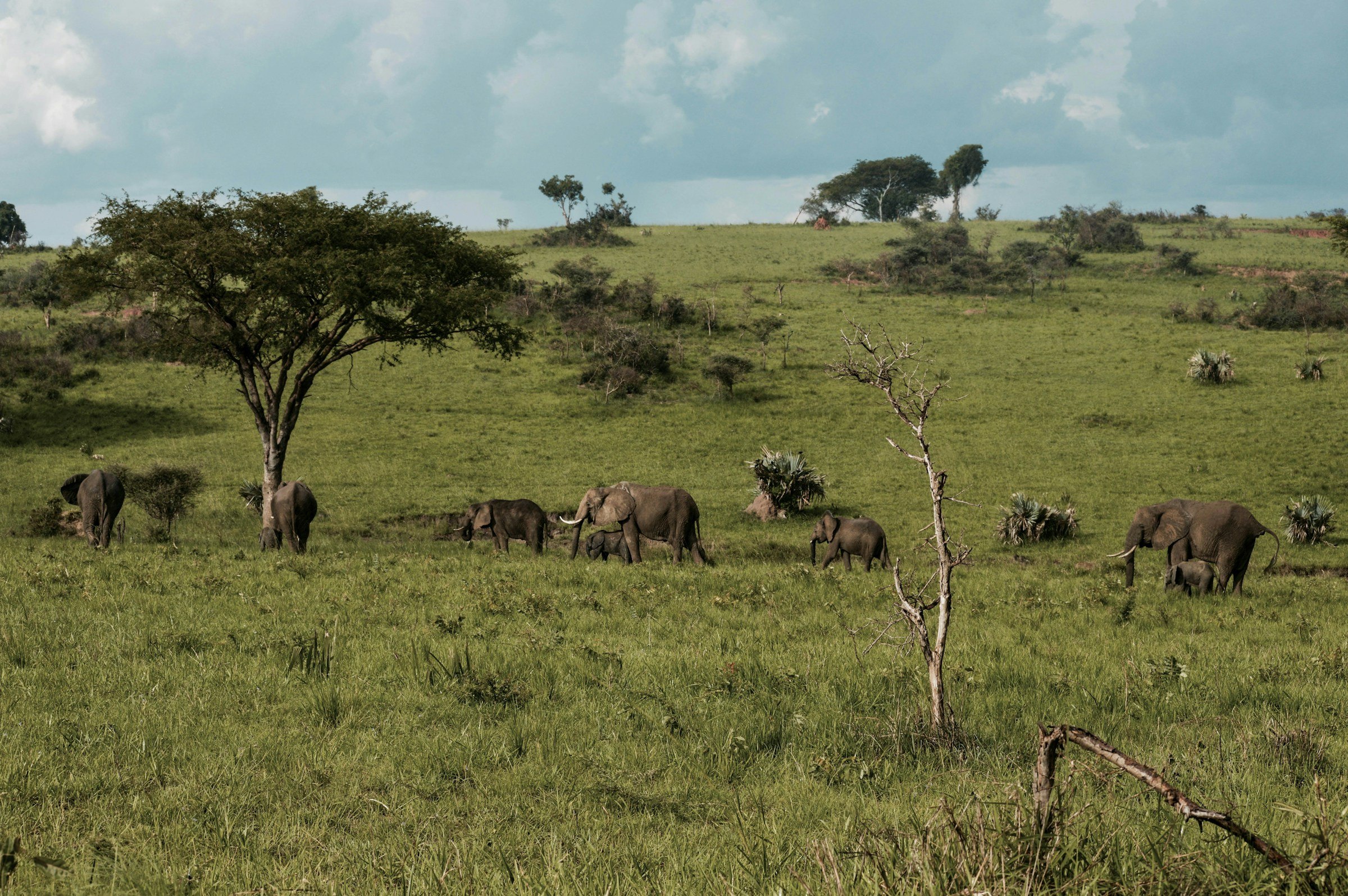
Buffalo among borassus palms, and an elephant herd grazing, both in Murchison Falls National Park.
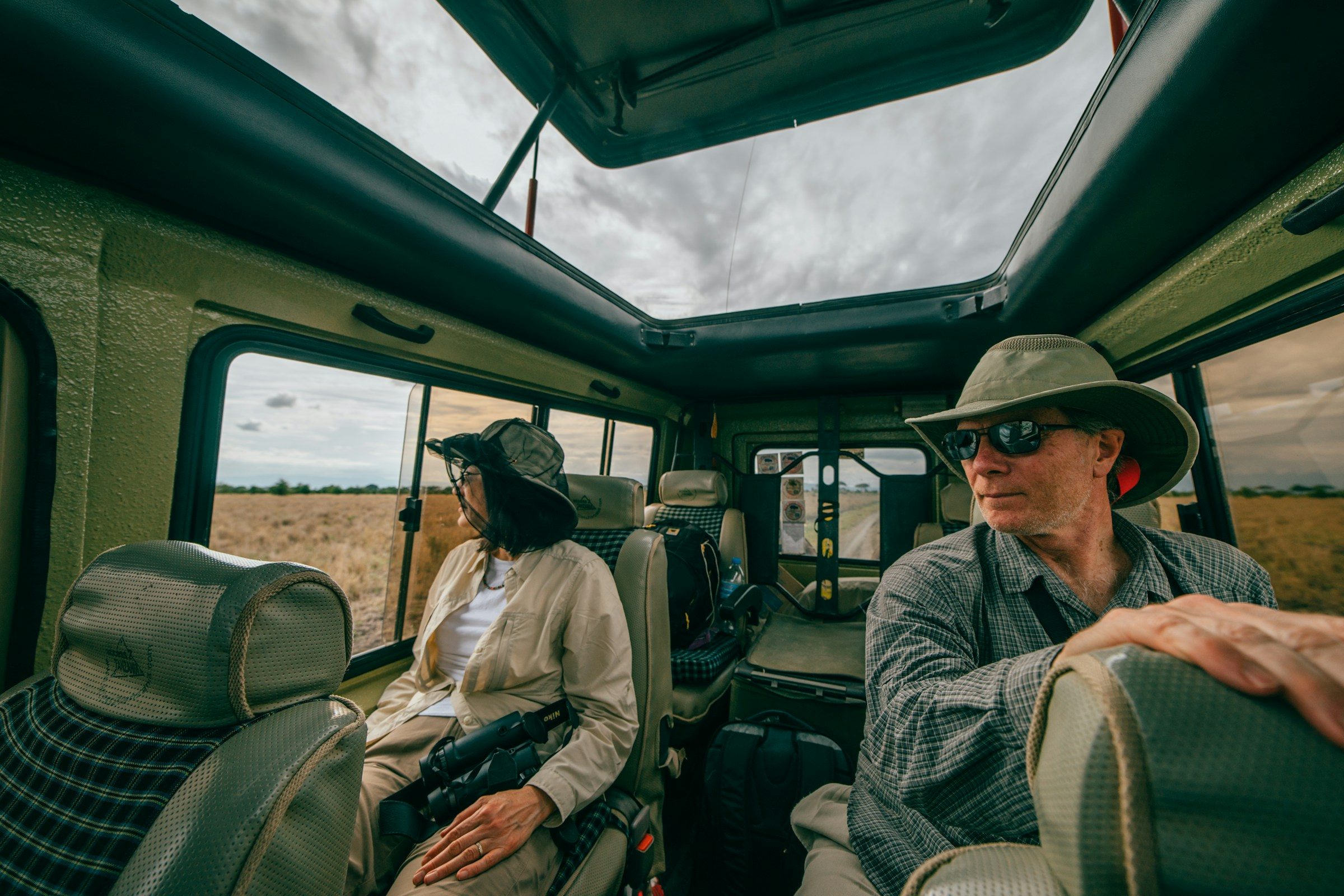
Game-drive rules in Kenya, Tanzania and Uganda: how close you can get and how long you can stay
On game drives you keep 20 to 25 metres from the animals in Kenya and Ngorongoro.
- 25 metresThe minimum distance from animals in the Maasai Mara reserve and NgorongoroNarok County, 2023; Ngorongoro Conservation Area Authority
- No more than five vehicles at a sightingIn Ngorongoro and the Mara Triangle, and around lions, rhinos, leopards and cheetahs in the rest of the Maasai Mara reserveNgorongoro Conservation Area Authority; Mara Conservancy, 2016; Narok County, 2023
- 15 minutesThen move on, in the Maasai Mara reserve, when other vehicles are waitingNarok County, 2023
- 40 km an hourThe speed limit in Uganda's parks, where you stay on the tracksUganda Wildlife Authority
- USD 150 fine per personFor driving off the tracks in Uganda, charged to the driver for each person in the vehicleUganda Wildlife Authority tariff, 2024 to 2026
- No night drives in the Maasai MaraIn Uganda, only for guests sleeping inside the park, with a Uganda Wildlife Authority guideNarok County; Uganda Wildlife Authority
 Typically 10 to 14 daysUgandaBest of Ugandafrom USD 3,950per personSee the itinerary
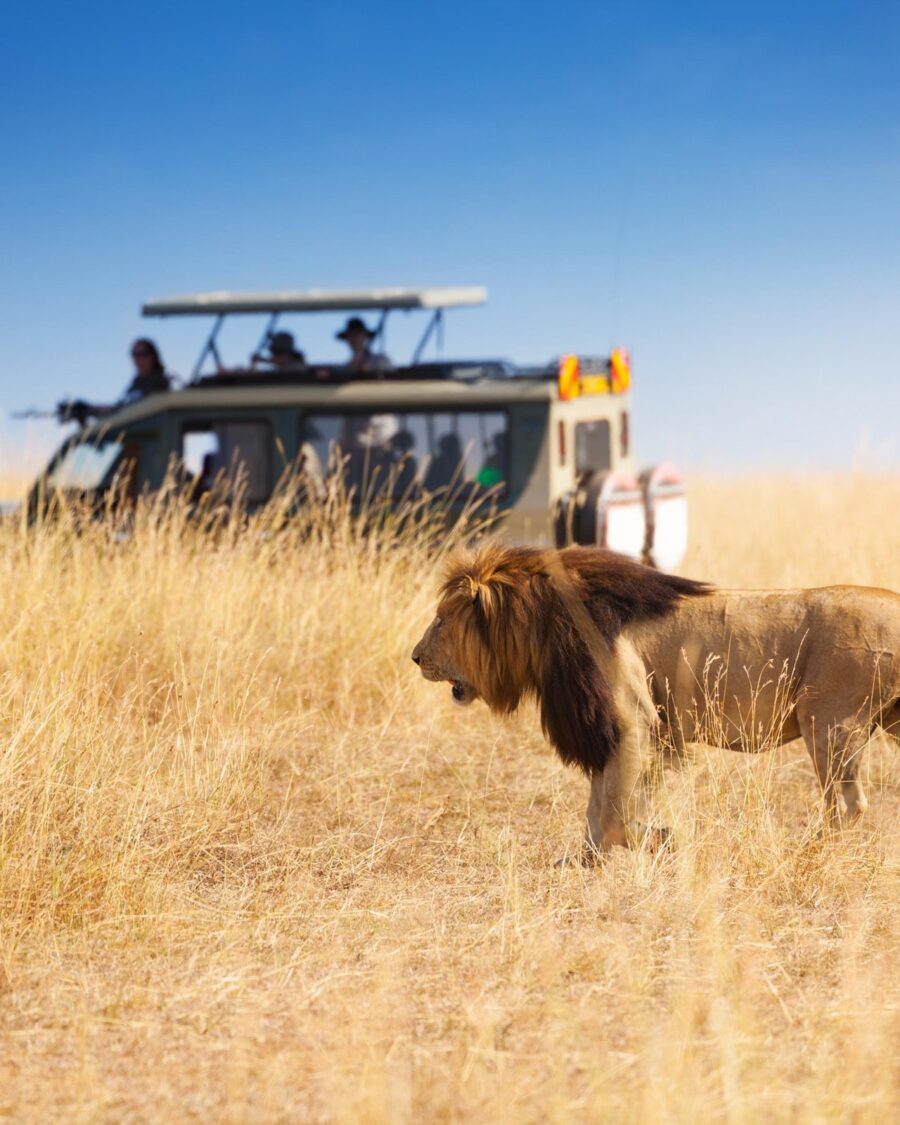 Typically 7 to 10 daysKenyaBest of Kenyafrom USD 4,900per personSee the itinerary
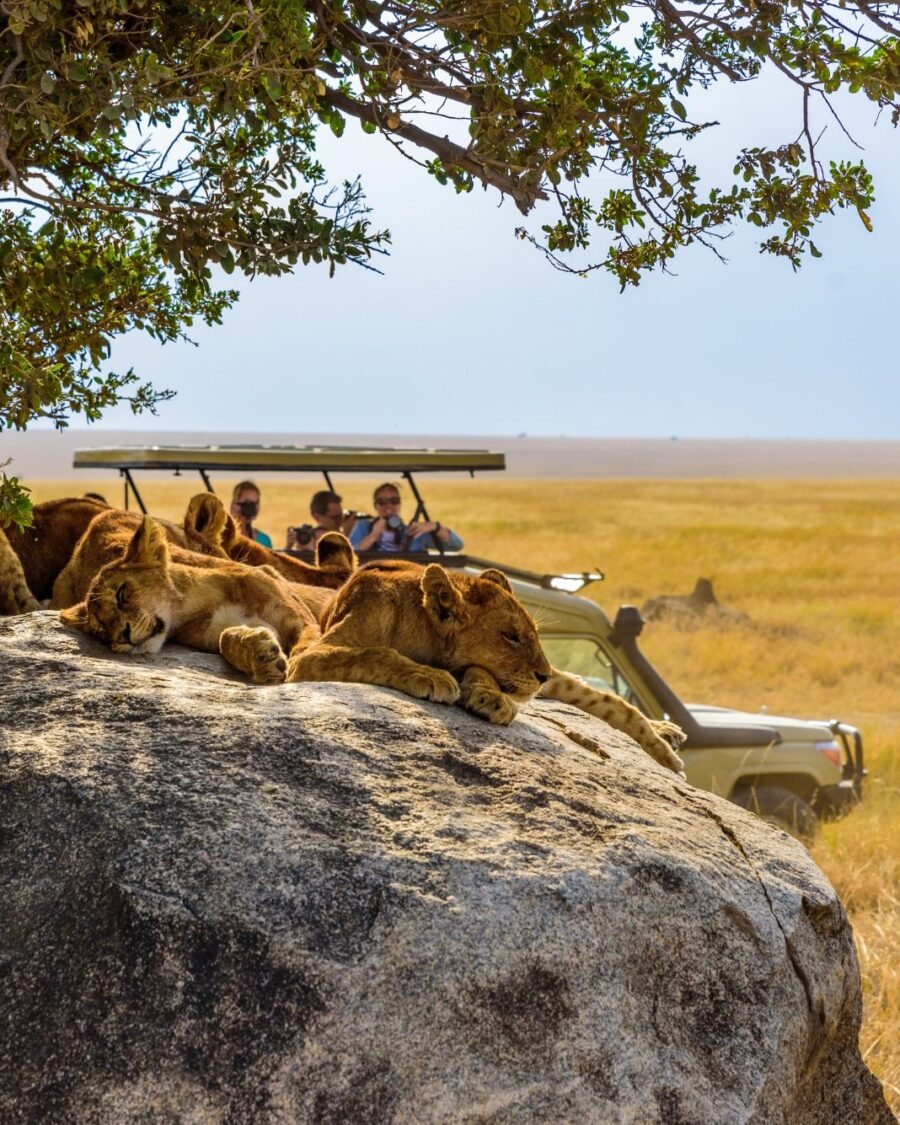 Typically 6 to 9 daysTanzaniaBest of Tanzaniafrom USD 3,250per personSee the itinerary
Longer, shorter, a different month, two countries in one run. Say what you have in mind and a first route and a real price come back within one working day.
Start with a date