
Photograph gorillas, big cats and birds at first and last light
Photography Safaris in Uganda, Rwanda, Kenya and Tanzania
Private safaris planned around first and last light, with the vehicle to yourselves and time to wait for the picture.
A photography safari is planned around the light, the rules and the animals you most want
We plan private photography safaris in Uganda, Rwanda, Kenya and Tanzania. The vehicle and the day are yours, so you decide where to stop and how long to wait.
Near the equator the light changes little through the year. In these parks the sun rises between about 05:35 and 07:10 and sets between about 17:45 and 19:20, depending on the park and the month. What changes from park to park is when the gates open, how close you may go, and whether you may leave the track.
So we choose where you sleep by the hours you can be out, and the order of the parks by what you want to photograph: gorillas and chimpanzees in Uganda and Rwanda, big cats and the herds in Kenya and Tanzania.
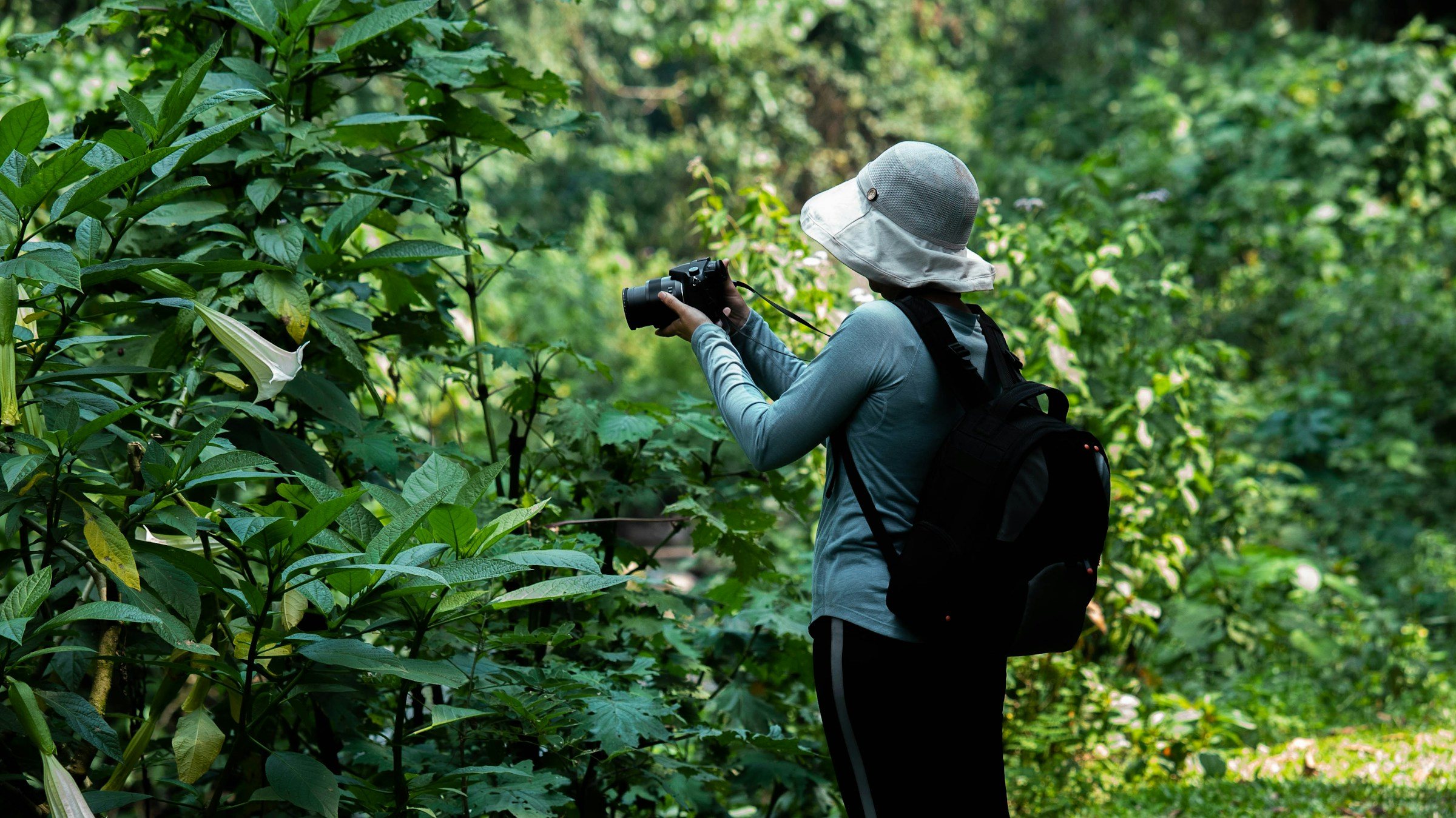
- About 12 hours of daylightIn every park on this page, all year: sunrise and sunset move by about half an hour across the seasons
- Uganda's park gates: 07:00 to 19:00The Uganda Wildlife Authority's hours for its parks
- No flash with gorillas or chimpanzeesWith gorillas in Uganda and Rwanda, and with chimpanzees in Uganda
- Drones: approval before you flyEach country's civil aviation authority sets its own rules
What to photograph in East Africa, and the rules for each
Five subjects that shape a photography safari, with where to find them and how close you may go. Open one to see it.
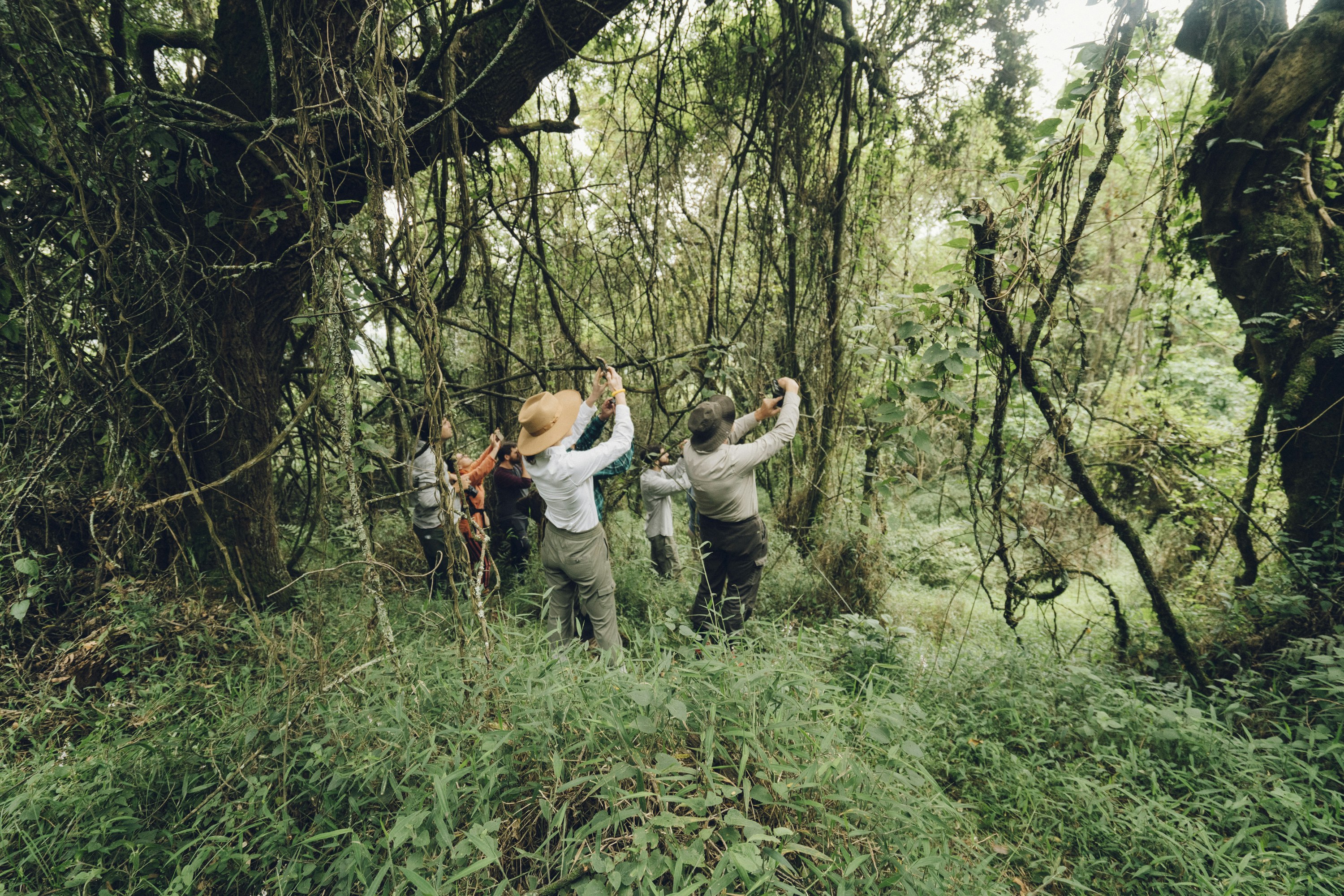
Mountain gorillasOne hour, no flash
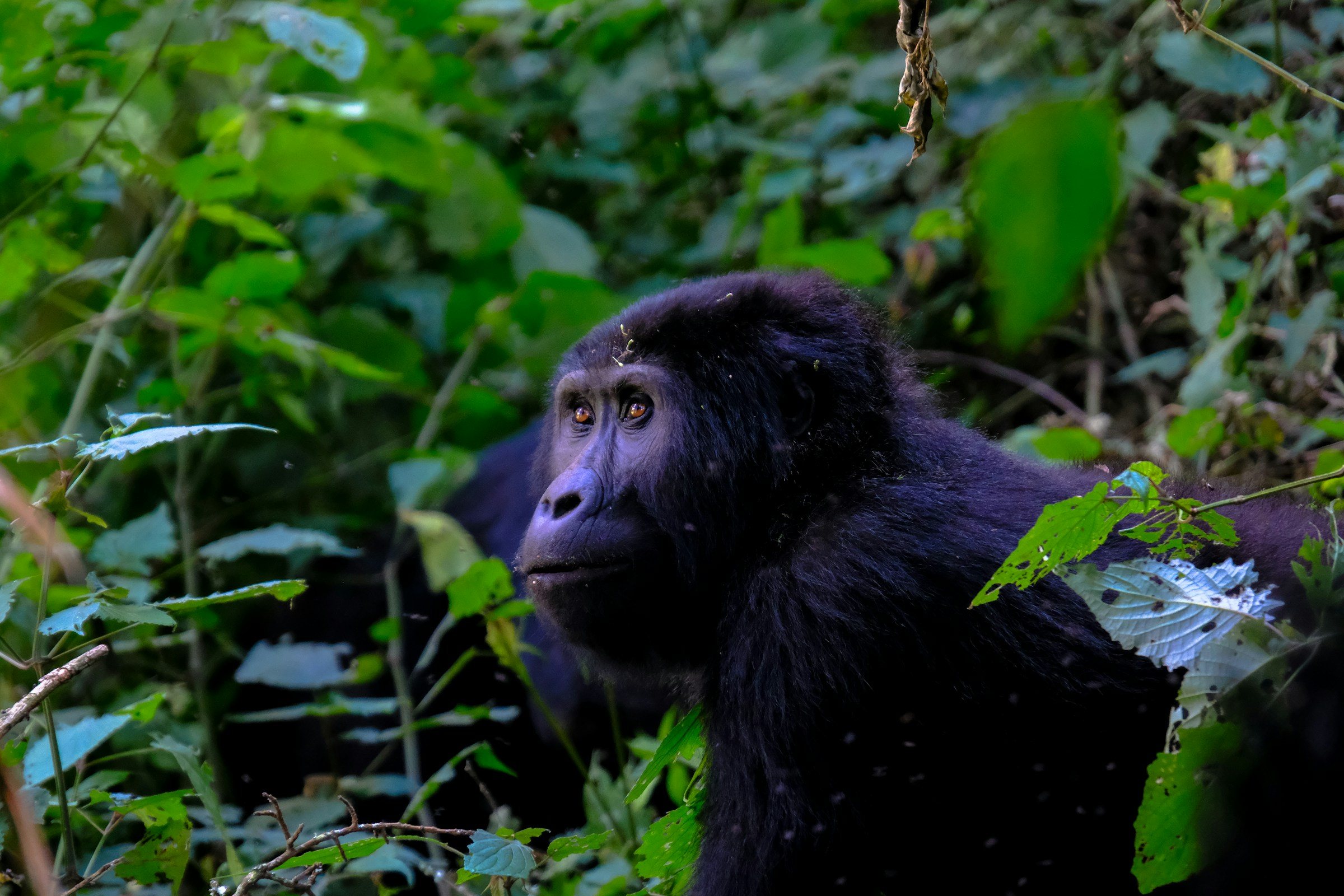
You spend one hour with a gorilla family, in a group of no more than eight visitors, and flash is not allowed. The Uganda Wildlife Authority asks you to keep 10 metres away, the Rwanda Development Board 7 metres. In Uganda, gorilla tracking starts from 08:00; the habituation experience starts from 06:30 and gives you four hours with the gorillas.
WhereBwindiMgahingaVolcanoes, Rwanda
ChimpanzeesOne hour, no flash
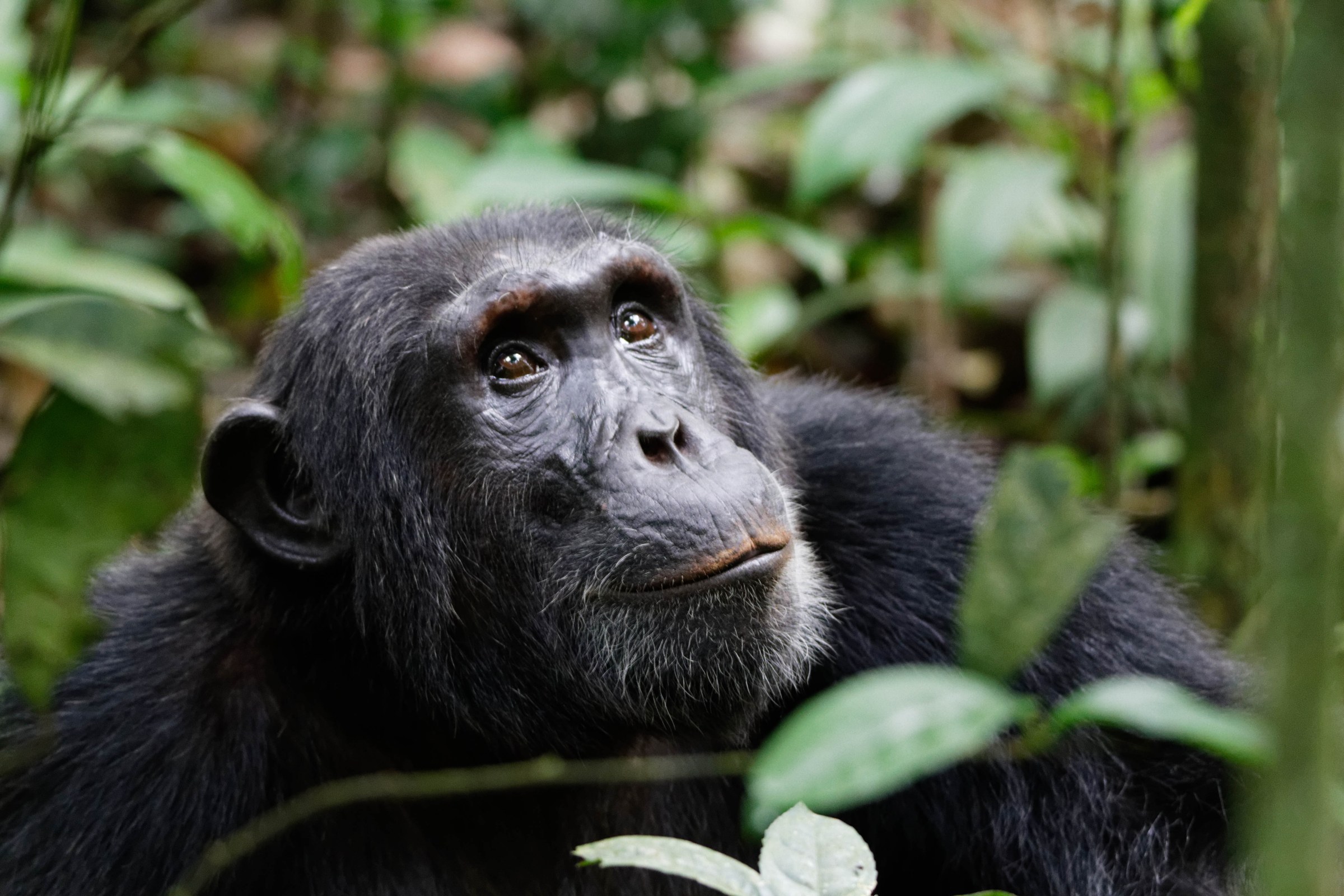
In Kibale, chimpanzee tracking starts from 08:00 or from 14:00, and you have one hour with the chimpanzees once they are found, at least 10 metres away and without flash, the Uganda Wildlife Authority says. The full-day habituation experience starts at 06:30 and gives you four hours with them.
WhereKibaleKyamburaNyungwe, Rwanda
Big cats on the plainsNo closer than 25 metres
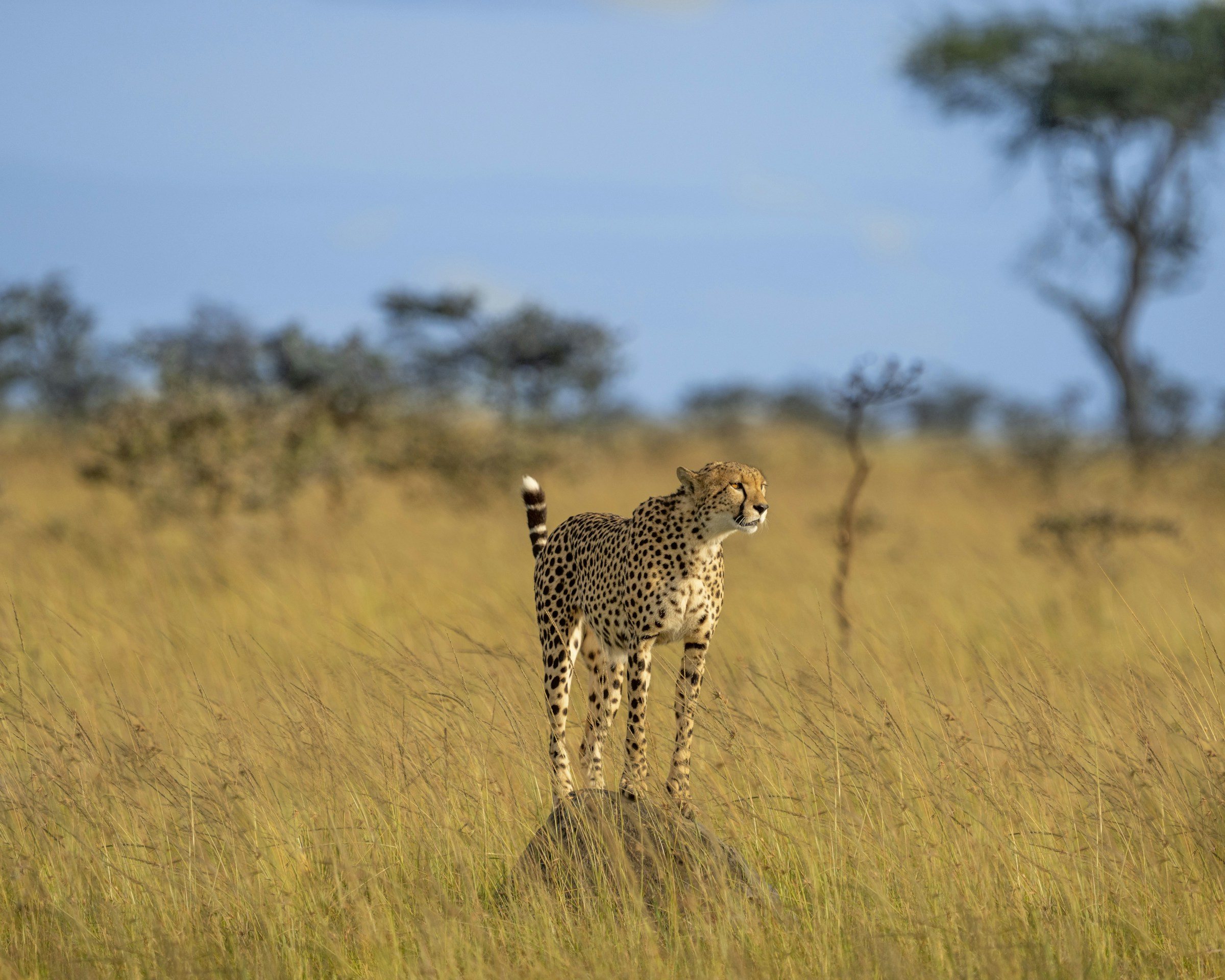
In the Maasai Mara's Low Use Zones you may leave the track to approach lion, leopard and cheetah, to no closer than 25 metres, with no more than five vehicles at a sighting, under the Mara Conservancy's rules and Narok County's 2023 plan. In the Serengeti, Tanzania National Parks asks you to stay on the designated roads.
WhereMara TriangleMaasai MaraSerengeti
Murchison Falls by boat and on footBy boat and on foot
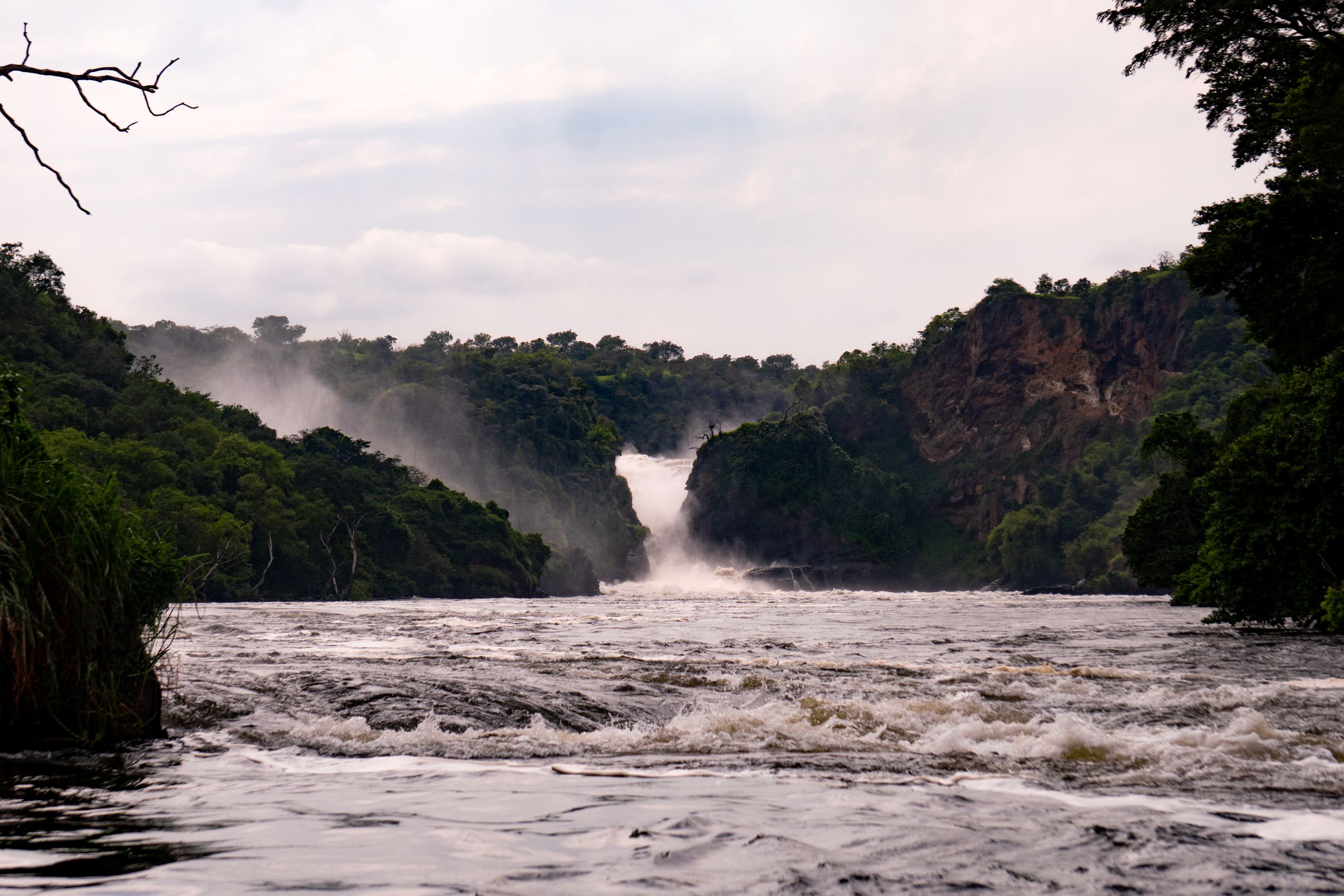
The launch upriver from Paraa to the foot of the falls takes about two hours. At the top of the falls, the Uganda Wildlife Authority sells two visits: a viewing of the falls, and a hike along the top-of-the-falls trail.
WhereParaaTop of the falls
Elephants under KilimanjaroAt least 20 metres away
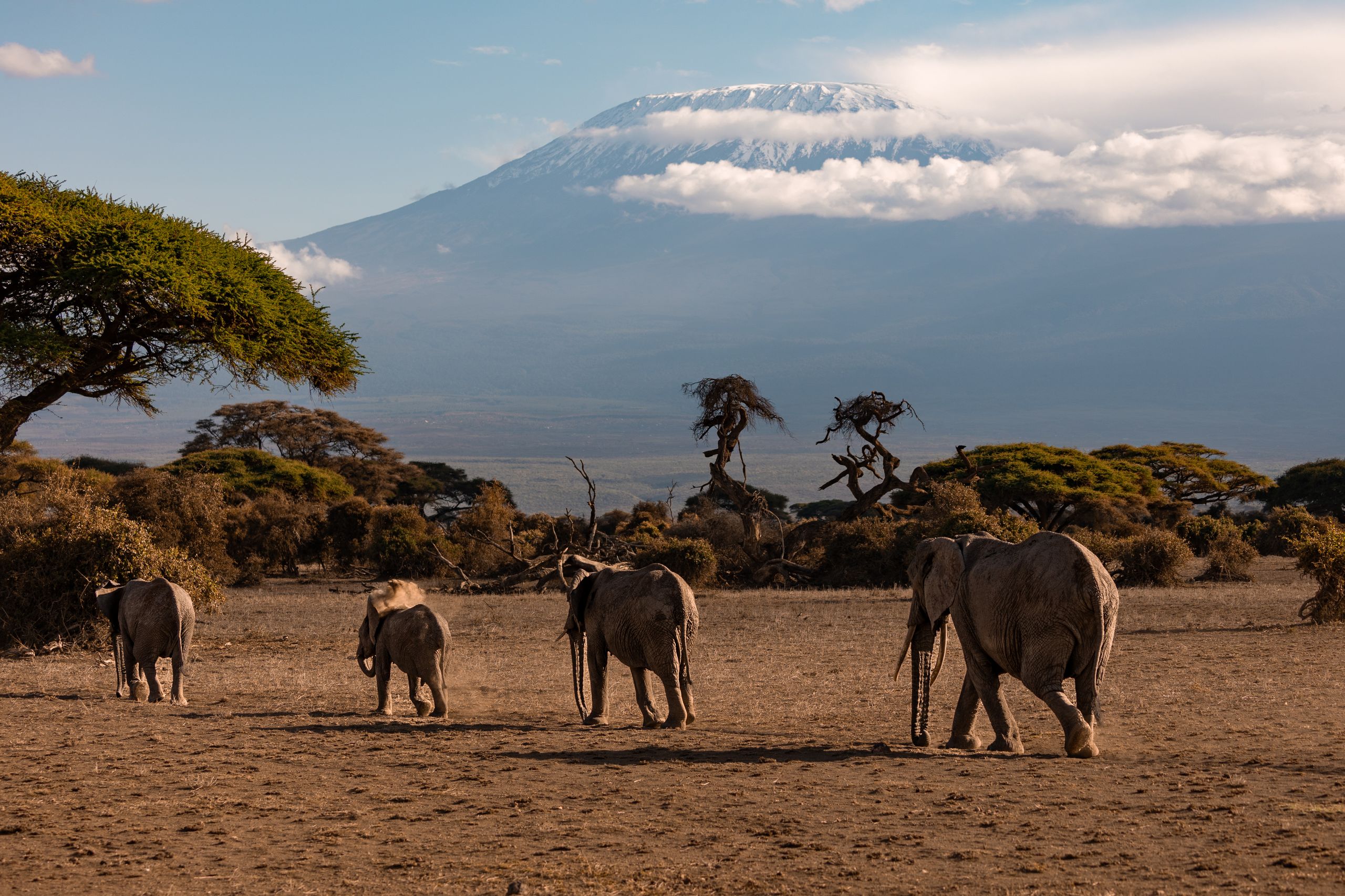
The Kenya Wildlife Service calls Amboseli the home of the African elephant. Its rules here, as at Nakuru and Tsavo: stay on the roads, keep at least 20 metres from the animals, and leave by 18:00 unless you are staying inside the park.
WhereAmboseli
The vehicle and the day are yours, so you can wait for the picture
Every safari we plan is private: one vehicle with a pop-up roof and a driver-guide for you alone. You decide when to stop, how long to stay with a sighting and when to head back.
We plan each day around the light in the planner above: out when the gates open, a rest in the middle of the day, and out again for the last hours of sun.
Park rules for photographers in Uganda, Rwanda, Kenya and Tanzania
Each park sets how close you may go and where you may drive. These are the rules that matter most with a camera.
- No flash with gorillas or chimpanzeesWith gorillas in Uganda and Rwanda, and chimpanzees in UgandaUganda Wildlife Authority; Rwanda Development Board
- 10 metres from gorillas and chimpanzees in Uganda7 metres from gorillas in RwandaUganda Wildlife Authority; Rwanda Development Board
- Keep 20 metres away in Amboseli, Nakuru and Tsavo25 metres from big cats in the Maasai Mara's Low Use Zones, and 25 metres in NgorongoroKenya Wildlife Service; Mara Conservancy; Narok County; Ngorongoro Conservation Area Authority
- Stay on the trackIn Uganda's parks a driver who leaves it is fined USD 150 for each person in the vehicle. In the Maasai Mara's Low Use Zones you may leave it only for big catsUganda Wildlife Authority; Mara Conservancy; Narok County
- Nobody sits on the roofUganda fines sitting on top of the vehicle USD 100 a time, and the Maasai Mara forbids sitting or standing on it. You photograph through the raised pop-up roof, from insideUganda Wildlife Authority; Mara Conservancy; Narok County
- Night drives only in some placesIn Uganda only for guests sleeping inside the park, with a Uganda Wildlife Authority guide. None in the Maasai Mara reserve. Akagera runs its own, from 17:30 to about 20:30Uganda Wildlife Authority; Narok County; African Parks
Uganda for photographers: Murchison Falls, the Kazinga Channel and the primates
Two boat trips give you the water-level pictures a vehicle cannot: the launch to the foot of Murchison Falls and the launch along the Kazinga Channel.
The Uganda Wildlife Authority describes the Kazinga Channel trip as a two-hour return voyage between Mweya and Lake Edward, past banks lined with hippos, crocodiles and waterbirds, and visited by elephant, buffalo and antelope.
- Each launch trip: about 2 hoursAt Murchison Falls and on the Kazinga ChannelUganda Wildlife Authority
- Launches take up to 45 people at Murchison, 40 on the Kazinga ChannelThe most each launch carriesUganda Wildlife Authority
- Night drives at Murchison Falls, Kidepo and Lake MburoFor guests sleeping inside the park, with a Uganda Wildlife Authority guideUganda Wildlife Authority
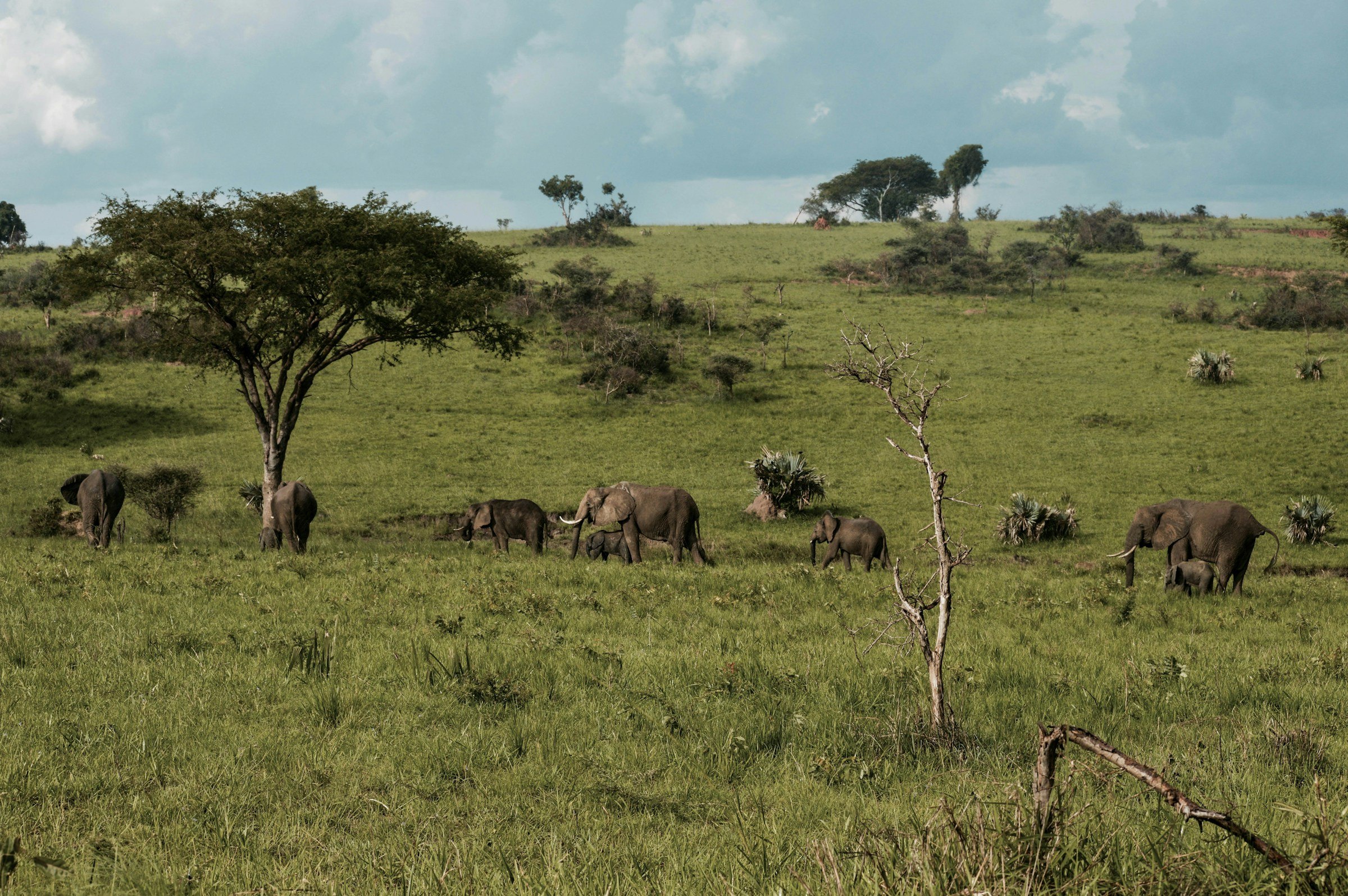

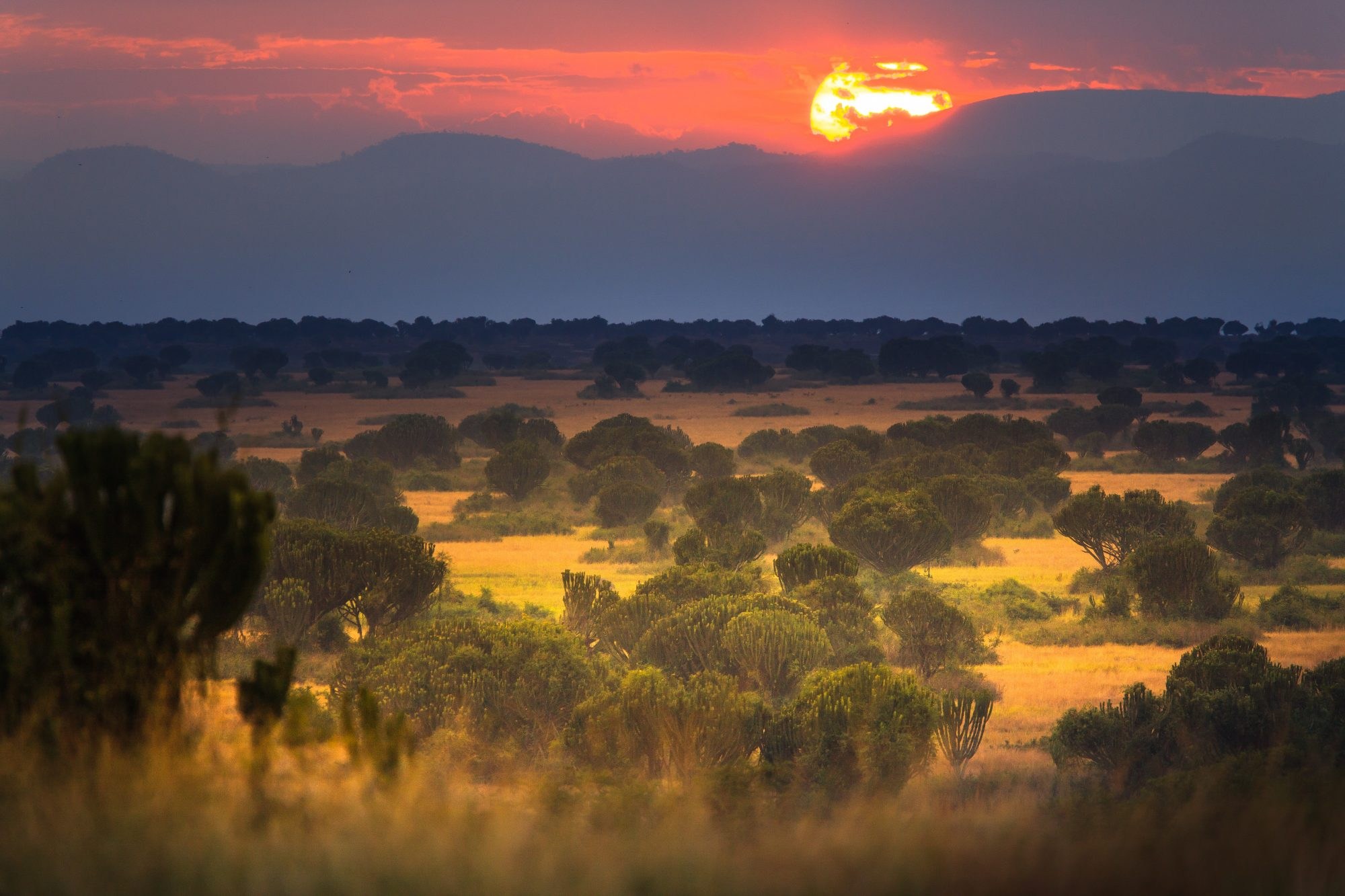
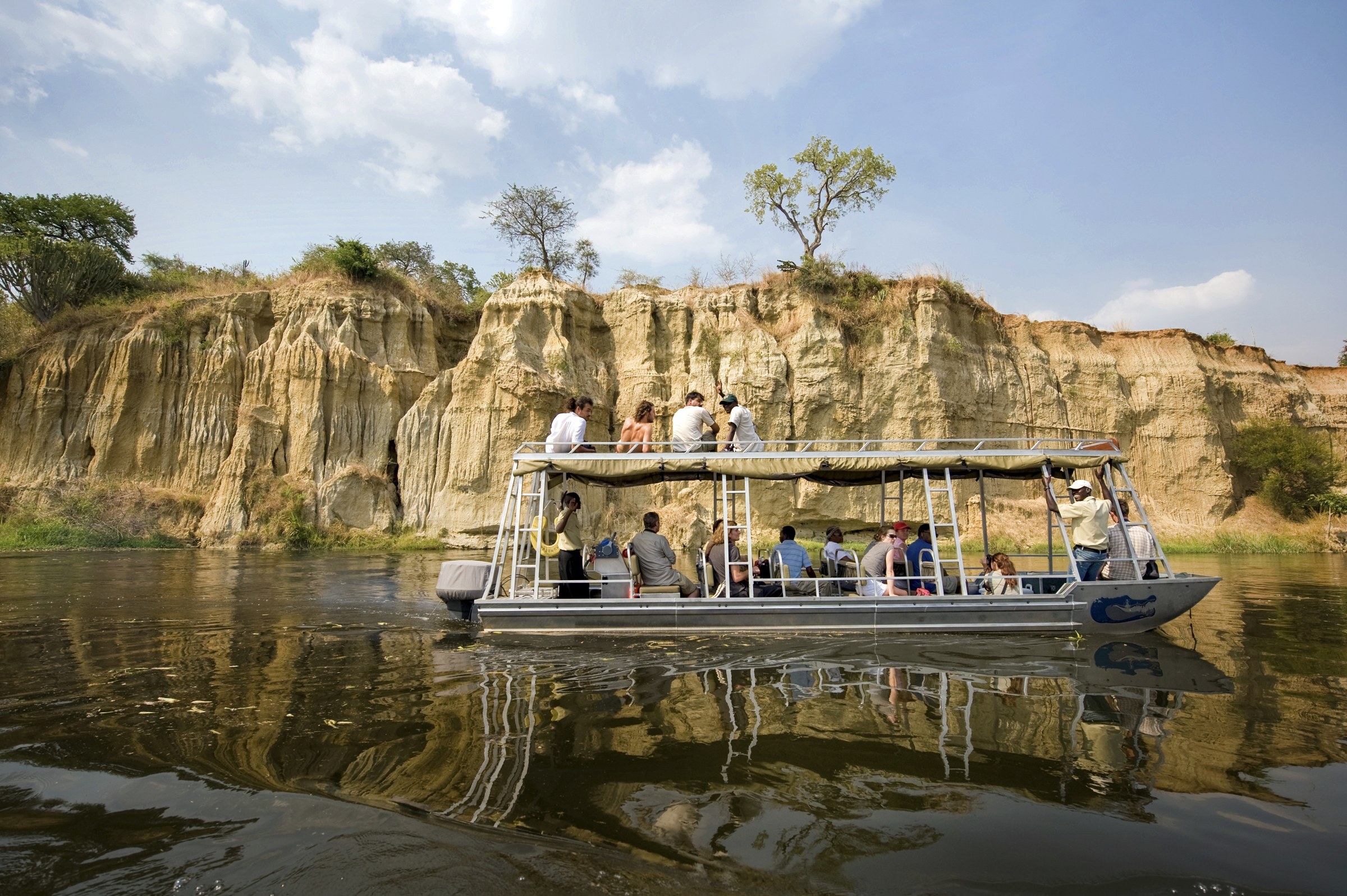
Elephants among palms at Murchison Falls; a candelabra euphorbia in Queen Elizabeth; the sun low over Queen Elizabeth; the launch below the cliffs at Murchison Falls.
Kenya and Tanzania for photographers: gate hours and the rules on the plains
The herds and the big cats are on the open plains, and each authority sets its own hours and rules.
Kenya: the Maasai Mara and Amboseli
The Mara Triangle's gates are open from 06:00 to 19:00, which covers sunrise and sunset all year.
- No more than five vehicles at a sightingThe most allowed in the Maasai Mara. When more than five vehicles are waiting, you have 10 minutes in the Mara Triangle and 15 in the rest of the reserveMara Conservancy; Narok County, 2023
- Amboseli, Nakuru and Tsavo: 06:00 to 18:00The Kenya Wildlife Service's gate hours, unless you stay overnight inside the parkKenya Wildlife Service
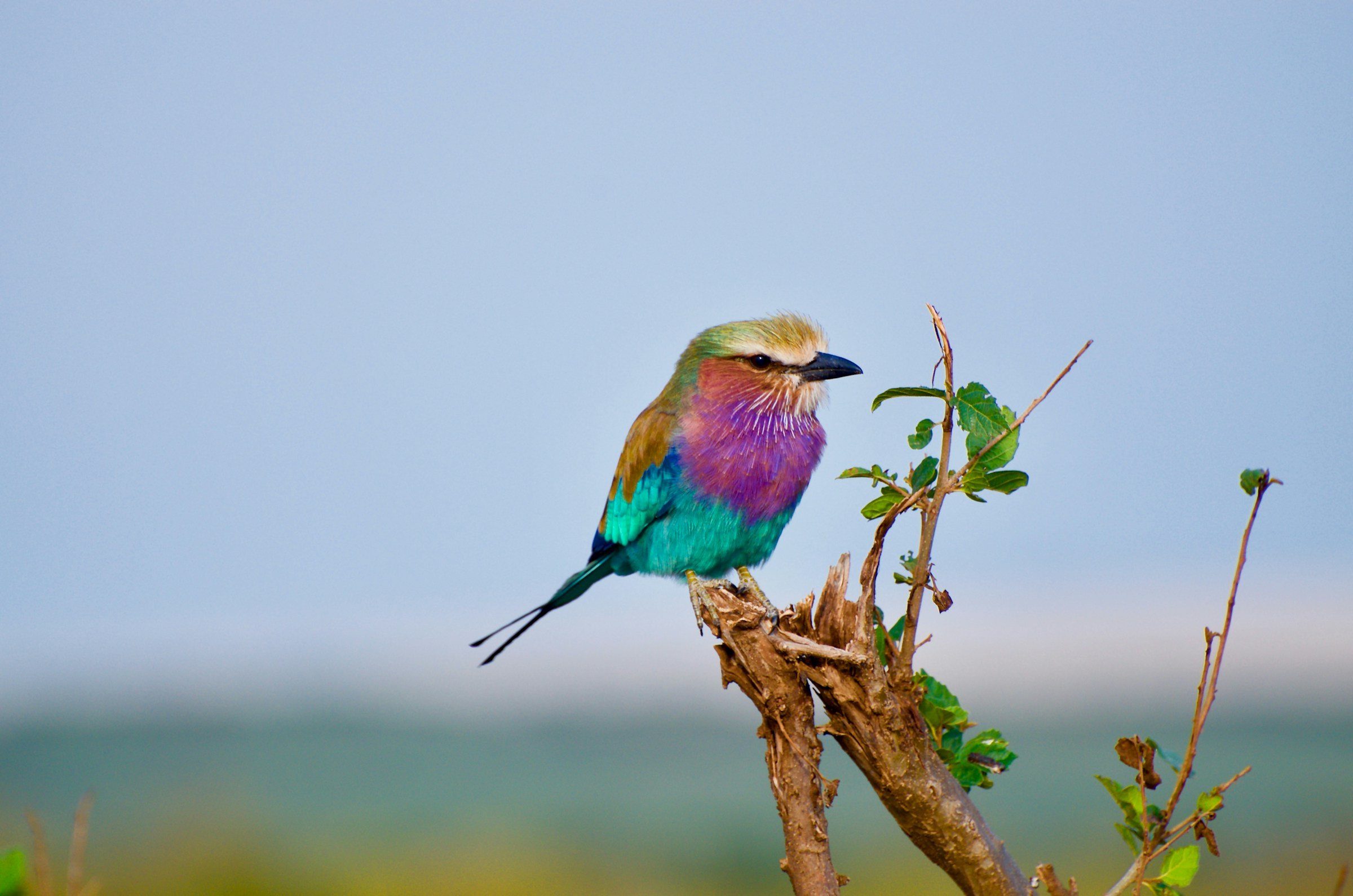
A lilac-breasted roller, Maasai Mara.

Tanzania: the Serengeti and Ngorongoro Crater
Tanzania National Parks asks you to stay on designated roads, and the Ngorongoro authority allows no more than five vehicles at a sighting.
- Ngorongoro Crater: 06:00 to 16:00The crater gates' hours. Keep at least 25 metres from the animalsNgorongoro Conservation Area Authority
- No night drives in the SerengetiTanzania National Parks sells them in Tarangire and Lake Manyara, not the SerengetiTanzania National Parks tariff
Long lenses through an open roof.
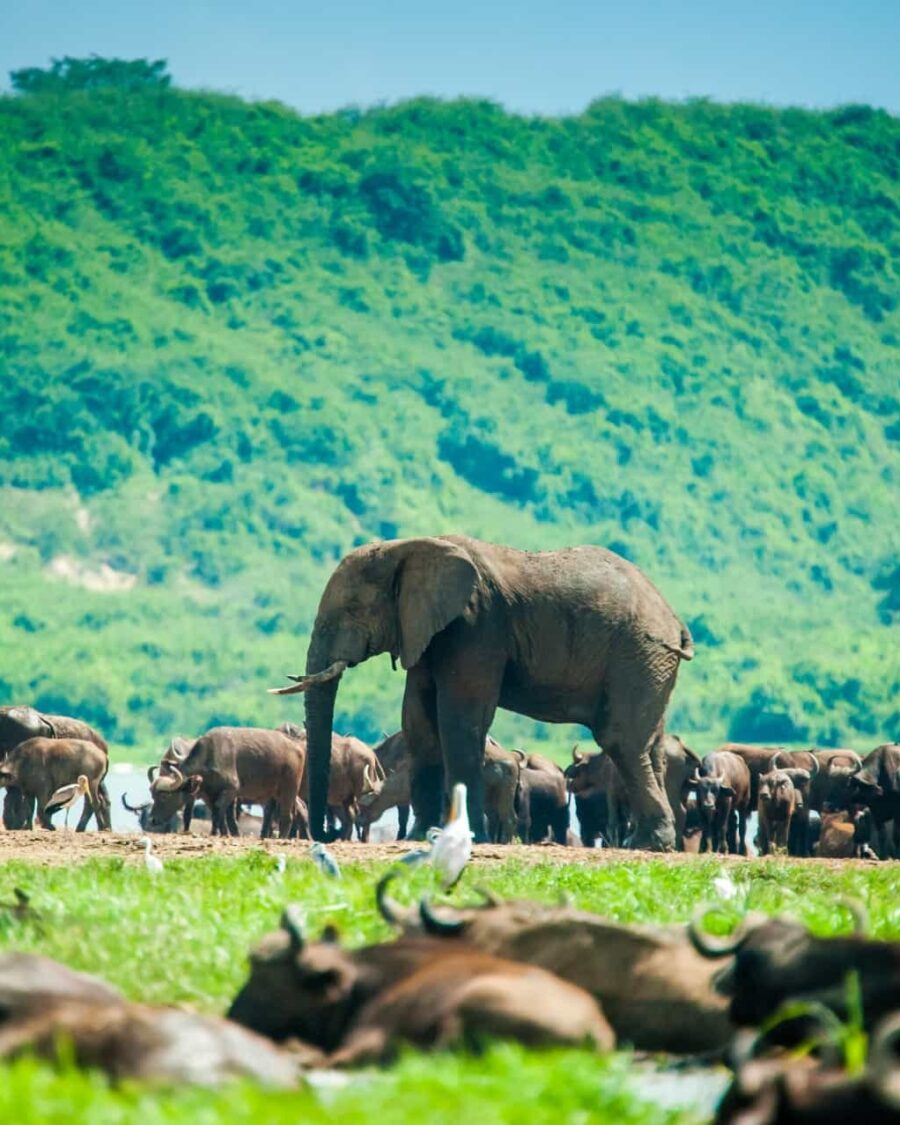 Typically 10 to 14 daysUgandaBest of Ugandafrom USD 3,950per personSee the itinerary
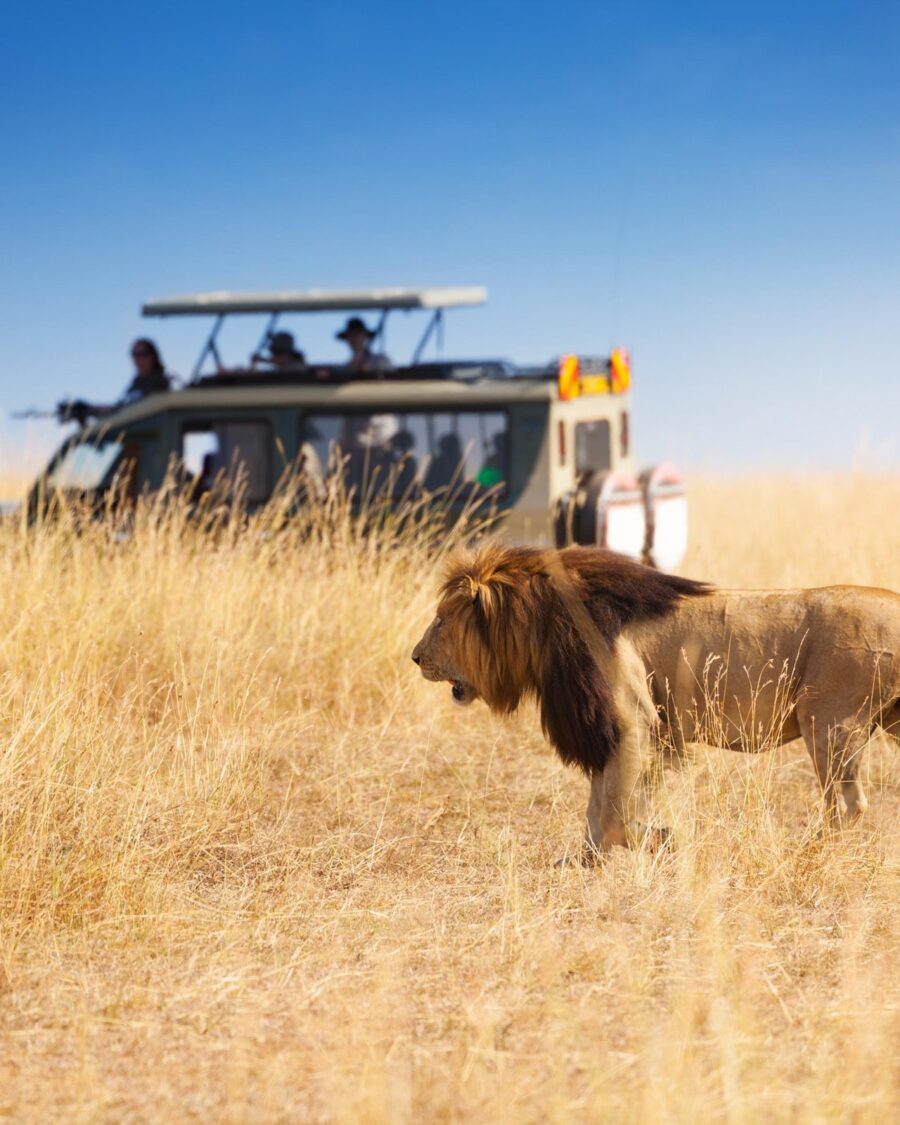 Typically 7 to 10 daysKenyaBest of Kenyafrom USD 4,900per personSee the itinerary
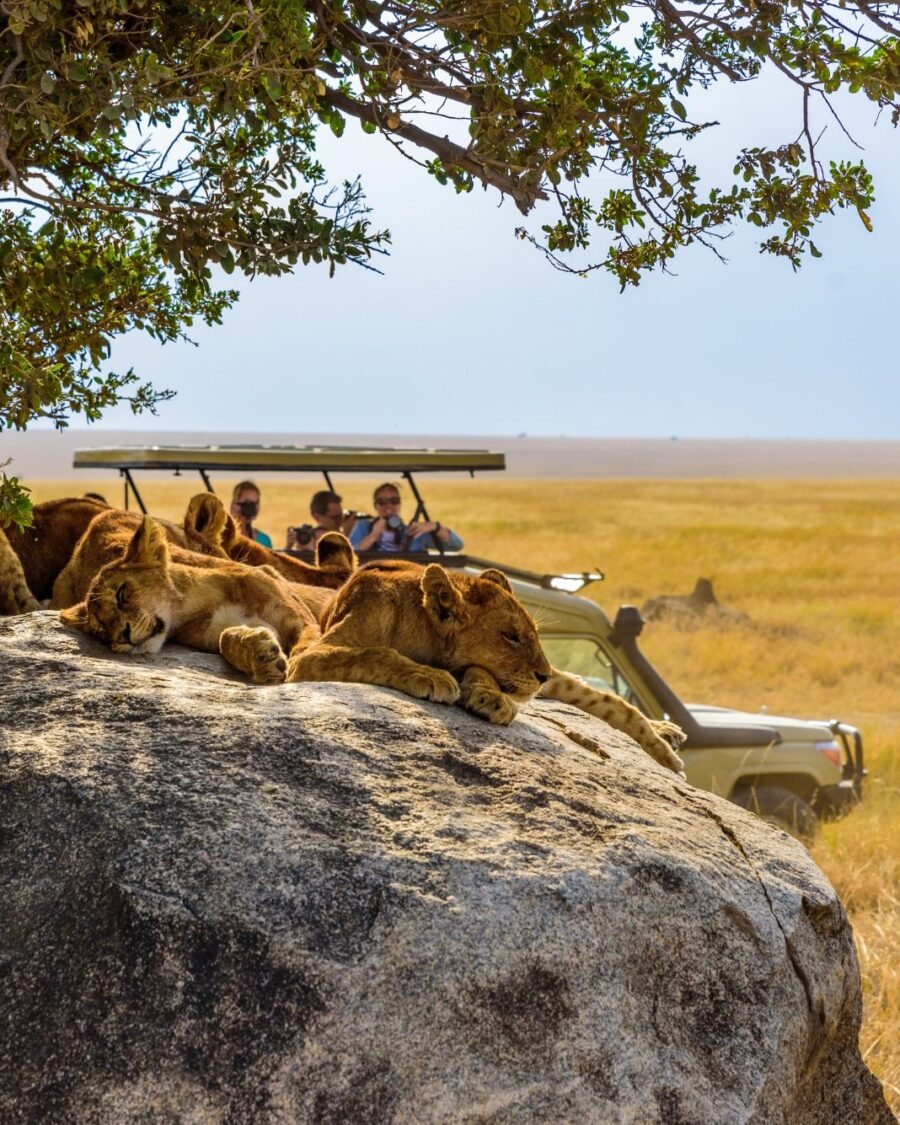 Typically 6 to 9 daysTanzaniaBest of Tanzaniafrom USD 3,250per personSee the itinerary
Longer, shorter, a different month, two countries in one run. Say what you have in mind and a first route and a real price come back within one working day.
Start with a date