Fort Portal and the Crater Lakes
Volcanic lakes, tea to the horizon, and the Rwenzori behind.
The day after the trek
is the one people get wrong.
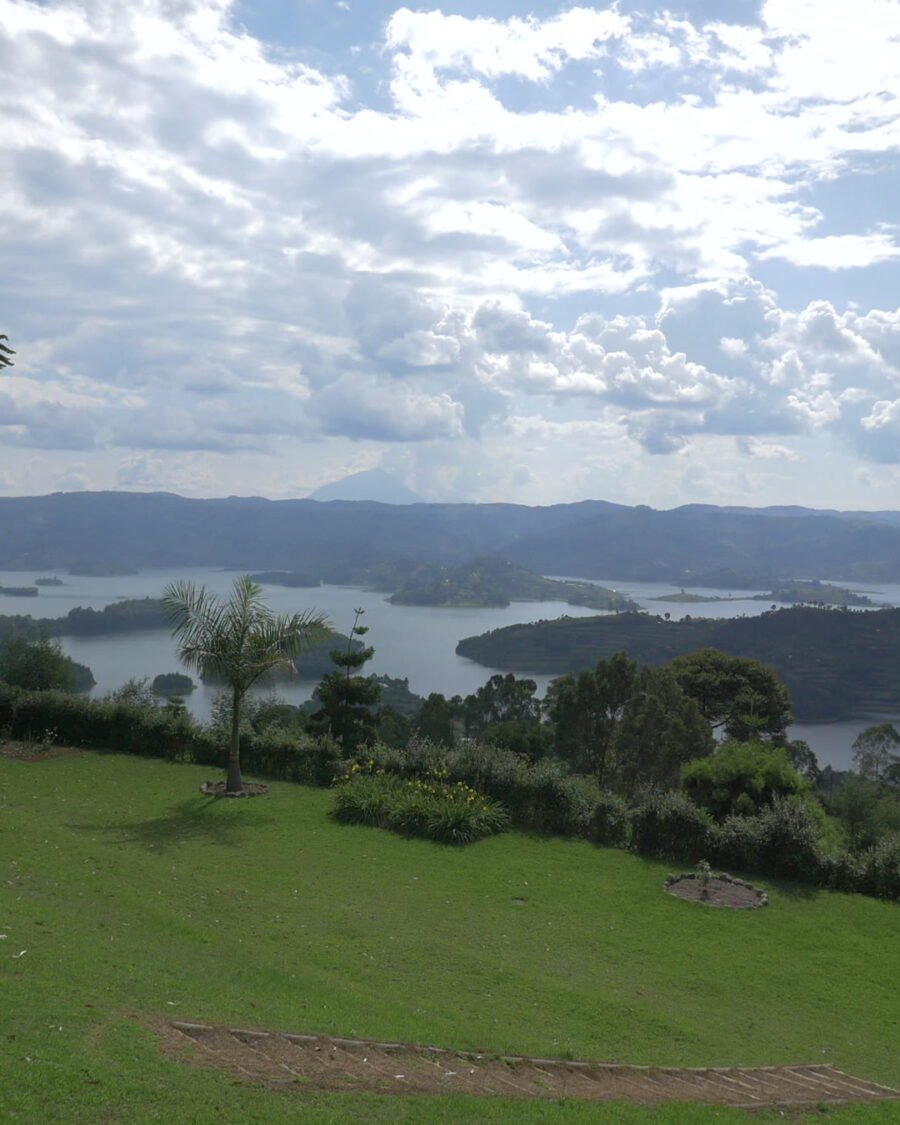
The Ndali-Kasenda field holds around sixty volcanic crater lakes in the hills south of Fort Portal, with tea estates between them and the Rwenzori standing behind. It is the one part of a Uganda itinerary where the point is that nothing is scheduled.
Most Uganda itineraries run hard: long drives, early starts, a forest every other morning. By the second week people are tired in a way they did not plan for, and they spend the flight home saying they wish they had stopped somewhere.
This is where you stop. The crater lakes sit at around 1,500 metres, so the nights are cool and there are no mosquitoes to speak of. There is no bilharzia in most of the lakes and no hippo or crocodile in any of them, so you can swim. The walking between craters is flat, through tea and banana, past people going about a Tuesday.
It is thirty minutes from Kibale, which means it costs you no driving at all to build in. Two nights here in the middle of a fortnight changes the shape of the whole trip, and it is the single most common thing travellers tell us afterwards they are glad we argued for.
Journeys in Fort Portal and the Crater Lakes
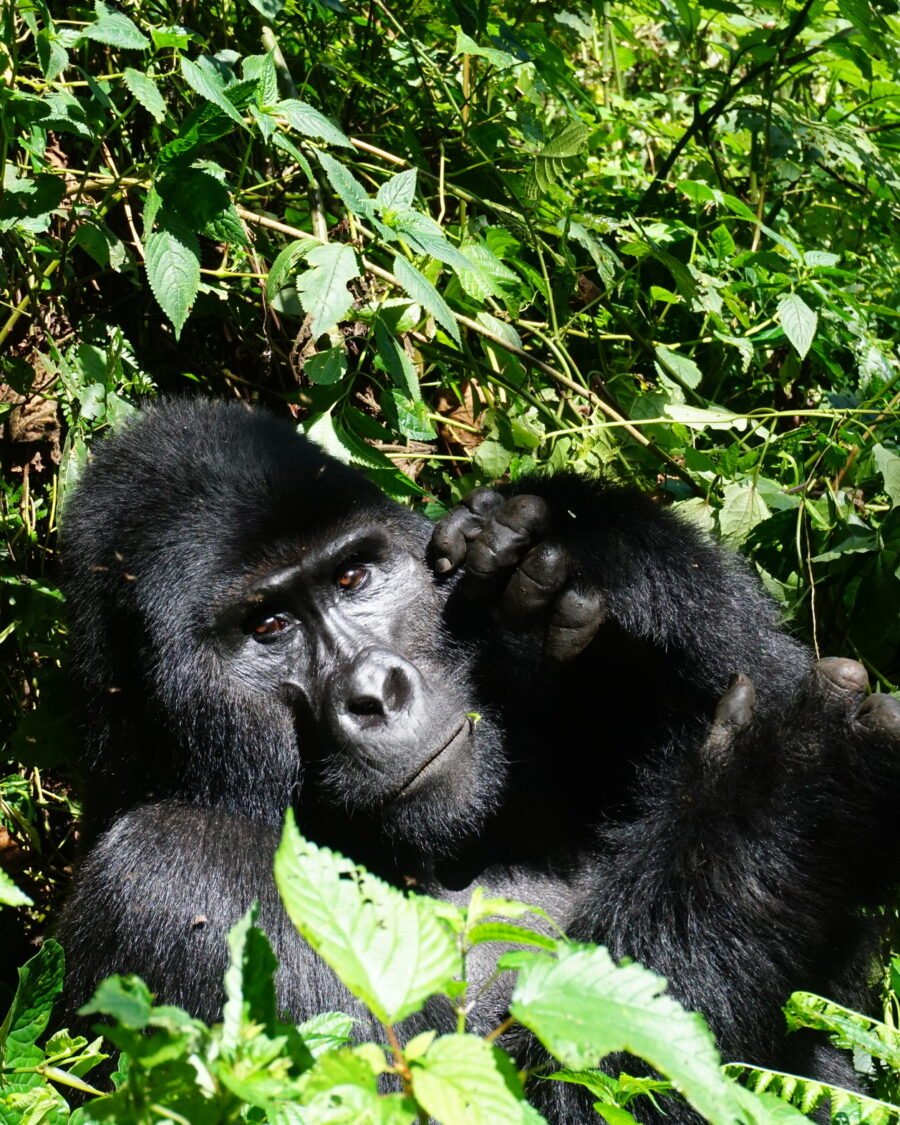 Typically 3 to 5 daysGorilla trekkingUganda Gorilla Trekkingfrom USD 3,450per personSee the itinerary
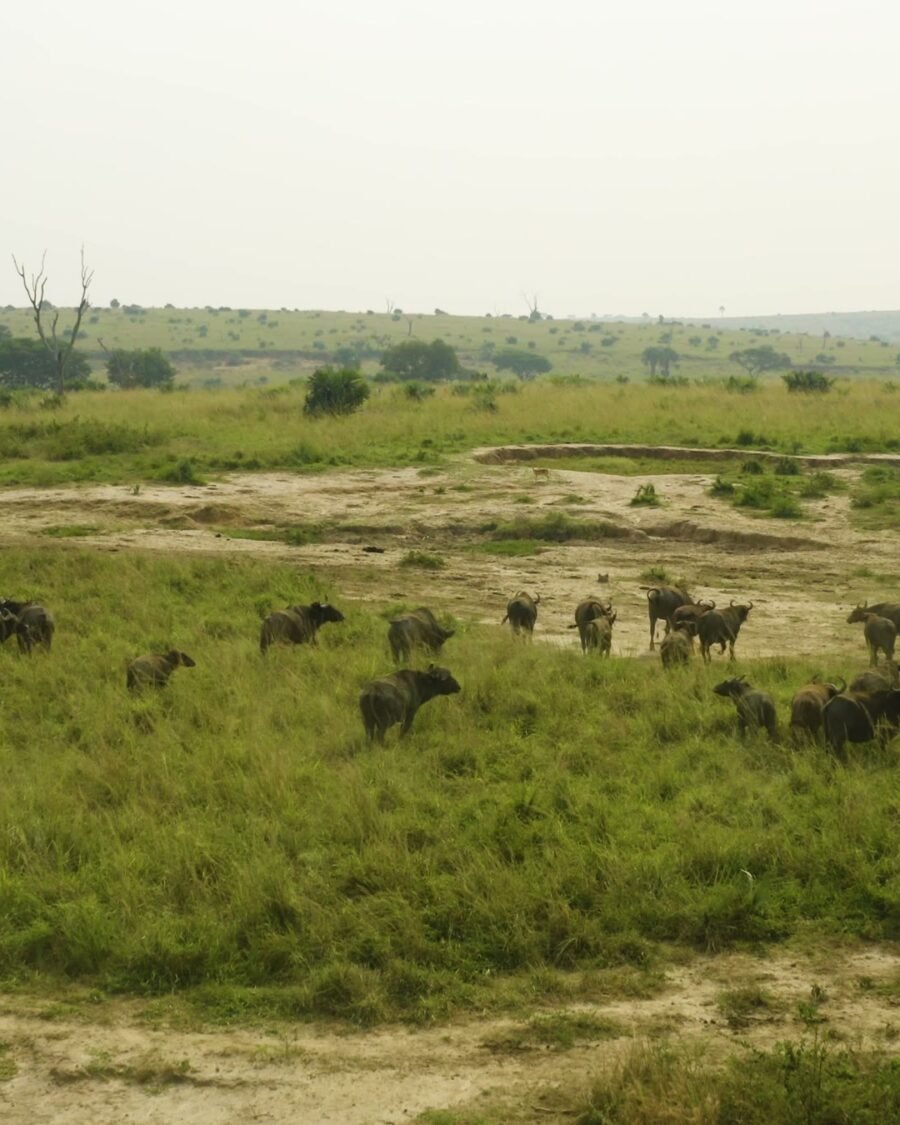 Typically 10 to 14 daysChimpanzee trekkingBest of Ugandafrom USD 3,950per personSee the itinerary
 Typically 7 to 10 daysGorilla trekkingUganda Honeymoon Safarifrom USD 4,200per personSee the itinerary
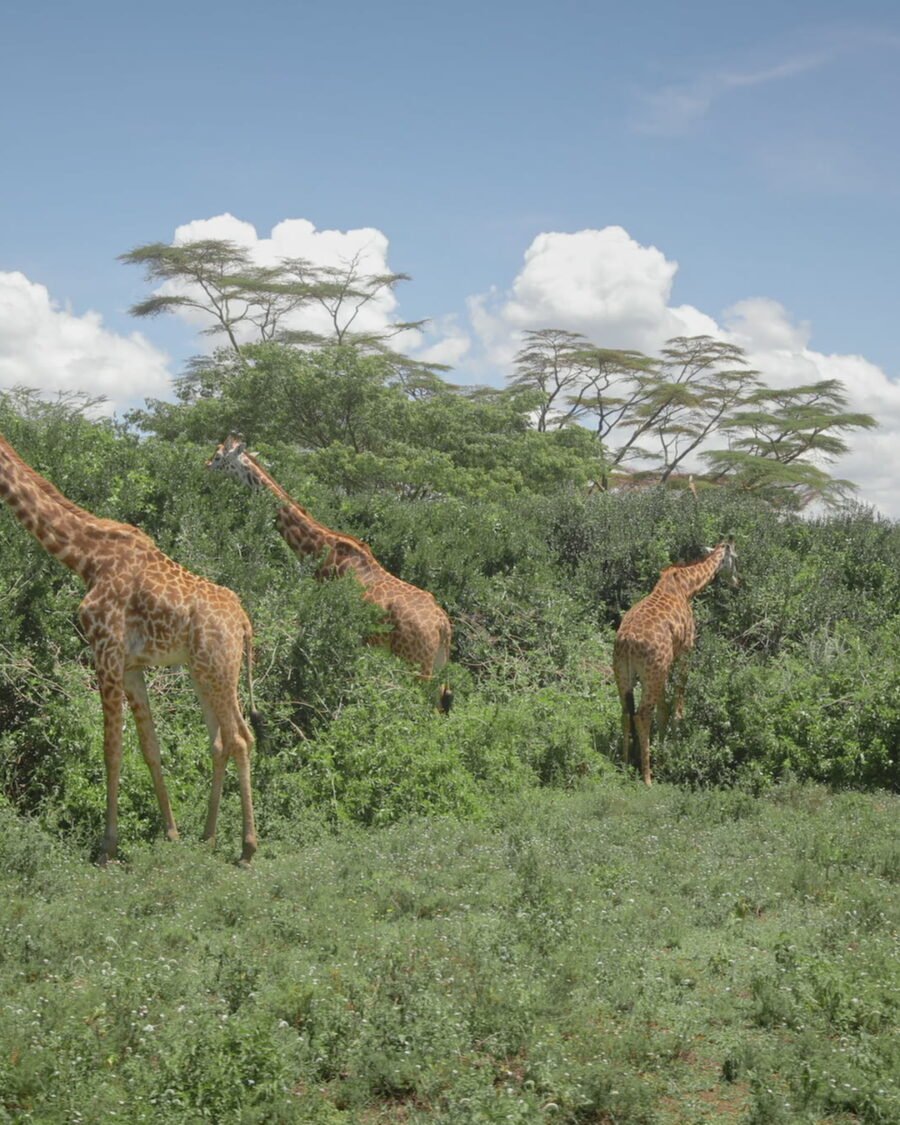 Typically 8 to 12 daysWildlife safariUganda Family Safarifrom USD 3,600per personSee the itinerary
The places worth the drive
Lake Nkuruba
A small, steep-sided crater ringed by forest, with black-and-white colobus in the canopy above the water.
Community-run, swimmable, and about as quiet as Uganda gets.
Lake Nyinambuga
The view that was printed on the 20,000 shilling note. Steep green walls, flat blue water.
Fifteen minutes from the main road and most people have it to themselves.
The tea estates
Kijura and the estates around it, with the Rwenzori behind them when the cloud lifts.
Walked rather than driven. An hour of this is worth three in a vehicle.
Amabere caves
A short walk to caves and a small falls on the edge of town, with a local legend attached that your guide will tell better than this page can.
An easy half morning.
The year in Fort Portal and the Crater Lakes
The long dry season
Firm trails, short grass and predictable roads. The busiest stretch of the year and the easiest walking.
Gorilla permits for these months sell out first, so they are booked before flights rather than after.
The short rains
Rain arrives in the afternoon and rarely lasts the day. Green country, few vehicles.
November carries the USD 600 gorilla permit. If your dates move, this is the best value in the calendar.
The second dry season
Hot and clear. Busy over Christmas and the new year, then quiet through January and February.
February is the driest month in the south and the strongest window for the Rwenzori.
The long rains
The wettest stretch. Harder underfoot, some northern tracks go difficult, a few lodges close.
April and May carry the USD 600 permit, birding peaks, and you will have the forest very nearly to yourself.
What we tell everyone about the crater lakes
Tell us roughly when
hello@wildroutetours.com
A trip designer replies within one working day.