Ten national parks, and a road between every one of them.
That is the whole argument.
Half the world's mountain gorillas live here, and the permit costs $800 against Rwanda's $1,500. Beyond the forest the country runs from snow on the Rwenzori to the point where the Nile leaves Lake Victoria.
Most African safari countries ask you to fly between parks. Uganda does not. The country is the size of Great Britain and the parks sit within a day's drive of each other, so a two week trip can take in gorillas, chimpanzees, the Nile and a savanna park without a single internal flight or a single lost morning in a departure lounge.
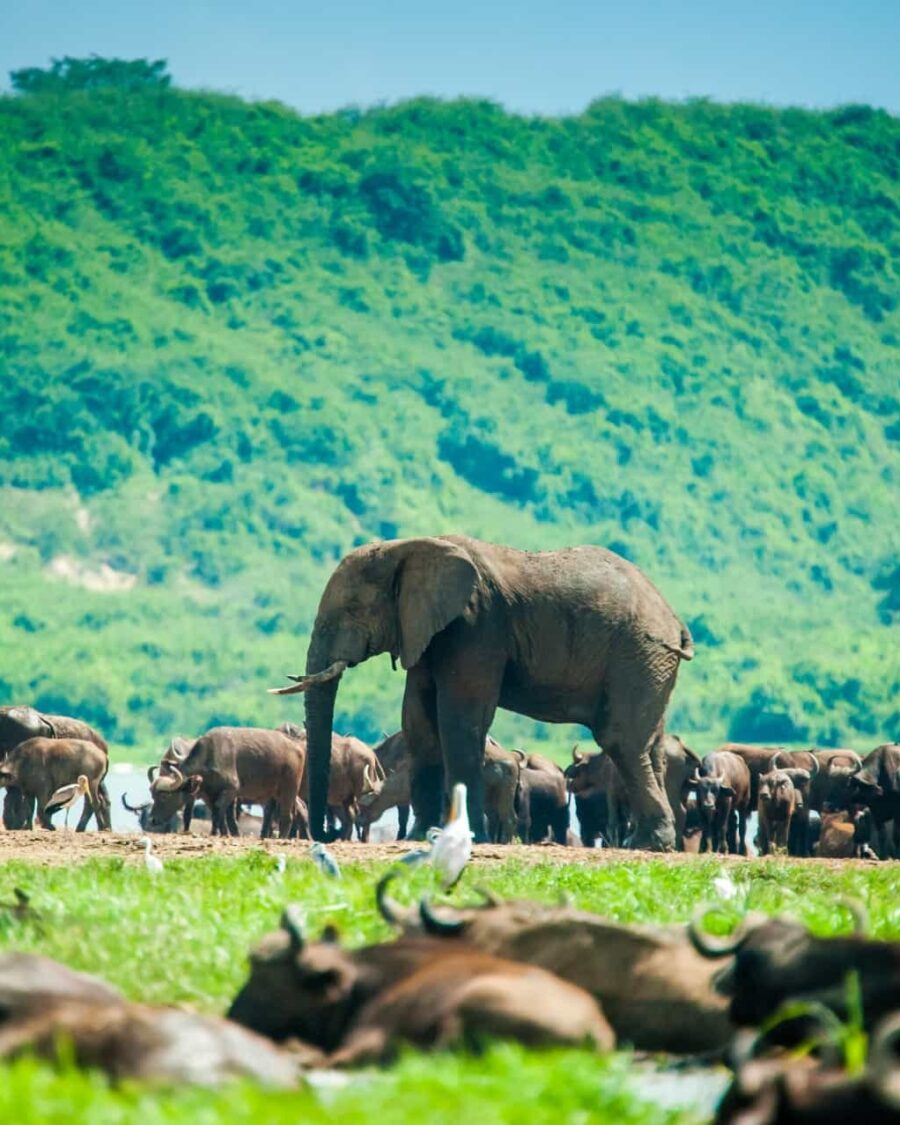
What you get for that is variation no single park delivers. Bwindi is montane rainforest at 2,300 metres. Four hours north, Queen Elizabeth is open savanna with elephant and the Kazinga Channel. Murchison is the Nile forced through a gap seven metres wide. The Rwenzori carry permanent glaciers, on the equator.
The gorilla permit is the number people compare. Uganda charges USD 800, Rwanda charges USD 1,500, and in April, May and November Uganda drops to USD 600. The hour with the gorillas, and the rules around it, are almost the same in both.
Safaris in Uganda
Every departure is private and every itinerary below can be lengthened, shortened or combined with Rwanda or Kenya.
Typically 3 to 5 daysGorilla trekkingUganda Gorilla Trekkingfrom USD 3,450per personSee the itinerary
Typically 10 to 14 daysChimpanzee trekkingBest of Ugandafrom USD 3,950per personSee the itinerary
Typically 7 to 10 daysGorilla trekkingUganda Honeymoon Safarifrom USD 4,200per personSee the itinerary
Typically 8 to 12 daysWildlife safariUganda Family Safarifrom USD 3,600per personSee the itineraryThe places worth the drive
Bwindi Impenetrable Forest
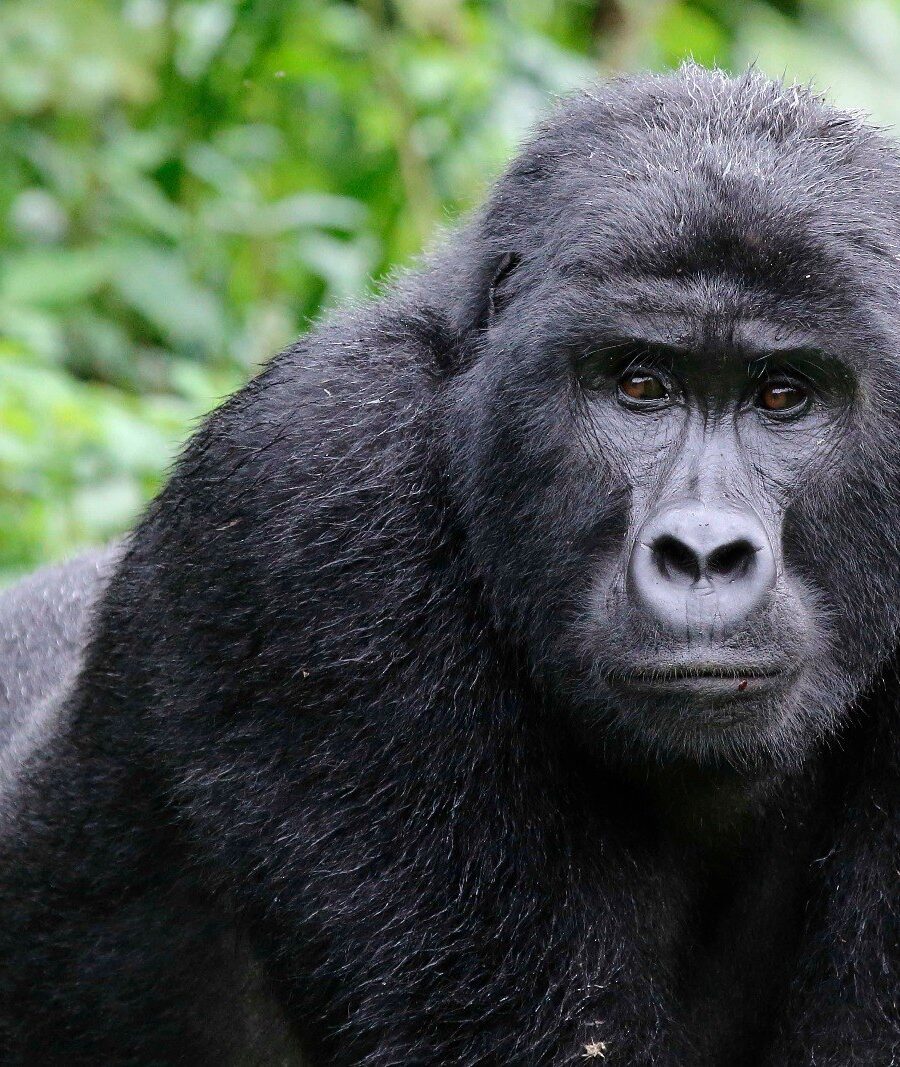
Almost half the world's mountain gorillas, in a forest that has stood since the last ice age.
Four sectors, Buhoma, Ruhija, Rushaga and Nkuringo, hours apart by road. Your permit is for one of them, and the gorilla family is assigned on the morning of the trek.
Queen Elizabeth National Park
Open savanna between two lakes, with the highest concentration of hippo in Uganda along the Kazinga Channel.
The Ishasha sector in the south is where lions lie in fig trees, which they do nowhere else except one corner of Tanzania.
Murchison Falls
The entire Victoria Nile is forced through a cleft seven metres wide and falls 43 metres. You hear it before you see it.
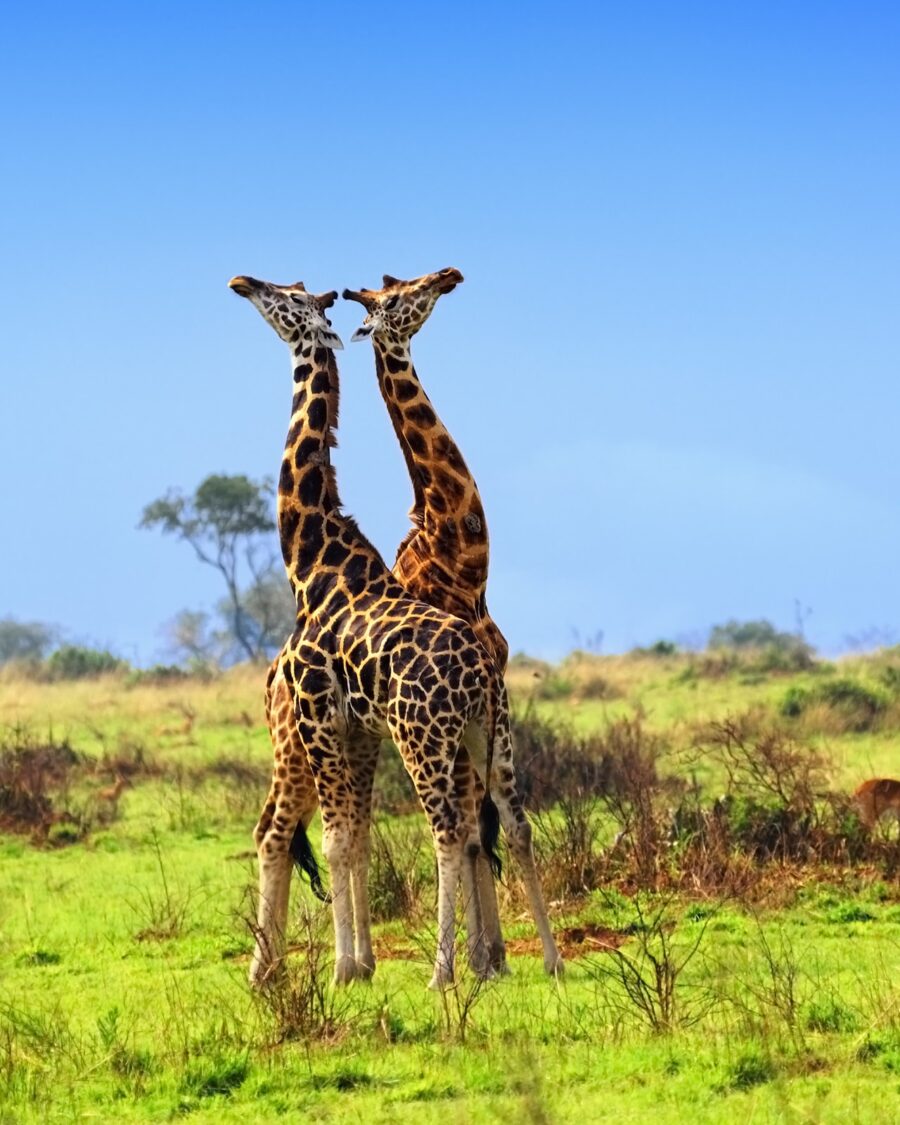
Uganda's largest park, and the best place in the country for Rothschild's giraffe and for a boat to the base of the falls.
Kibale Forest
The highest density of primates in East Africa and the most reliable chimpanzee tracking on the continent.
Habituated communities mean sightings are near certain. The four hour habituation experience puts you with researchers rather than on the standard one hour visit.
Rwenzori Mountains
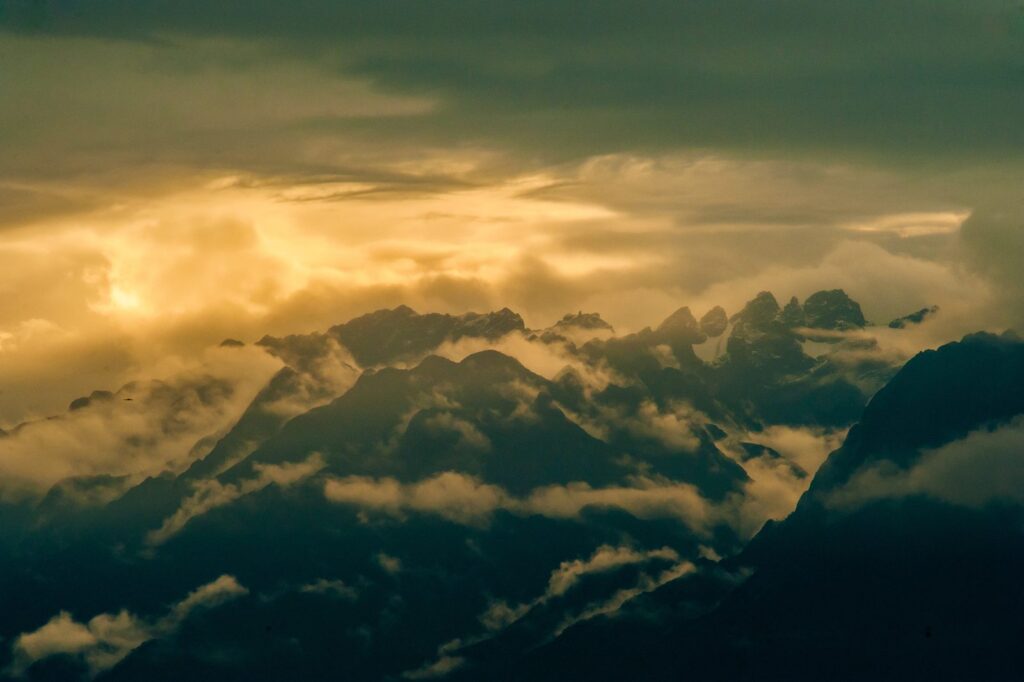
The Mountains of the Moon, rising to 5,109 metres at Margherita Peak, with permanent ice thirty kilometres from the equator.
A serious trek of seven to nine days, or a two day walk into the lower valleys for the giant lobelia and heather forest alone.
Kidepo Valley
In the far north east, 700km from Kampala, with cheetah, ostrich and a herd structure you see nowhere else in Uganda.
It takes a flight or two long days to reach, which is exactly why you can spend a morning without meeting another vehicle.
Lake Bunyonyi
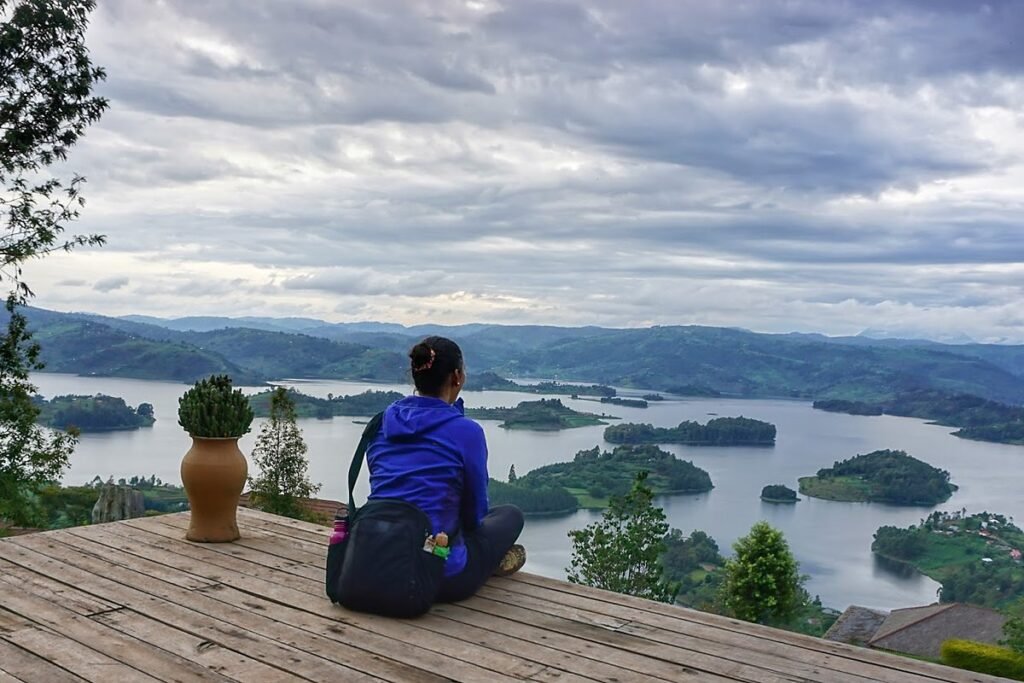
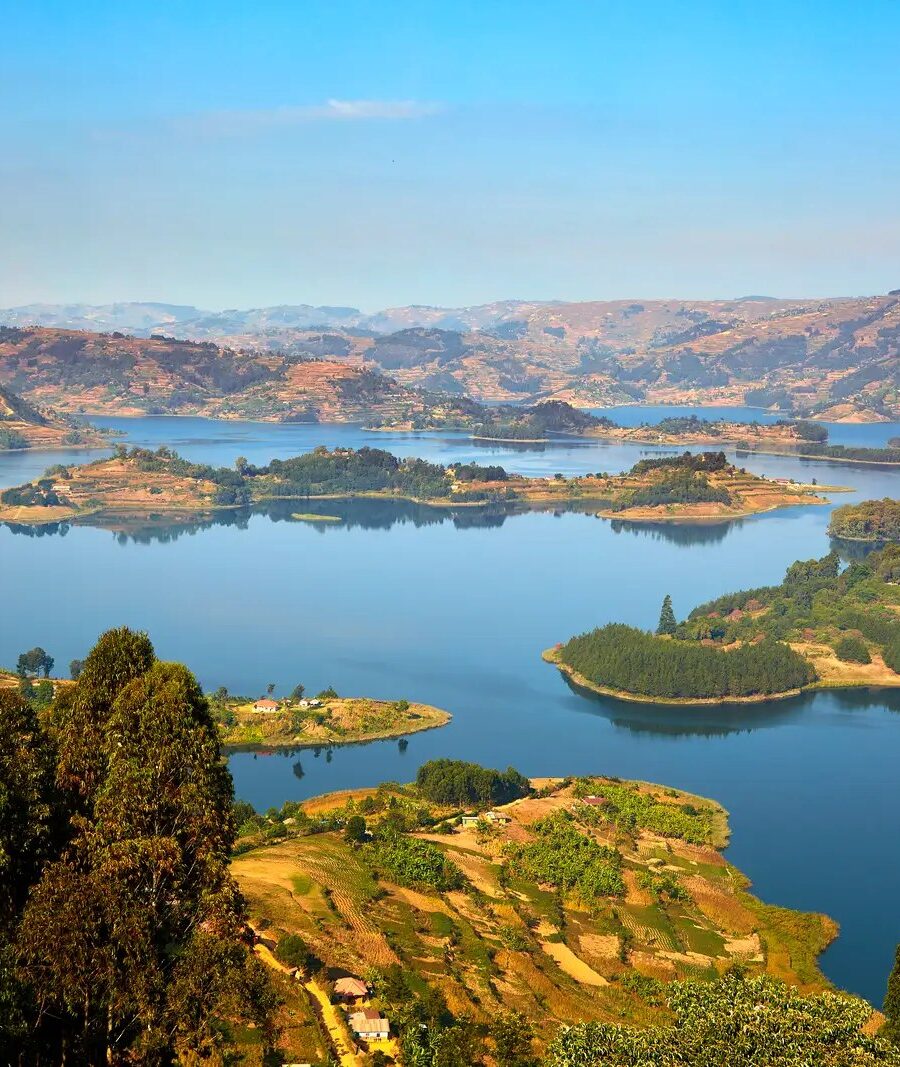
A highland lake at 1,962 metres, with no crocodiles and no hippo.
It is where most people spend the day after a gorilla trek, which is the correct use of it.
Jinja and the source of the Nile
Where the Nile leaves Lake Victoria and starts its 6,650km run to the Mediterranean.
Commercial rafting here is among the best in the world, and the calmer sections are run daily for people who have never held a paddle.
Fort Portal and the Crater Lakes
Around sixty volcanic crater lakes in the hills below the Rwenzori, with tea estates between them.
The lakes we swim in have no hippo and no crocodiles, and we check the bilharzia position first. Thirty minutes from Kibale, and the rest day most itineraries leave out.
Sipi Falls
Three waterfalls off the shoulder of Mount Elgon, the tallest close to 100 metres, looking east over the Karamoja plain.
The slopes below grow Arabica, and the community coffee tour takes you from the tree to the cup in a morning.
Semuliki and the Sempaya hot springs
The only true Congolian lowland rainforest in East Africa, holding 441 bird species, many unseeable elsewhere on this side of the continent.
At Sempaya the water surfaces above 100 degrees and throws a plume two metres high.
The year in Uganda
Uganda sits on the equator, so there is no summer and no winter. What changes is the rain, and what the rain does to the roads and the forest floor.
The long dry season
The busiest months and the easiest walking. Forest trails are firm, the grass in the savanna parks is short so game is easier to see, and the roads are predictable.
Gorilla permits for these months sell out first. Book them before you book flights.
The short rains
Rain arrives in the afternoon and rarely lasts the day. The forest is at its greenest and the parks are quiet.
November is a low season month for gorilla permits, at USD 600. If your dates are flexible this is the best value in the year.
The second dry season
Hot, clear and busy over Christmas and the new year, then quieter through January and February.
February is the driest month in the south and a strong time for the Rwenzori, where the trek depends entirely on the weather.
The long rains
The wettest stretch of the year. Trekking is harder underfoot, some tracks in Murchison and Kidepo become difficult, and a few lodges close.
April and May carry the USD 600 permit. Birding is at its best and you will have the forest almost to yourself.
What we tell everyone
Tell us roughly when
hello@wildroutetours.com
A trip designer replies within one working day.