Serengeti safari: when to go, where to stay and what you will see
Private Serengeti safaris, planned around when you travel: wildebeest calving at Ndutu from January to March, or crossing the Mara River from August to September.
The Serengeti, mapped: the national park, Ndutu and the reserves around them
Serengeti National Park sits at the heart of the Serengeti-Mara ecosystem, with the Ngorongoro Conservation Area to the south-east and game reserves to the west and north. Choose an area, or a camp, to see what it lets you do. Camps that move with the herds are listed under Where to stay.
Parts of the Serengeti
Camps on the mapOur guide to price level; ask us for rates for your dates.
14,763 square kilometres of northern Tanzania, the heart of the Serengeti-Mara ecosystem and a UNESCO World Heritage Site. The herds spend most of the year here.
Walking safaris, with a qualified guide, booked and paid for through the park
No night drives in the national park itself
Vehicles: keep to the park's roads
Bush meals: only in designated zones, arranged in advance
Park fee, set by TANAPA: around USD 70 a day for an international adult, TANAPA says; valid for 24 hours from entry
Run by the Ngorongoro Conservation Area Authority
Ndutu, in the Ngorongoro Conservation Area
The short-grass plains on the southern edge of the Serengeti, around Lakes Ndutu and Masek, where the herds usually calve.
When to go: from the end of December, when the herds arrive, until April, the Authority says
Calving: usually January to March, TANAPA says; thousands of wildebeest calves are born at Ndutu, the Authority says
Where to stay: lodges, tented camps and special campsites
All year: resident wildlife, the Authority says, elephants among them
Serengeti National Park, far north · Camp 1
Lamai Serengeti
Price level: Luxury
12 open-fronted rooms in two lodges around the Kogakuria Kopje, above the grasslands of the northern Serengeti, in the part of the park the Mara River crosses. On the map: its area, not its exact spot.
12 tents, one a two-bedroom family tent, on a kopje of its own near the Moru Kopjes in the south-central Serengeti. On the map: its area, not its exact spot.
These camps are marked at their exact spot. Choose one to read about it.
Map key
Camps marked by area only
We know only the area these camps are in, so their open markers show the area, not the exact spot. Choose one to read about it.
02
Where to stay in the Serengeti, area by area
The wildebeest move through the year, so the right camp depends on your month: Ndutu and the south for the calving, the north for the Mara River crossings, the centre on the way between them. Some camps move with the wildebeest.
Price level: LuxuryPrice level: Mid-rangeOur guide to price level; ask us for rates for your dates.
The northern Serengeti
From Lobo north to the Mara River and the border with Kenya.
Lamai Serengeti
Northern Serengeti
Price level: Luxury
12 rooms in 2 lodges
A family room
Open June to mid-March
Best for: Walks from camp when the grass is short, the camp says, and the Mara River, where wildebeest and zebra cross between July and October.
Look elsewhere if: you are travelling from mid-March to May, when it is closed.
Serengeti Bushtops
Northern Serengeti
Price level: Luxury
15 suites, 2 for families
Children from 7
Kogatende airstrip
Best for: Families with children from 7: two family tents, each two full tents joined by a bridge, and each sleeping up to eight.
Look elsewhere if: you have children under seven, or are travelling in May or parts of April, when it is closed.
Serengeti Migration Camp
Ndasiata Hills
Price level: Luxury
20 tents
4 tents take 2 children each
Lobo airstrip, a 40-minute drive
Best for: Walking safaris with a professional walking guide, and hippos in the river beside camp.
Look elsewhere if: your children are under 16 and you want to walk: age limits apply to walks.
The central and western Serengeti
The Moru Kopjes south-west of Seronera, and the remote western reaches of the park, near the Grumeti River.
Serengeti Pioneer Camp
Moru Kopjes
Price level: Luxury
12 tents, 1 for families
Seronera airstrip, a 50-minute drive
Best for: Guided walks of two or four hours, and views over the Moru Kopjes and the plains.
Look elsewhere if: you want to be near the Mara River crossings: they are in the far north.
andBeyond Grumeti Serengeti River Lodge
Western Serengeti
Price level: Luxury
10 suites, 1 for families
Children of all ages
Best for: A quieter corner of the park, andBeyond says, a private plunge pool, and hippos in the river below.
Look elsewhere if: your children are under 16 and you want to walk: walks are for 16 and over.
Ndutu, in the Ngorongoro Conservation Area
On the edge of the southern Serengeti plains, where the wildebeest usually calve.
Ndutu Safari Lodge
Lake Ndutu
Price level: Mid-range
34 cottages
Children welcome
Ndutu airstrip, 1 km away
Best for: Being on the short-grass plains for the calving season, overlooking Lake Ndutu.
Look elsewhere if: you would rather sleep under canvas: its rooms are stone cottages.
Camps that move around the Serengeti with the wildebeest
Tented camps on sites inside the park, moved through the year to stay near the wildebeest. They are not on the map because their sites change.
Ubuntu Migration Camp
Northern and southern Serengeti
Price level: Luxury
10 tents, 1 for families
Children from 5
North June to mid-Nov, south mid-Dec to mid-Mar
Best for: The wildebeest in both of its seasons: in the north, by the Mara River, from June to mid-November, and on the calving grounds in the south from mid-December to mid-March, with walks in the north from age 12.
Look elsewhere if: you are travelling from mid-March to May, or mid-November to mid-December, when it is closed.
andBeyond Serengeti Under Canvas
Moves with the wildebeest
Price level: Luxury
2 camps of 9 tents
Children from 6
Best for: A small camp on a private site, and families: one family tent in each camp.
Look elsewhere if: you have children under six: they are not allowed.
Serengeti Safari Camp
Moves with the wildebeest
Price level: Luxury
6 tents and a family tent
Children from 8
Open all year
Best for: A very small camp, open all year, moved four to five times a year to stay within reach of the wildebeest.
Look elsewhere if: you have children under eight.
Facts: the camps' websites, read in October 2026. We book every camp here; ask which suits your dates.
03
Things to do in the Serengeti, from walking safaris to fly camps
Walk with a guide, sleep out in a fly camp, see rock paintings and historical sites of the Maasai, Ikoma and other peoples, or watch the wildebeest calve at Ndutu and cross the Mara River: here is what the Serengeti offers, and where each happens.
Walking, fly camping, rock paintings, community visits and birding in the Serengeti
01
Walk with a guide
TANAPA allows walking safaris in the national park with a qualified guide, booked and paid for through the park. Lamai Serengeti walks from camp when the grass is short, Serengeti Pioneer Camp offers walks of two or four hours, andBeyond Grumeti Serengeti River Lodge takes walkers aged 16 and over, and Ubuntu Migration Camp, on its northern site, walkers aged 12 and over.
TANAPA's Serengeti tariff lists fly camping as a stay of its own, with its own fee; we arrange it with the park and your camp. TANAPA's camping rules say a ranger must escort campers outside camp at night.
03
See the park's rock paintings and historical sites
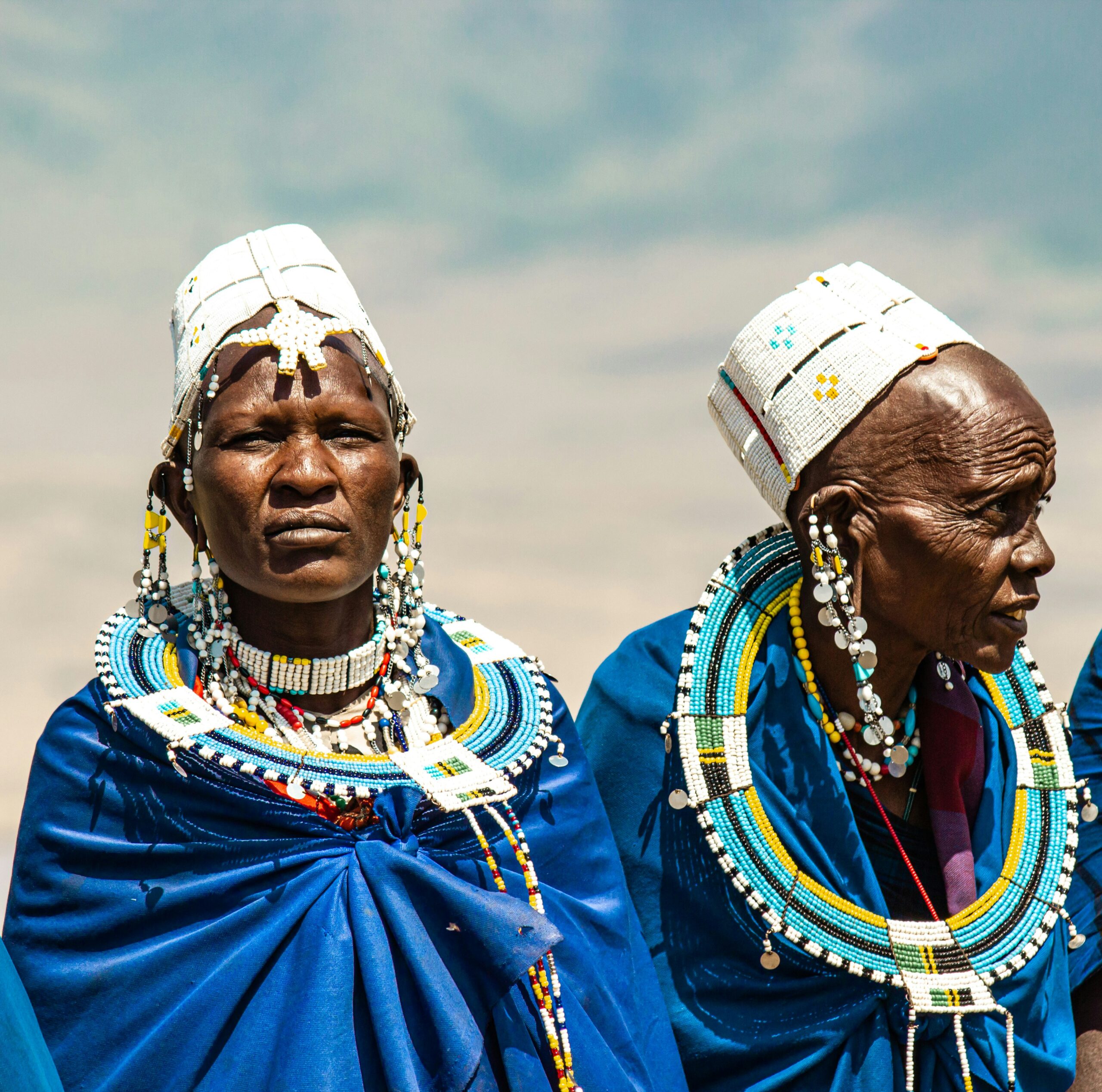
The park holds visible traces of the Maasai, the Ikoma and other peoples, in rock paintings and historical sites, TANAPA says. Ask your guide which are near your camp.
04
Visit a local community
TANAPA lists cultural tours among the park's activities, and andBeyond Grumeti Serengeti River Lodge offers community visits.
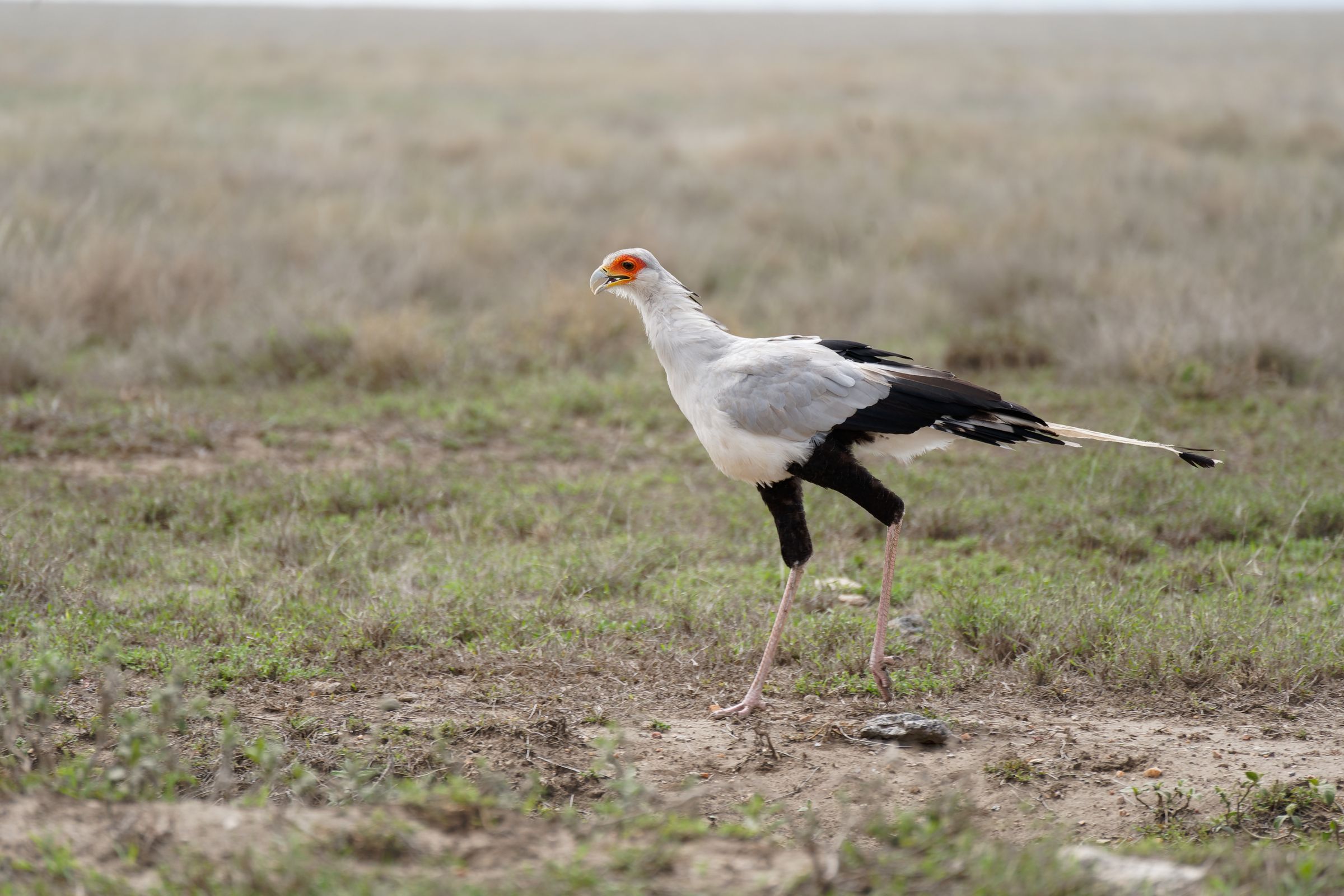
On a private safari you can stop for birds as often as for animals: TANAPA counts more than 500 species in the park, many of them migrants.
Wildebeest calving at Ndutu, Mara River crossings, bush meals, and night drives at Tarangire
See the wildebeest calve
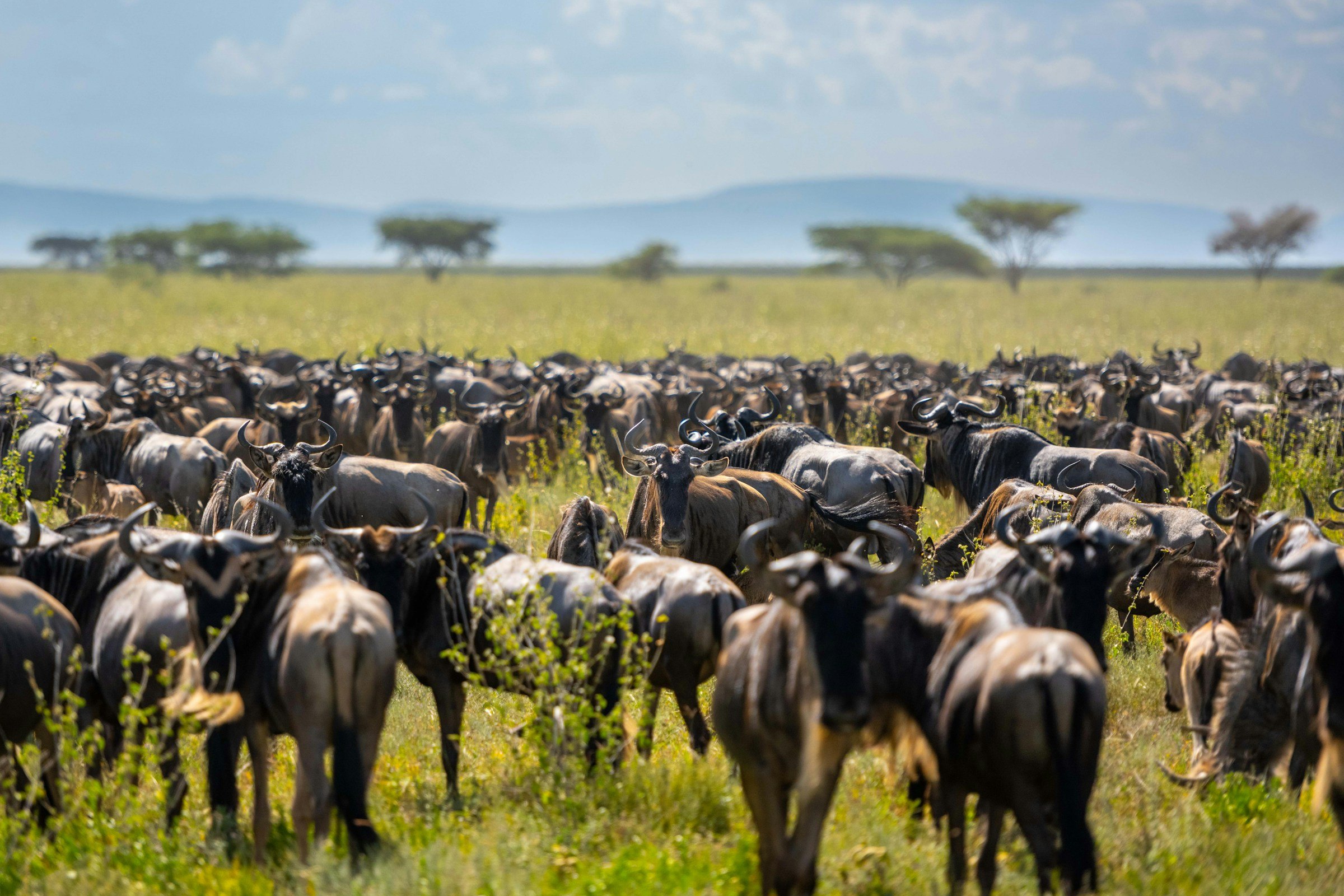
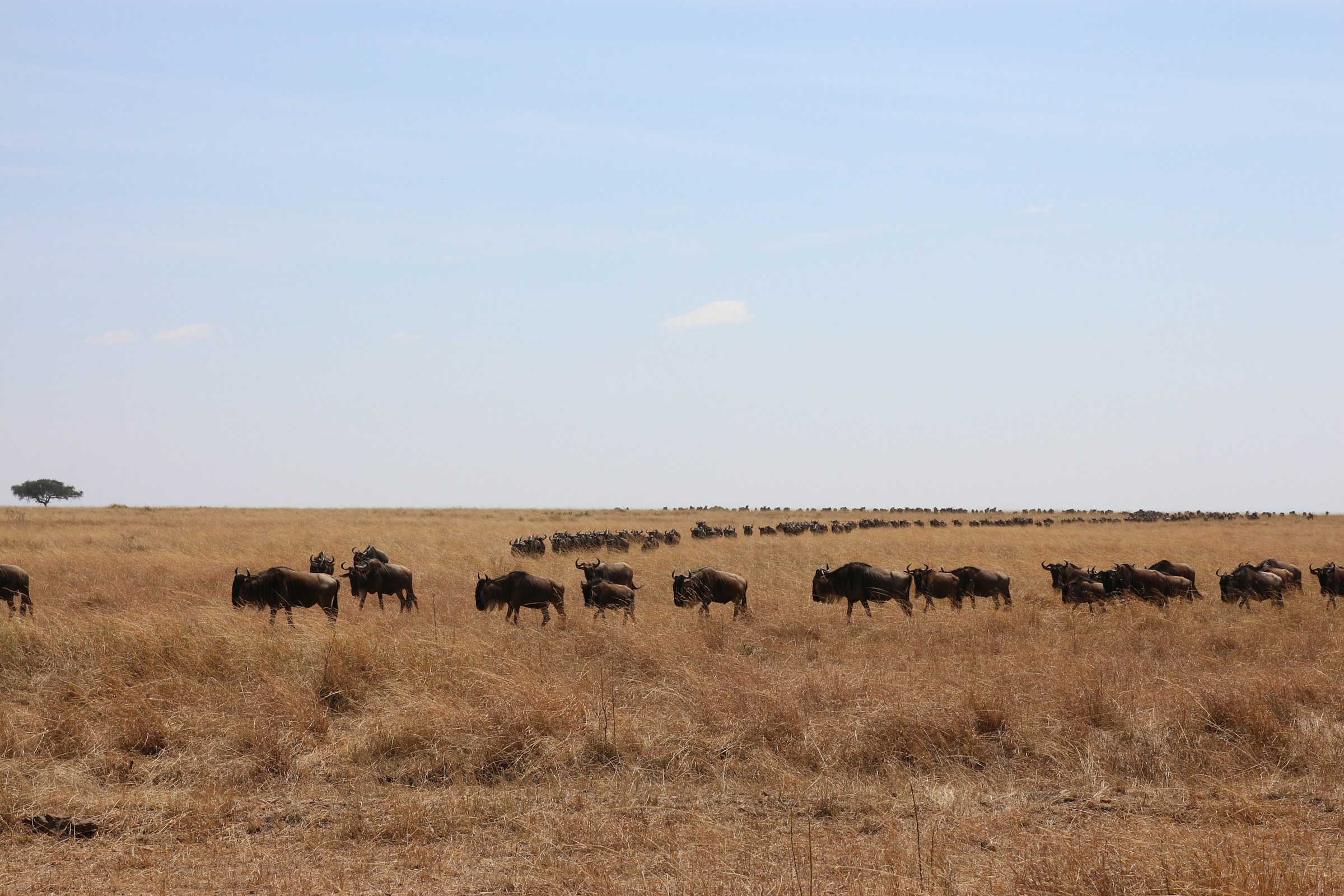
The wildebeest usually calve from January to March in the southern Serengeti and the Ngorongoro Conservation Area, TANAPA says; thousands of calves are born at Ndutu, the Ngorongoro Conservation Area Authority says.
Ndutu
Watch the herds cross the Mara River
TANAPA gives August to September for the Mara River crossing, watched from set points, each with a limit on vehicles.
Northern Serengeti
Meals in the bush
Bush meals are allowed only in designated safe zones, under the supervision of TANAPA rangers and guides, and must be arranged in advance.
Serengeti National Park
Night drives: not in Serengeti National Park, but at Tarangire
There are no night drives in Serengeti National Park itself. TANAPA offers night game drives at Tarangire, which you can add to your trip.
Tarangire
Sources: TANAPA's park record, activity pages and Serengeti tariff; the camps' websites, read in October 2026.
04
Where the Serengeti's wildebeest are, month by month
Choose the month you can travel: the map lights up where the wildebeest usually are, and the panel says where to stay. It opens on the current month. Rain moves the herds, so some years run early or late.
Herds in the SerengetiHerds in the Serengeti and Kenya's Masai MaraHeavy rain (the long rains)Some rain (wet season)
The herds are usually on the southern plains around Ndutu, in the rains, and calving builds towards February.
On the southern plains around Ndutu
Where the herds usually areOn the southern plains around Ndutu
Where to stayNdutu and the southern plains
RainWet season, some rain
How busyQuieter than July and August
February
Calving season: thousands of calves are born at Ndutu, the Ngorongoro Conservation Area Authority says.
On the southern plains around Ndutu: calving
Where the herds usually areOn the southern plains around Ndutu: calving
Where to stayNdutu and the southern plains
RainWet season, some rain
How busyQuieter than July and August
March
The herds are usually still on the southern plains as the long rains begin.
On the southern plains around Ndutu
Where the herds usually areOn the southern plains around Ndutu
Where to stayNdutu and the southern plains
RainHeavy rain, the long rains
How busyQuieter than July and August
April
The herds usually begin to move north from the southern plains (TANAPA: April to May).
Leaving the southern plains, moving north
Where the herds usually areLeaving the southern plains, moving north
Where to stayThe southern plains, or the centre
RainHeavy rain, the long rains
How busyQuieter than July and August
May
The herds usually move north through the central Serengeti, and in some years on into the Western Corridor.
Moving north through the central Serengeti
Where the herds usually areMoving north through the central Serengeti
Where to stayThe central Serengeti
RainHeavy rain, the long rains
How busyQuieter than July and August
June
The herds are usually in the Western Corridor, where TANAPA places the Grumeti River crossing in June and July.
In the Western Corridor, crossing the Grumeti River
Where the herds usually areIn the Western Corridor, crossing the Grumeti River
Where to stayThe Western Corridor
RainDry season
How busyQuieter than July and August
July
The herds usually move from the Western Corridor north towards the Mara River. July and August are the park's peak months for visitors.
From the Western Corridor towards the Mara River
Where the herds usually areFrom the Western Corridor towards the Mara River
Where to stayThe Western Corridor, or the north
RainDry season
How busyThe busiest months, July and August
August
The herds are usually in the northern Serengeti and across the border in Kenya's Masai Mara. TANAPA gives August to September for the Mara River crossing.
In the northern Serengeti and Kenya's Masai Mara
Where the herds usually areIn the northern Serengeti and Kenya's Masai Mara
Where to stayThe northern Serengeti
RainDry season
How busyThe busiest months, July and August
September
Mara River crossings continue in the northern Serengeti and in Kenya's Masai Mara.
In the northern Serengeti and Kenya's Masai Mara
Where the herds usually areIn the northern Serengeti and Kenya's Masai Mara
Where to stayThe northern Serengeti
RainDry season
How busyQuieter than July and August
October
The herds begin heading south again (TANAPA: October to November), though the north still holds them in many years.
The northern Serengeti, starting back south
Where the herds usually areThe northern Serengeti, starting back south
Where to stayThe northern Serengeti
RainDry season
How busyQuieter than July and August
November
The herds usually come south down the eastern side of the park as the short rains begin.
The eastern Serengeti, heading south
Where the herds usually areThe eastern Serengeti, heading south
Where to stayA camp that moves with the wildebeest
RainWet season, some rain
How busyQuieter than July and August
December
The herds come back to the southern plains and reach Ndutu from the end of December, the Ngorongoro Conservation Area Authority says.
Back on the southern plains
Where the herds usually areBack on the southern plains
Where to stayNdutu and the southern plains
RainWet season, some rain
How busyQuieter than July and August
Herds: TANAPA's migration page and brochure map; the Ngorongoro Conservation Area Authority; Torney and others 2018. Rain: TAWIRI's 2023 census report (wet November to May, the most rain March to May). Busiest months: the Serengeti Biodiversity Program.
05
A day on safari in the Serengeti, from first light
What a day in the national park looks like, with the rules TANAPA sets for it.
Out at first light
TANAPA recommends early morning and late afternoon for seeing wildlife.
Vehicles keep to the park's roads.
On the plains
You watch from inside the vehicle, with your guide.
Do not feed animals or try to approach them closely, TANAPA's rules say.
Breakfast in the bush
Bush meals are served only in designated zones, arranged in advance, under the supervision of TANAPA rangers and guides.
Back at camp
Lunch and the hottest hours at camp.
On foot, with a guide
A walking safari, booked and paid for through the park.
Wear muted colours and closed shoes, TANAPA advises.
The second game drive
Out again until the light goes.
In camp
There are no night drives in the national park itself.
If you camp, TANAPA's rules say a ranger must escort you outside camp at night.
Rules: Tanzania National Parks' visitor guide, park rules and activity pages (game drives, bush meals, walking safaris, camping).
06
The Mara River crossings in the northern Serengeti, and TANAPA's rules for watching them
TANAPA posts a limit at each of its 16 crossing points on the Mara River: how many vehicles may wait there, and how far back from the bank. Most crossings now take place in Tanzania, says the Mara Conservancy, which runs Kenya's Mara Triangle.
Vehicles allowed at each crossing point
Point 0A140 m back from the bank
70
Point 0B80 m back from the bank
60
Point 140 m back from the bank
30
Point 2A30 m back from the bank
40
Point 2B30 m back from the bank
30
Point 330 m back from the bank
30
Point 430 m back from the bank
60
Point 530 m back from the bank
40
Point 6A30 m back from the bank
50
Point 6B30 m back from the bank
50
Point 7A40 m back from the bank
40
Point 7B60 m back from the bank
40
Point Makutano60 m back from the bank
60
Point 860 m back from the bank
60
Point 940 m back from the bank
30
Point 1040 m back from the bank
30
16crossing points, each with its own limit, in TANAPA's guideline
30 to 140 mthe closest a vehicle may wait, depending on the point
Stay in the vehicleat all times, the guideline says, unless in an emergency
One side onlyof the river at each crossing point, as TANAPA's guideline sets it
Sources: TANAPA, Mara River Migration Crossings Guideline (the per-point table); TANAPA Public Notice No. 11/2026; the Mara Conservancy, January 2026.
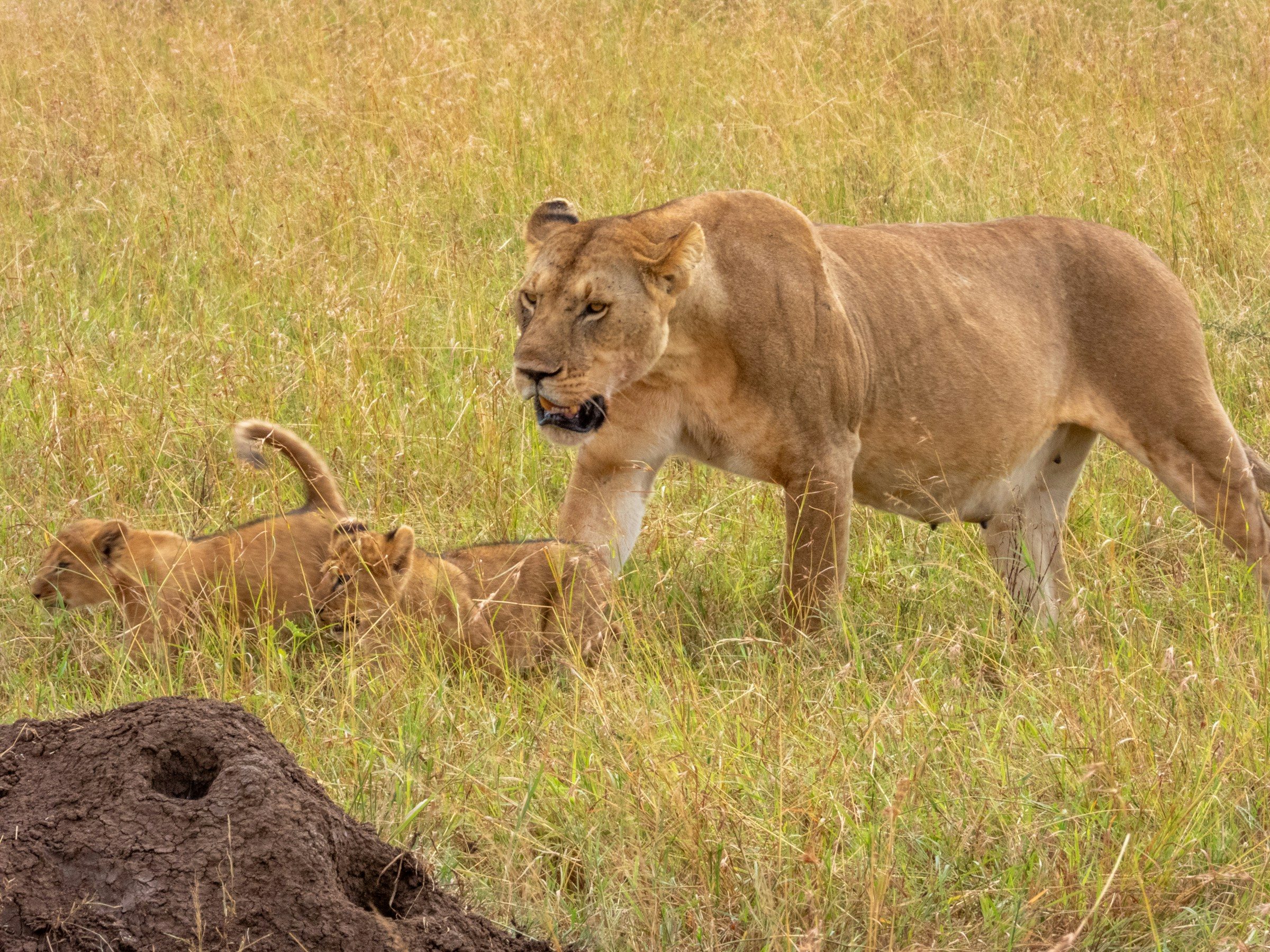
The counts come from the Tanzania Wildlife Research Institute (TAWIRI), TANAPA and the IUCN Red List. Nobody can promise you any one animal, least of all a leopard.
1,366,109
Wildebeest in the 2023 count
TAWIRI's aerial census of the Serengeti-Mara herds, flown at the end of March 2023, give or take 231,741.
VulnerableAbout 17,000
Lions in all of Tanzania
TAWIRI's figure, citing the IUCN (2023). We found no lion count for the Serengeti alone.
VulnerableAbout 24,000
Leopards in all of Tanzania
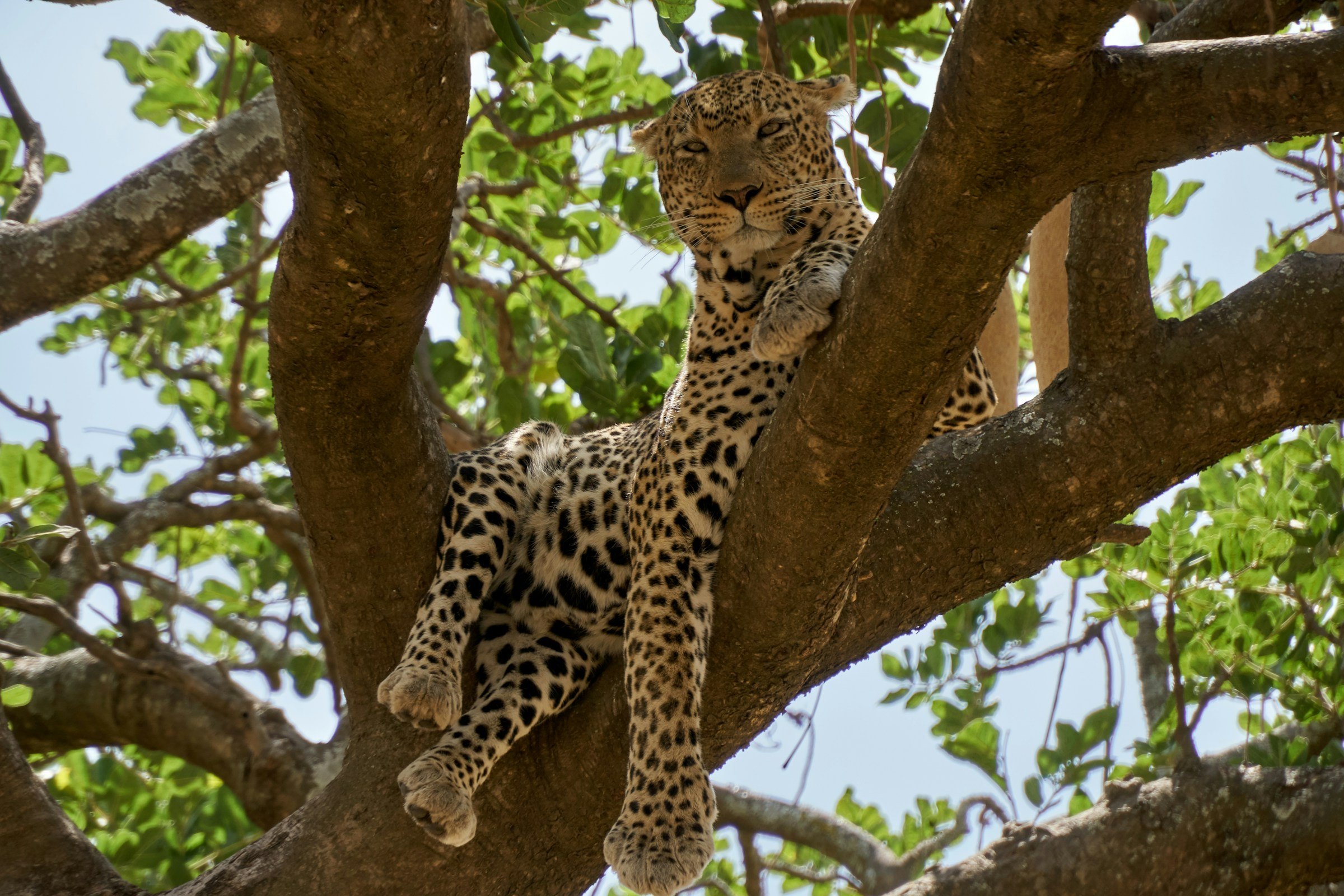
TAWIRI's figure, citing the IUCN (2023). Mostly nocturnal, so nobody can promise one.
Vulnerable6,674
Mature cheetahs left in the wild, worldwide
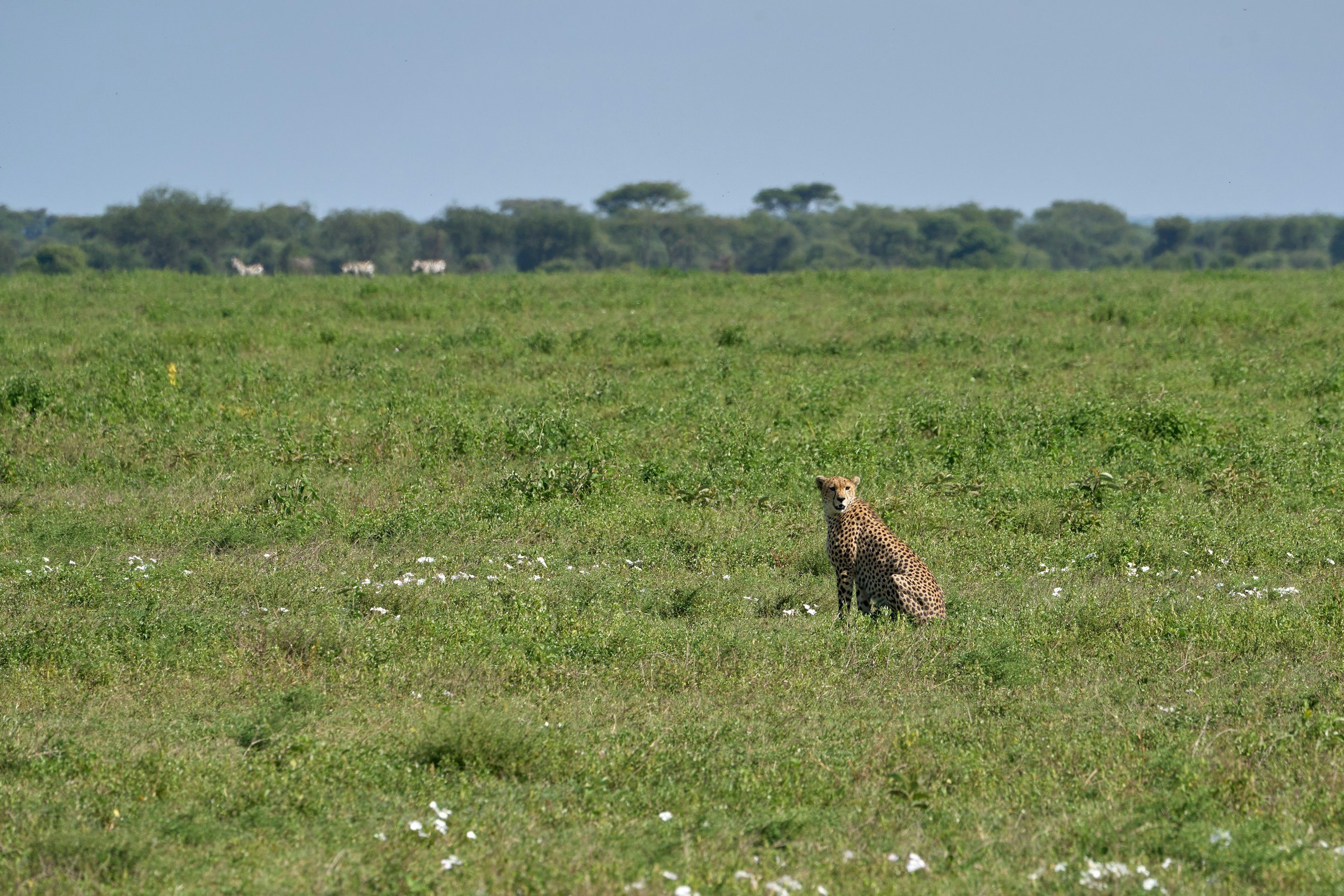
The IUCN Red List's count, and falling (assessed 2014).
Reintroduced
Black rhinos
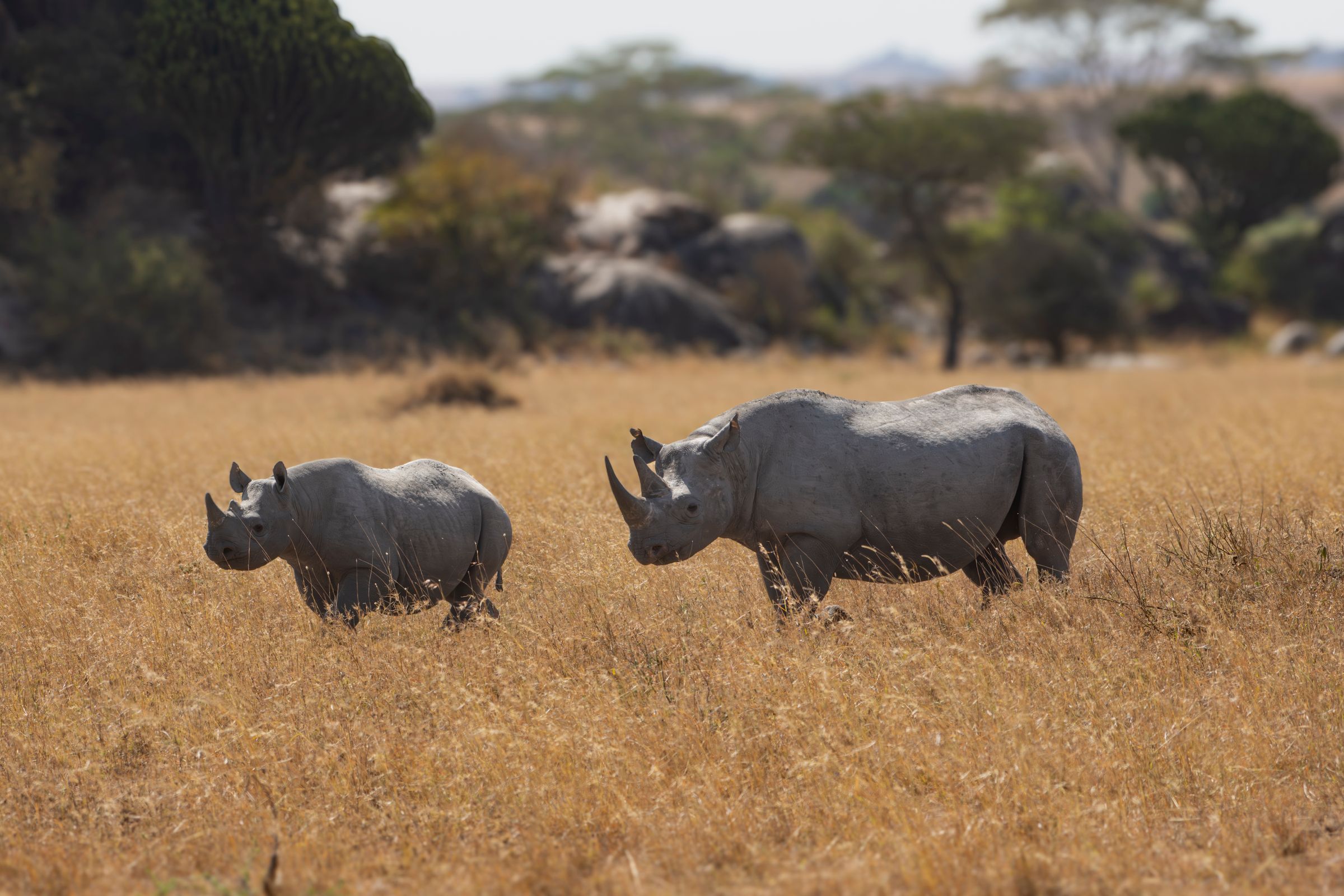
TANAPA has reintroduced black rhino in the north and the south of the park.
500+
Bird species in the park
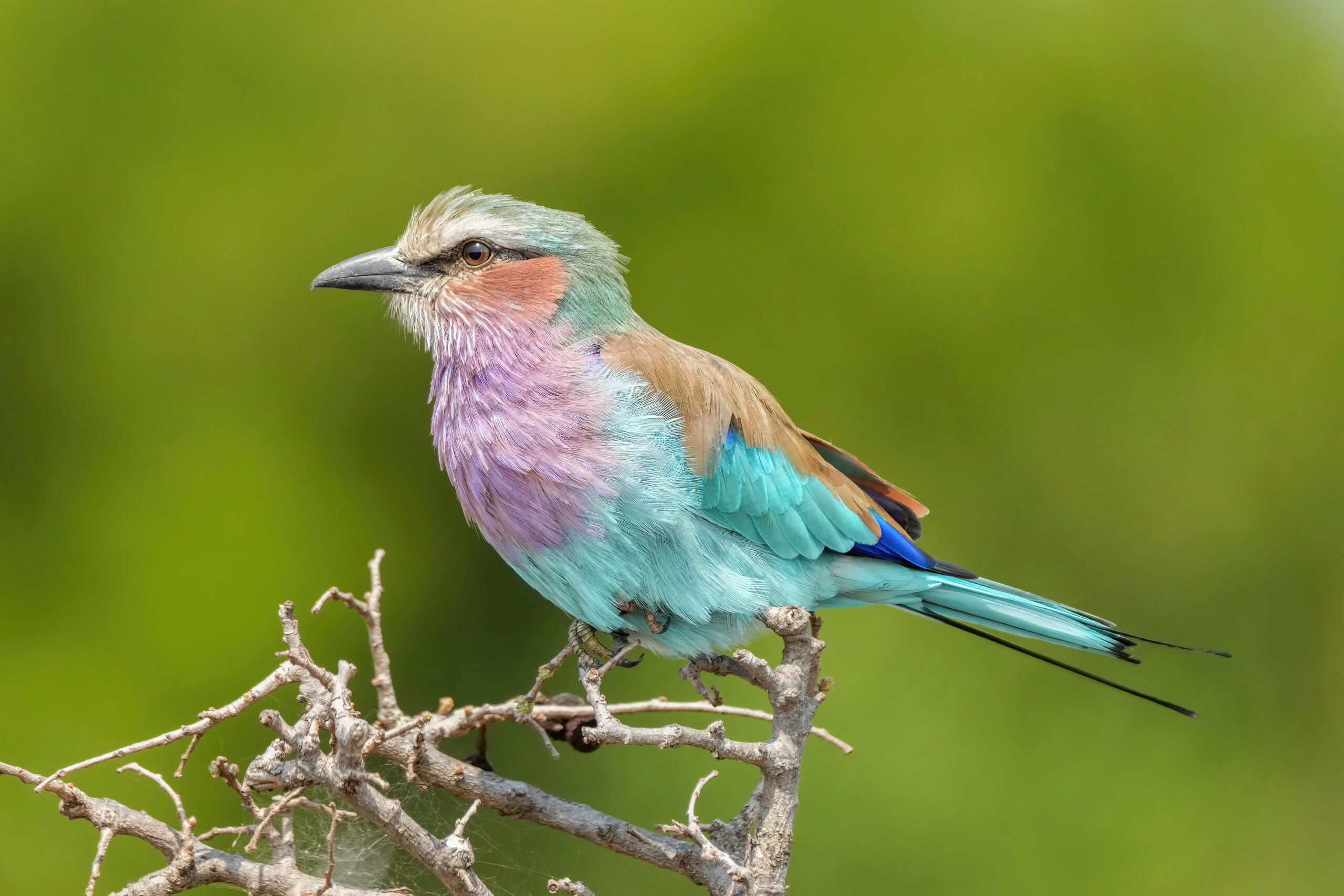
More than 500, TANAPA says, many of them migrants. Pictured: a lilac-breasted roller.
Sources and photo credits
Sources: TAWIRI 2023 wildebeest census; TAWIRI citing the IUCN (2023) for Tanzania's lions; TANAPA's park record; IUCN Red List (lion 2025, leopard 2022, cheetah 2014). Photos: black rhinos by David Paul on Pexels; lilac-breasted roller by Giles Laurent, CC BY-SA 4.0, via Wikimedia Commons.
08
Getting to the Serengeti: by light aircraft or by road from Arusha
Arusha is the usual way in. Flying takes a morning; the road, TANAPA says, most of a day. We price both, or one each way.
ArushaSeronera
Regular scheduled flights to Seronera airstrip, in the centre of the park, TANAPA says.
Scheduledregular flights, TANAPA says
ArushaKogatende, in the north
Coastal Aviation flies there every day, by way of Manyara. Kogatende is the airstrip by the Mara River crossings.
Dailyscheduled flights
ArushaSeronera
About 300 km. TANAPA says the drive takes 7 to 8 hours.
7 to 8 hTANAPA's estimate
Kogatendethe Masai Mara
Coastal Aviation flies to Tarime, drives you across the border to Migori and connects with Safarilink. On request, for two or more.
Same dayby air and road, on request
Sources: TANAPA's Serengeti visitor guide; Coastal Aviation's timetable; the road distance is a routing estimate (OSRM).
Add to a Serengeti safari: the Masai Mara, Ngorongoro, Tarangire or Zanzibar
Each adds something to a Serengeti safari, or ends the trip by the sea.
Our Serengeti safari, with Tarangire and Ngorongoro
Three nights in the Serengeti between Tarangire and a full day in Ngorongoro Crater, with Zanzibar after if you want the sea. We can also join the Serengeti to the Masai Mara across the border.
Longer, shorter, a different month, two countries in one run. Say what you have in mind and a first route and a real price come back within one working day.
Answered from the published rules and counts of Tanzania National Parks, the Ngorongoro Conservation Area Authority and TAWIRI, the airlines' own timetables and the US CDC.
When is the best time to go on a Serengeti safari?
For the wildebeest calving, January to March on the southern plains around Ndutu, TANAPA says; the Ngorongoro Conservation Area Authority says the herds are there from the end of December until April. For the Mara River crossings, August to September in the northern Serengeti. The long dry season runs from about June to October.
Where are the wildebeest each month?
Usually on the southern plains from December to March, moving north in April and May, in the Western Corridor in June and July, in the north and across the border in Kenya from August to October, and coming south again in October and November, according to TANAPA. Rain moves them, so some years run early or late.
Can we go on a night drive or a walk in the Serengeti?
There are no night drives in the national park itself: TANAPA's own price list has none. Walking safaris are allowed, with a qualified guide, and booked and paid for through the park.
How do we get to the Serengeti?
Arusha is the most common way in, TANAPA says. There are scheduled flights to Seronera in the centre, and Coastal Aviation flies to Kogatende in the north. By road it is about 300 km from Arusha to Seronera, which TANAPA puts at 7 to 8 hours.
How much are the Serengeti park fees?
TANAPA says international adults typically pay around USD 70 a day. Its price list gives TZS 178,850 for an adult from outside East Africa from May 2026 to March 2027; children under 5 go free, and fees are valid for 24 hours from entry. Our safari prices include the park fees.
Will we see a river crossing?
Nobody can promise one. TANAPA gives August to September for the Mara River crossing, and the Mara Conservancy, which runs Kenya's Mara Triangle, says most crossings now take place in Tanzania. At the crossing points everyone stays in the vehicle, and each point has a limit on vehicles.
Can we combine the Serengeti with the Masai Mara?
Yes. They are one ecosystem across a border. On request for two or more, Coastal Aviation flies from Kogatende to Tarime, drives you across the border to Migori and connects with Safarilink to the Mara, all in one day.
Do we need malaria tablets or a yellow fever vaccine for the Serengeti?
The US Centers for Disease Control and Prevention advises malaria tablets for all of Tanzania below 1,800 metres, and TANAPA gives the park's elevation as about 920 metres. CDC does not generally recommend the yellow fever vaccine for Tanzania, but proof of it is required if you arrive from a country with yellow fever risk, including an airport transit of more than 12 hours in such a country. Check the rule for your route, and ask your doctor.
Send your dates and we email you a Serengeti route and price.
Tell us roughly when you can travel, how many days you have, and whether calving, the river or a quieter camp matters most.
01Send your datesRoughly when, how many days, and what you most want from the Serengeti.
02Get a route and a price by emailCamps, nights and flights for your dates, with the cost per person.
03Change the route until it fitsThe month, the camp or the length.