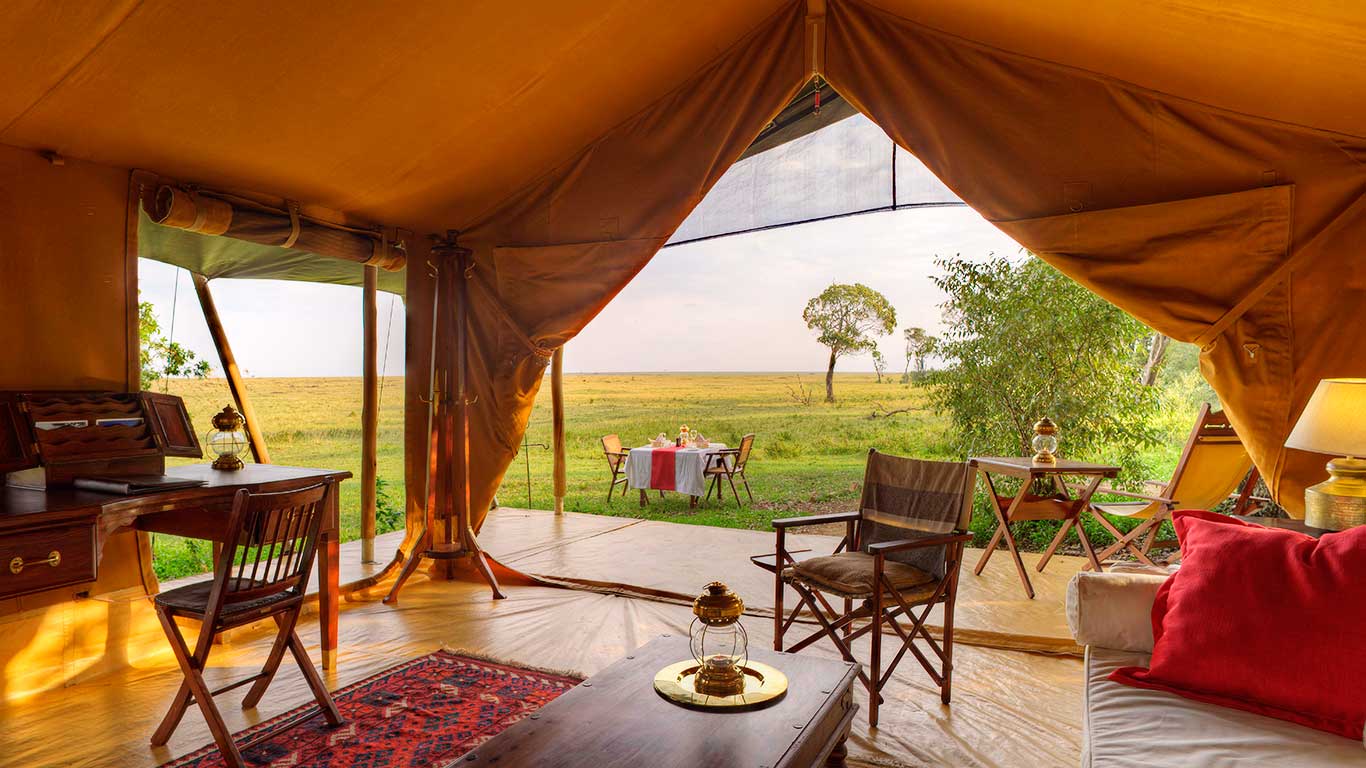
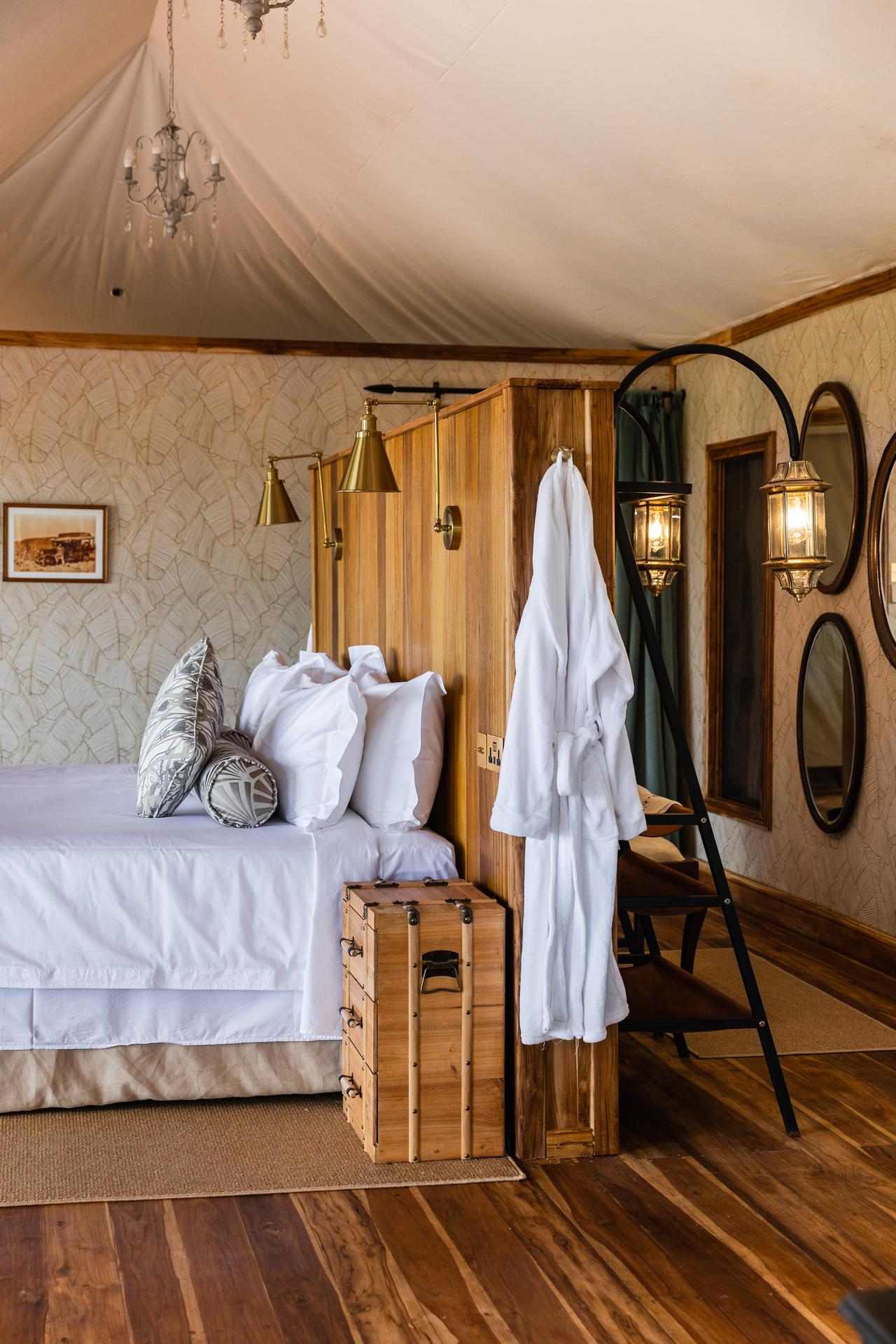
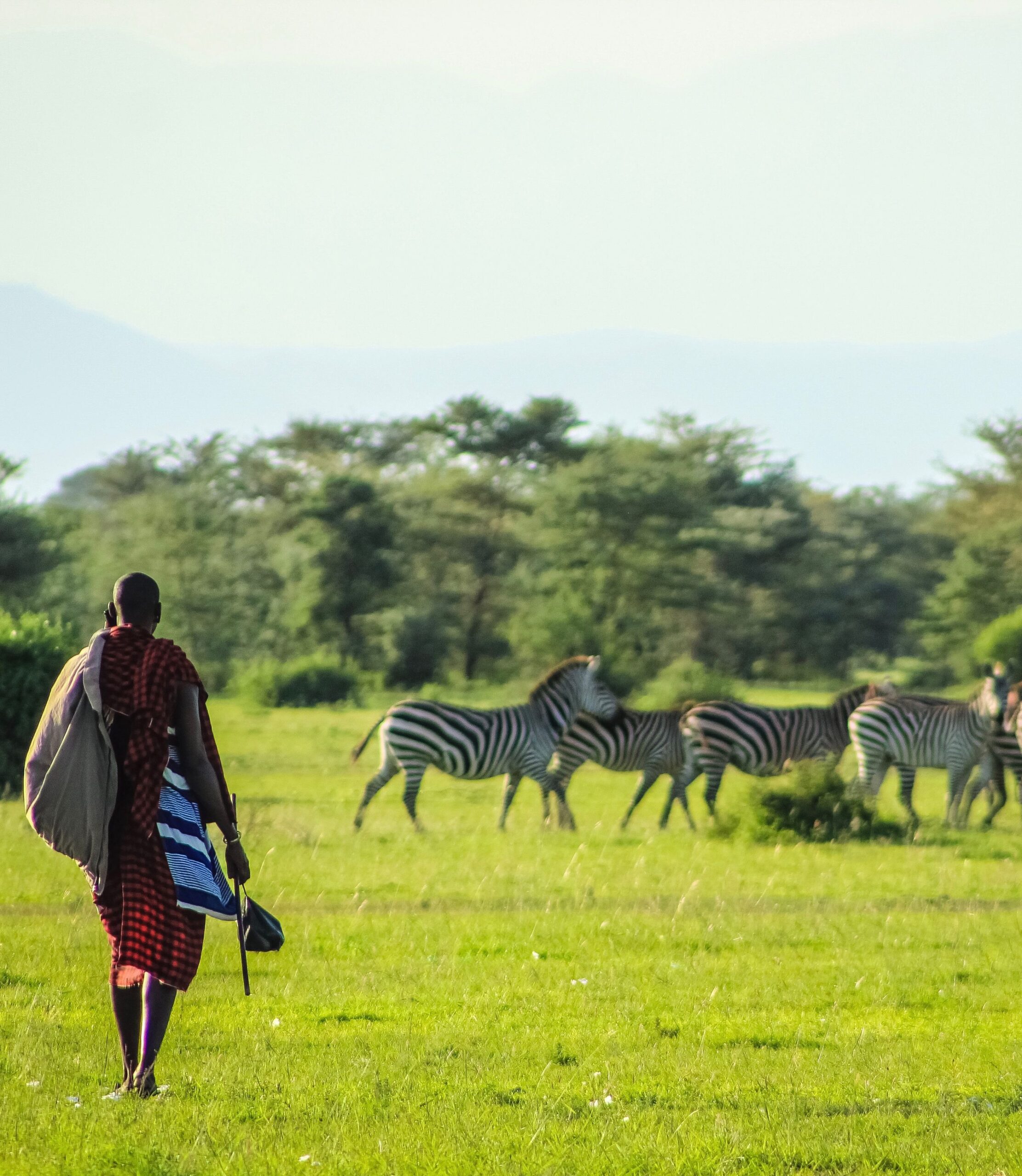
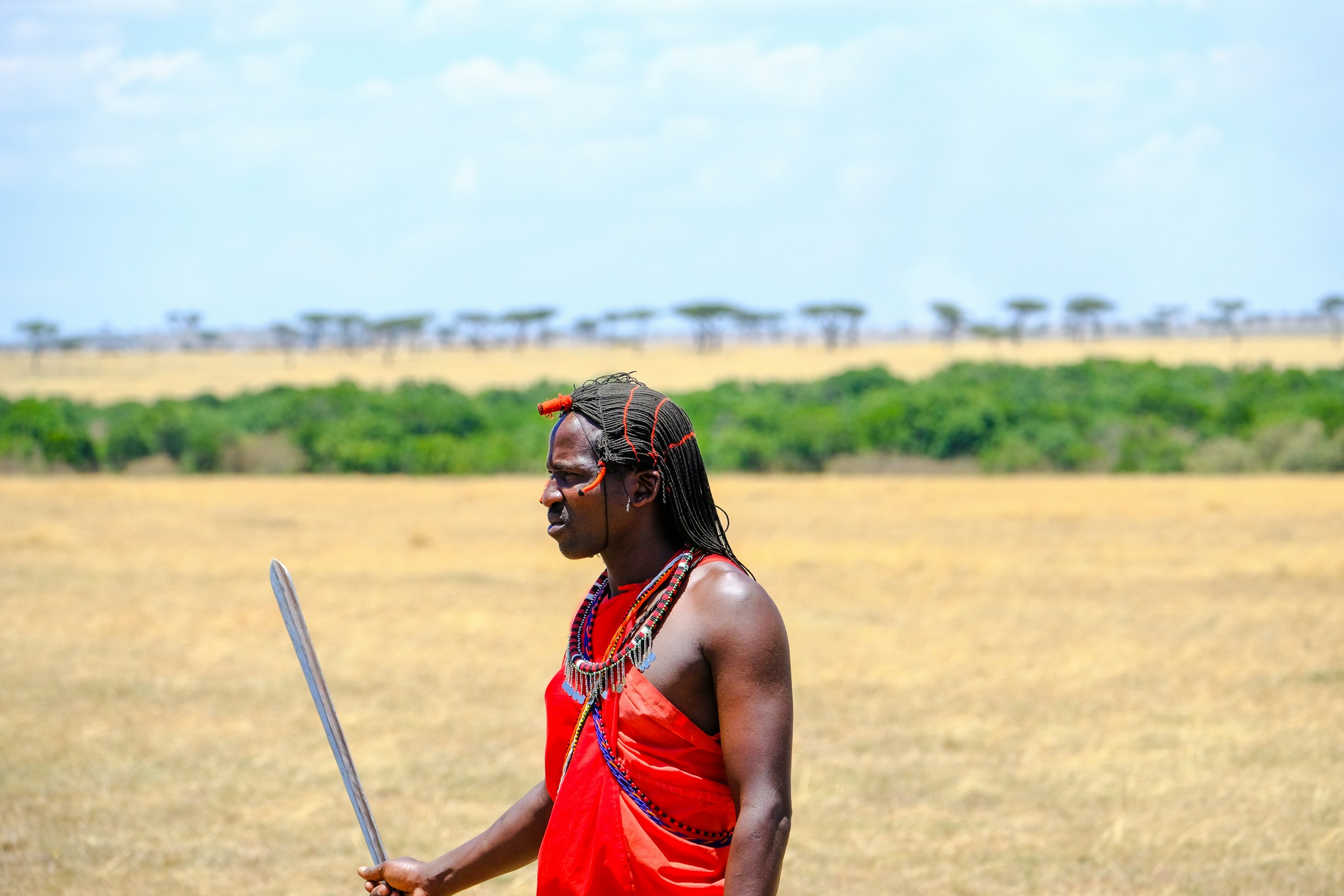
The Masai Mara, mapped: the reserve, the Mara Triangle and the conservancies
A Masai Mara safari takes you to Kenya's side of the Serengeti-Mara ecosystem. Each part of the Mara sets its own rules, and the camp you sleep in decides which apply to your days. Choose a part of the map, or a camp, to see what it lets you do.
Parts of the Mara
Camps on the mapPrice level: LuxuryOur guide to price level; ask us for rates for your dates.
About two thirds of the reserve's 1,530 square kilometres, east of the Mara River. The herds cross the river here and in the Mara Triangle.
No walking, and no horseback or bicycle safaris
No night drives
Leaving the road: only to approach big cats, and only in the reserve's less-visited zones; never in its busiest zones or along the Mara River
At a sighting: five vehicles at most around lions, rhinos, leopards and cheetahs, none closer than 25 metres
Hours: no one enters after 18:30; out, or back in camp, by 19:00
Park fee, set by Narok County: USD 100 a day January to June, USD 200 July to December, for an adult from outside East Africa
Run by the Mara Conservancy
The Mara Triangle
510 square kilometres between the Oloololo Escarpment, the Mara River and the Tanzanian border, run by the Mara Conservancy, a non-profit, on Narok County's behalf.
No walking: the Triangle is part of the reserve
No night drives
Leaving the road: only in the Triangle's less-visited zones, to approach lion, leopard or cheetah
At a sighting: five vehicles at most, 10 minutes each when more are waiting, none closer than 25 metres
Hours: gates open at 6:00 and close at 19:00; no one enters after 18:30
Park fee: the same rates as the main reserve
Run with their Maasai landowners
The private conservancies
Land beside the reserve, leased from Maasai landowners. Mara North alone covers more than 29,000 hectares, leased from over 1,000 of them.
Guided walks in several, such as Mara North and Naboisho
Night drives in several; in Mara North only in set areas, with red-filtered spotlights, back in camp by 22:00
Horse riding in Mara North
At a sighting: five vehicles at most in Mara North; the rest wait 100 metres away, 10 minutes each
Beds are limited: Naboisho allows eight camps and 150 beds
Fee: a conservancy fee, paid through your camp
Above the Mara Triangle · Camp 1
Angama Mara
Price level: Luxury
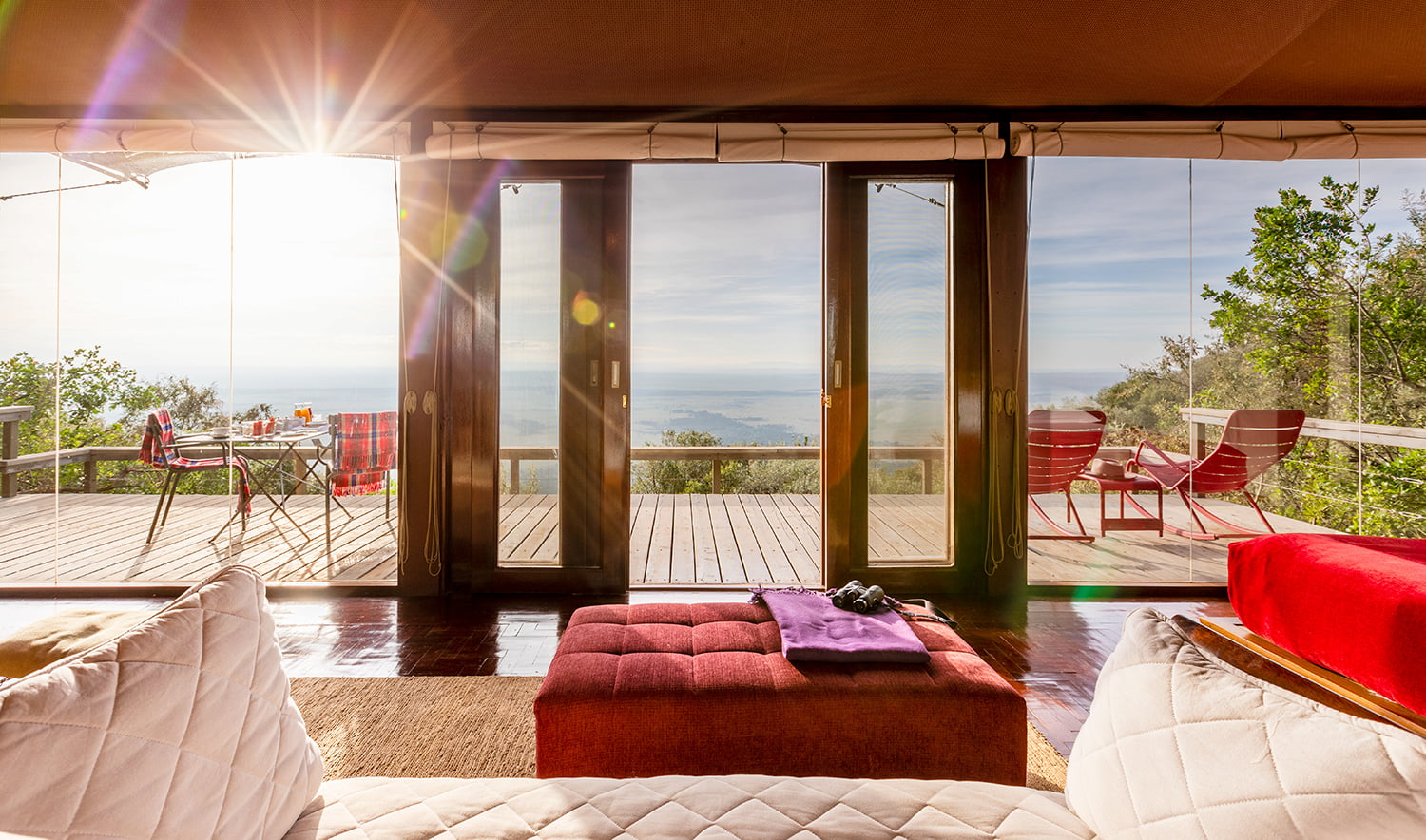
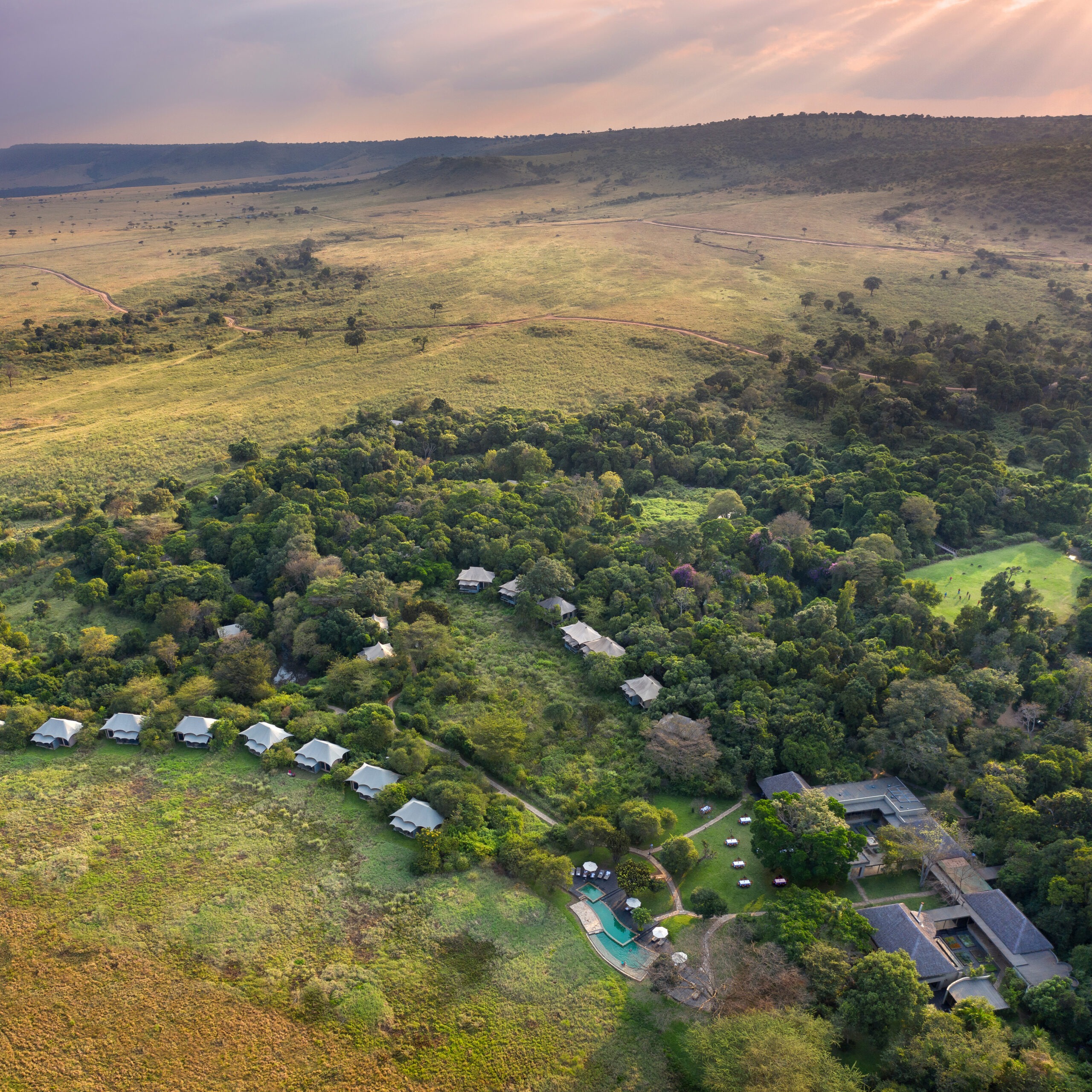
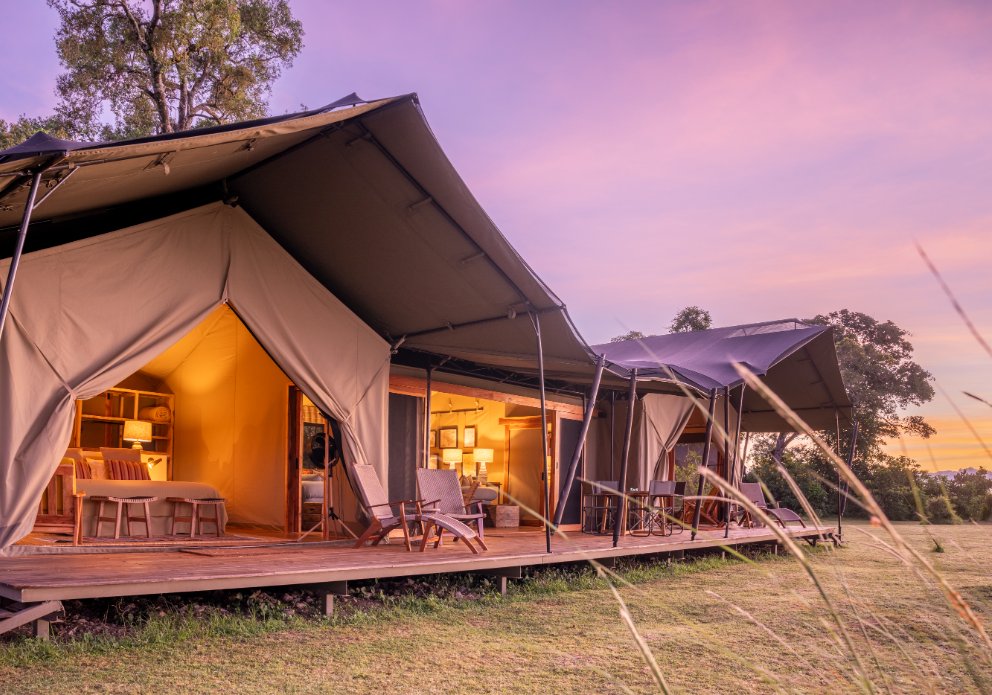
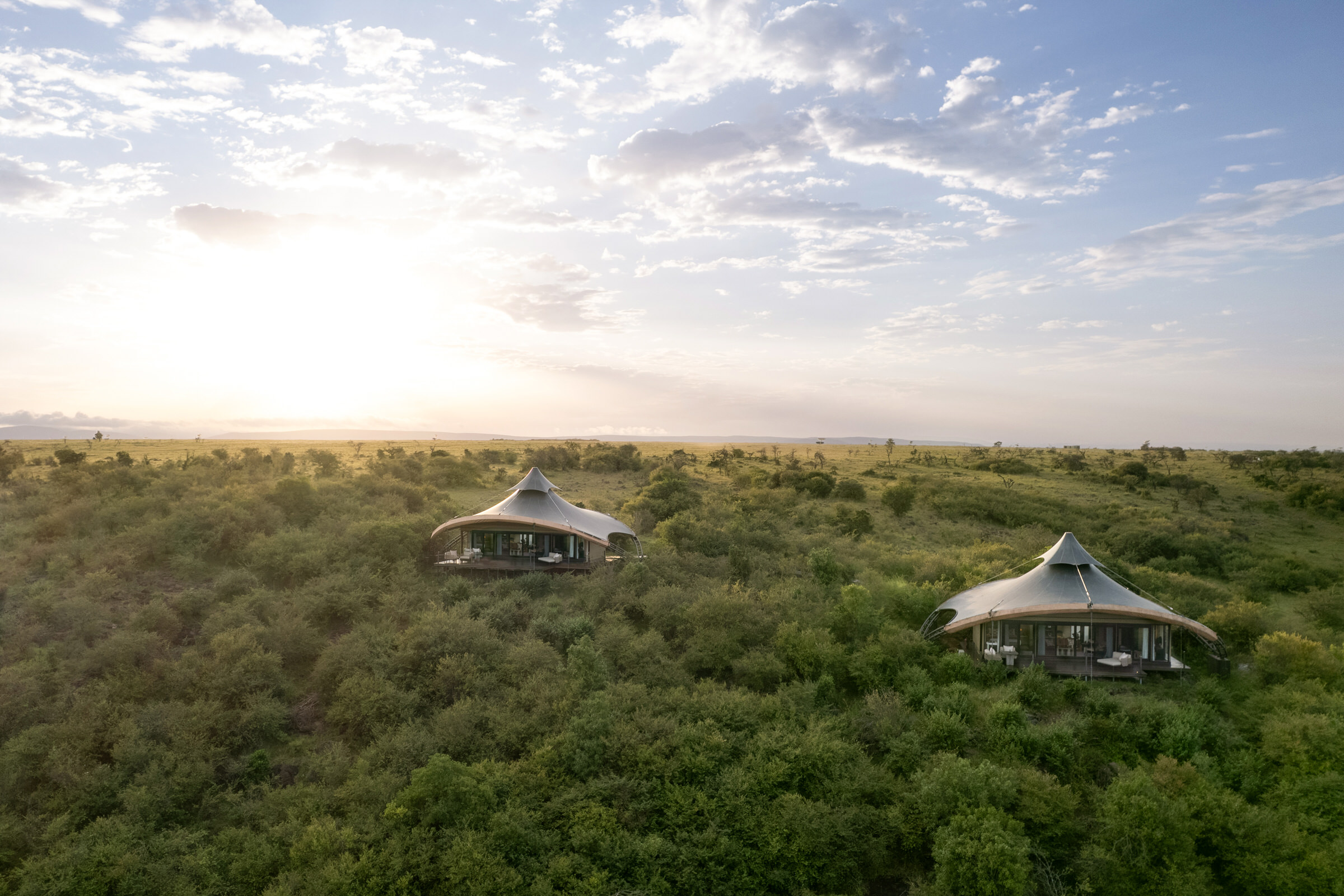
Two camps of 15 tented suites on the Oloololo Escarpment, 1,000 feet above the plains, on a site that borders the Mara Triangle. On the map: its area, not its exact spot.
These camps are marked at their exact spot. Choose one to read about it.
Map key
Camps marked by area only
We know only the area these camps are in, so their open markers show the area, not the exact spot. Choose one to read about it.
Compare the main reserve, the Mara Triangle and the conservancies
What
The main reserve Run by Narok County
The Mara Triangle Run by the Mara Conservancy
The conservancies Run with their Maasai landowners
Size
Two thirds of the reserve's 1,530 square kilometres
510 square kilometres, between the Oloololo Escarpment, the Mara River and the Tanzanian border
Mara North alone: more than 29,000 hectares, leased from over 1,000 Maasai landowners
Walking with a guide
Not allowed, and no horseback or bicycle safaris either
Not allowed: the Triangle is part of the reserve
In several, such as Mara North and Naboisho; Mara North also offers horse riding
Drives after dark
No night game drives
No night game drives
In several; in Mara North only in set areas, with red-filtered spotlights, back in camp by 22:00
Hours
Out of the reserve, or back in camp, by 19:00; no one enters after 18:30
Gates open at 6:00 and close at 19:00; no one enters after 18:30
Set by each conservancy and its camps
Leaving the road
Only to approach big cats, and only in the reserve's less-visited zones; never in its busiest zones or along the Mara River
Only in the Triangle's less-visited zones, to approach lion, leopard or cheetah
In Mara North, only to see the Big Five, by the shortest route
Vehicles at a sighting
Five at most around lions, rhinos, leopards and cheetahs; 15 minutes each when others are waiting
Five at most at any sighting; 10 minutes each when more are waiting
Five at most in Mara North; the rest wait 100 metres away, 10 minutes each
Closest to an animal
25 metres
25 metres
20 metres in Mara North
Daily fee, adults from outside East Africa
USD 100 a day January to June, USD 200 July to December
The same rates as the main reserve
A conservancy fee, paid through your camp; in Mara North it funds the landowners' monthly lease payments
Sources
Sources: Narok County, Maasai Mara National Reserve Management Plan 2023-32 and Finance Act 2023; the Mara Conservancy's park rules and fees; Mara North Conservancy; Naboisho Conservancy. Rules differ from one conservancy to the next, so we name the one each rule comes from.
02
Where to stay in the Masai Mara, by the part of the Mara each camp sits in
Where your camp sits decides what you can do. Inside the reserve you are by the Mara River, on day drives only; in a conservancy you can walk, and in several, drive at night. The map above shows where each camp is.
Price level: LuxuryOur guide to price level; ask us for rates for your dates.
The western Mara, by the Mara Triangle
On and below the Oloololo Escarpment, beside the Mara Triangle.
Angama Mara
Oloololo Escarpment
Price level: Luxury
2 camps of 15 suites
Children of all ages
Kichwa Tembo airstrip
Best for: Views over the Mara from every suite, guided walks on the escarpment with Maasai naturalists, and families: children of all ages, with interconnecting suites.
Look elsewhere if: you want night drives: Angama does not list them, and its game drives go into the Mara Triangle, where they are not allowed.
andBeyond Kichwa Tembo
Beside the reserve
Price level: Luxury
34 tents
Children of all ages
Its own airstrip
Best for: Guided bush walks and night drives on its concession, with the reserve next door, a pool, and a programme for children.
Look elsewhere if: you want a small camp: it has 34 tents.
andBeyond Bateleur Camp
Beside the reserve
Price level: Luxury
2 small camps
A family tent
Kichwa Tembo airstrip
Best for: A smaller camp than Kichwa Tembo next door, with guided bush walks and night drives on the same private land.
Look elsewhere if: you want to sleep inside the reserve, by the river.
Inside the main reserve
By day, from the vehicle, under the reserve's rules: no walks and no night drives.
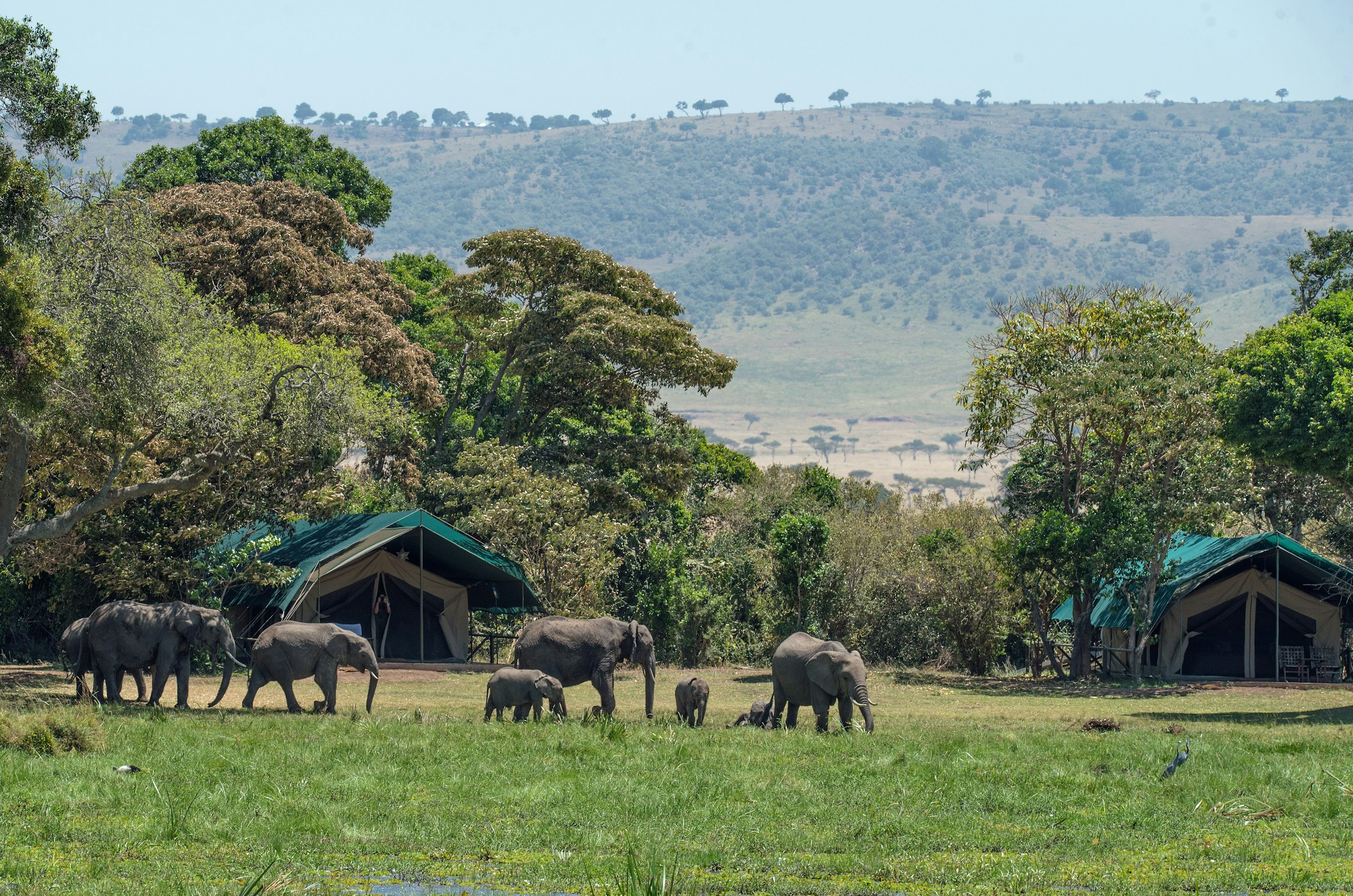
Governors' Camp
Inside the reserve
Price level: Luxury
24 tents, 5 for families
Children of all ages
Musiara airstrip
Best for: Being on the Mara River inside the reserve, and families with young children: babysitting and early meals.
Look elsewhere if: you want walks or night drives: the reserve allows neither.
The Ritz-Carlton Masai Mara
Inside the reserve
Price level: Luxury
20 suites
Children from 6
Keekorok airstrip, then an hour's drive
Best for: A private plunge pool and a butler, with cameras and resident photographers to help you use them.
Look elsewhere if: you are travelling with children under six, or want walks or night drives.
In the private conservancies
In several, guided walks and night drives; a cap on camps and beds; a conservancy fee paid through your camp.
Mara Plains Camp
Olare Motorogi
Price level: Luxury
7 suites
Olare Motorogi airstrip
Best for: Seven suites, with game drives in both Olare Motorogi and the main reserve.
Look elsewhere if: you want a large camp: it has seven suites.
Mahali Mzuri
Olare Motorogi
Price level: Luxury
12 tents
Children from 2
Olare Orok airstrip, 20 minutes from camp
Best for: Guided bush walks with Maasai guides, with a spa and a pool at camp.
Look elsewhere if: you want night drives: they are not on its list of activities.
Kicheche Bush Olare
Olare Motorogi
Price level: Luxury
5 tents and a family suite
Children from 7
Best for: A very small camp with guided bush walks, and a night out wild camping if you want it.
Look elsewhere if: you are travelling with children under seven.
Elephant Pepper Camp
Mara North
Price level: Luxury
Mara North airstrip, a 30-minute drive
Best for: Bush walks and night drives in the Mara North Conservancy.
Look elsewhere if: you want to sleep beside the Mara River in the reserve.
Cottar's 1920s Safari Camp
Conservancy
Price level: Luxury
11 tents, 4 for families
Children of all ages
Its own airstrip
Best for: Bush walks and night wildlife drives, and families: nanny service and four family tents.
Look elsewhere if: you would rather have a modern camp than a 1920s one.
Facts: the camps' websites, read in October 2026. We book every camp here; ask which suits your dates.
03
Things to do in the Masai Mara, from Maasai-led walks to night drives
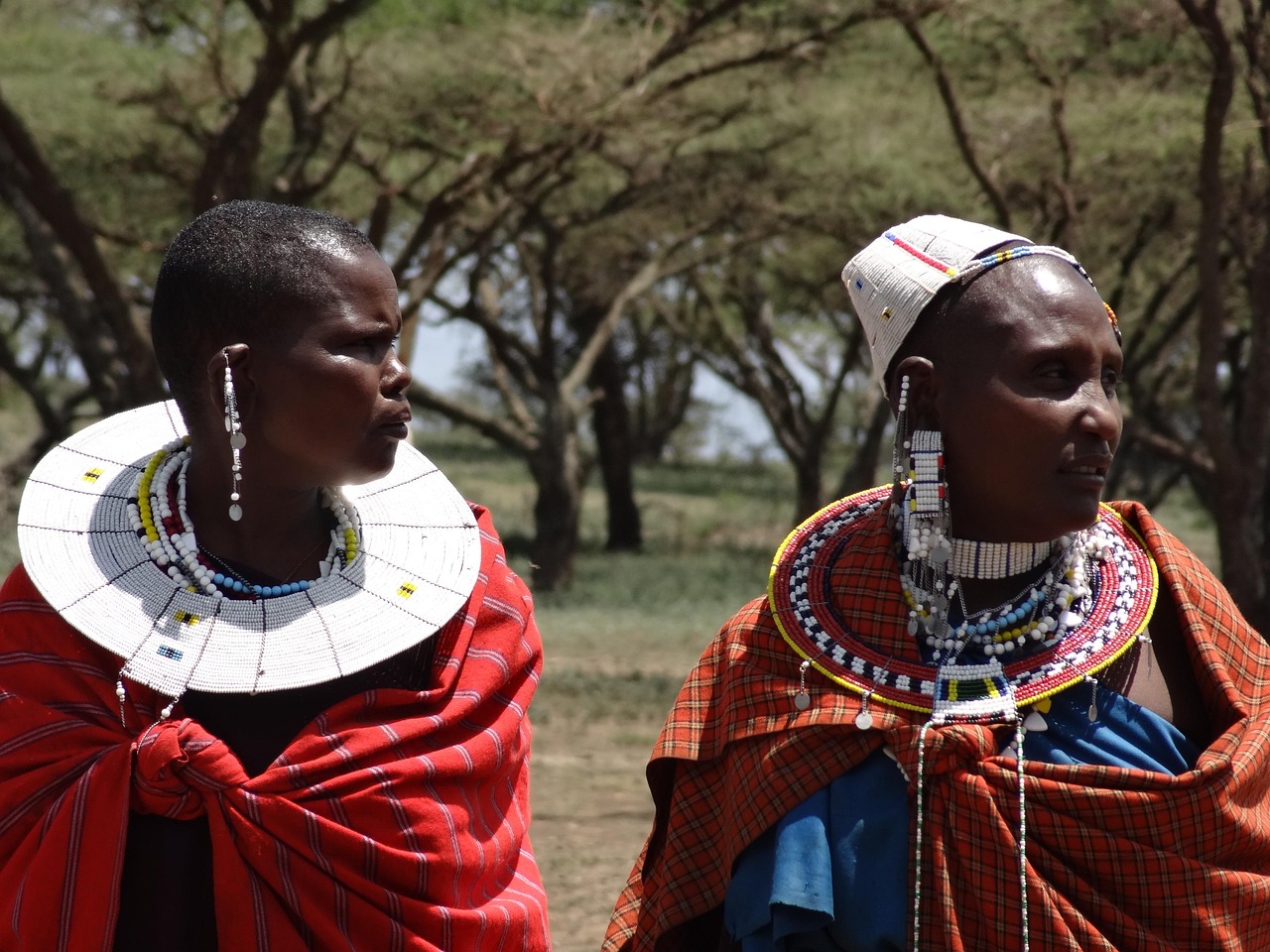
Walk with Maasai guides, visit a homestead, learn beadwork, ride horses, or go on a night drive: here is what the Masai Mara's camps and conservancies offer, and where each is allowed. The conservancies are leased from Maasai landowners, so much of this happens on Maasai land.
Walks, homestead visits and beadwork with the Maasai, and the camps that offer them
01
Walk with Maasai guides
On foot on the Oloololo Escarpment with Angama Mara's Maasai naturalists, or across the Olare Motorogi Conservancy with Mahali Mzuri's Maasai warrior guides.
Kichwa Tembo takes guests to Maasai homesteads to see daily life and locally made crafts, at extra cost; every visit supports the community directly, the camp says. Bateleur and Governors' Camp offer Maasai visits too, and Cottar's lists visits to a Maasai village among its activities.
At Mara Plains you can learn to bead with Maasai women of the Maa Trust. Mahali Mzuri takes guests to a local beading cooperative; at Angama Mara, women from the neighbouring community bead daily in the camp's studio; and at Kichwa Tembo, children on the WILDchild programme bead with Maasai women.
Cottar's Maasai Warrior School teaches the skills warriors use every day: fire-making, spear-throwing, archery, tracking, the jumping dance and songs, adapted by age. Adults can talk instead about the age-set system that shapes Maasai life. It is included in the camp's rate.
Stay in a conservancy, where your fee pays Maasai landowners
The conservancies beside the reserve are leased from Maasai landowners. In Mara North there are more than 1,000 of them, and the conservancy fee you pay through your camp goes towards their monthly lease payments.
In Olare Motorogi, Mara Plains says the conservation fees its guests pay support more than 1,000 Maasai families. Kichwa Tembo's land is leased from Maasai landlords too, the camp says.
Bush walks, night drives, horse riding and bush meals: where in the Mara each is allowed
Watch the wildebeest by the Mara River
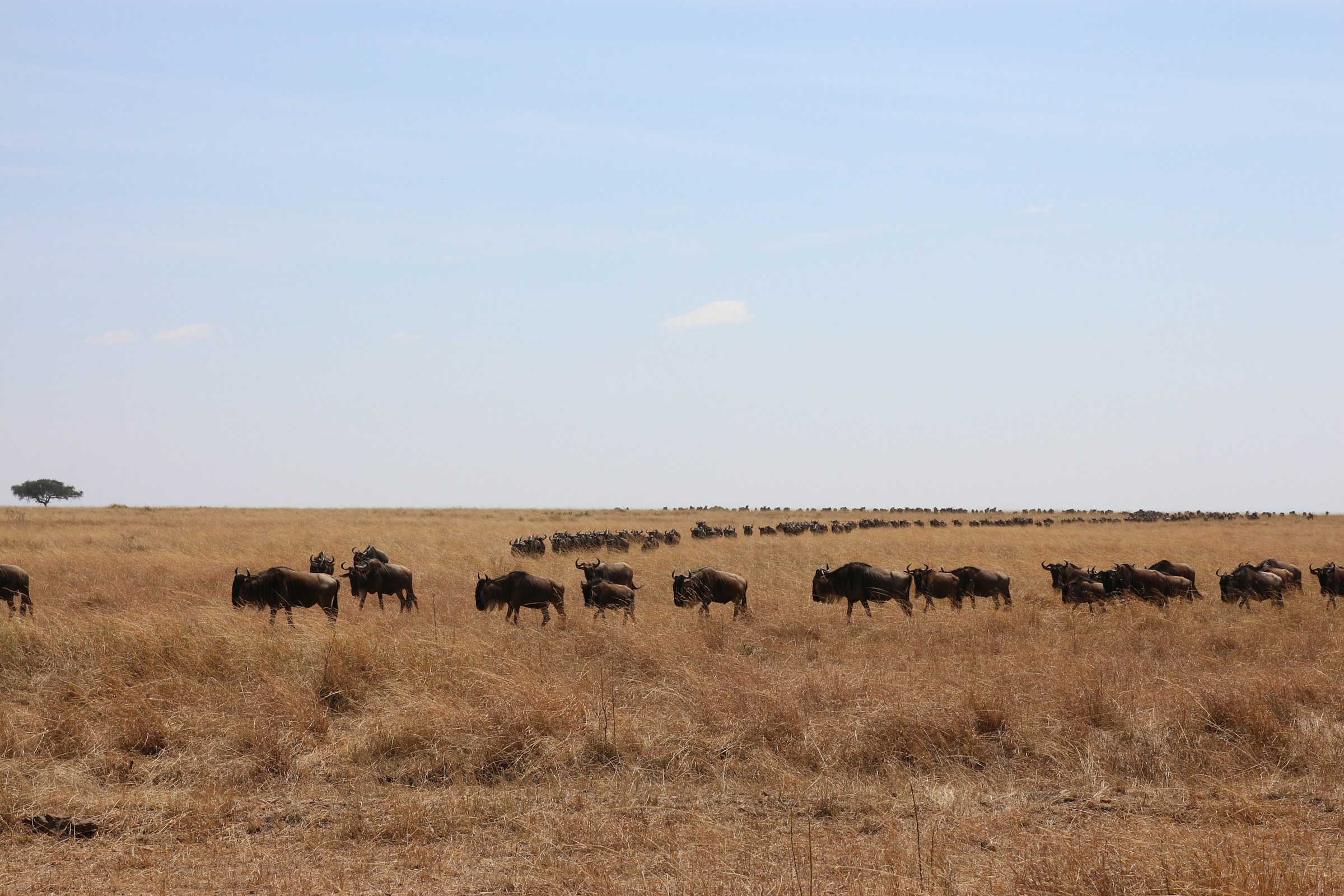
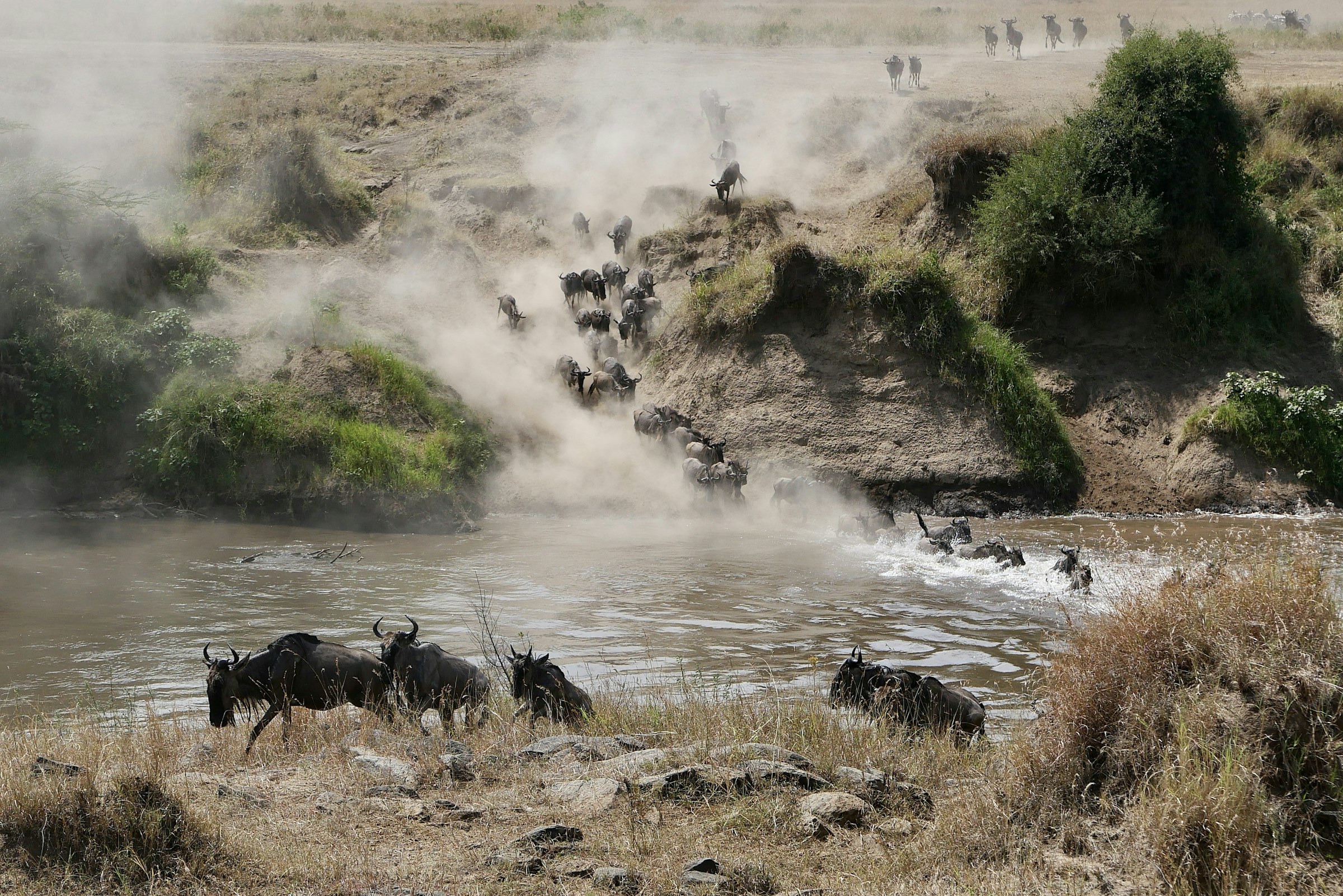
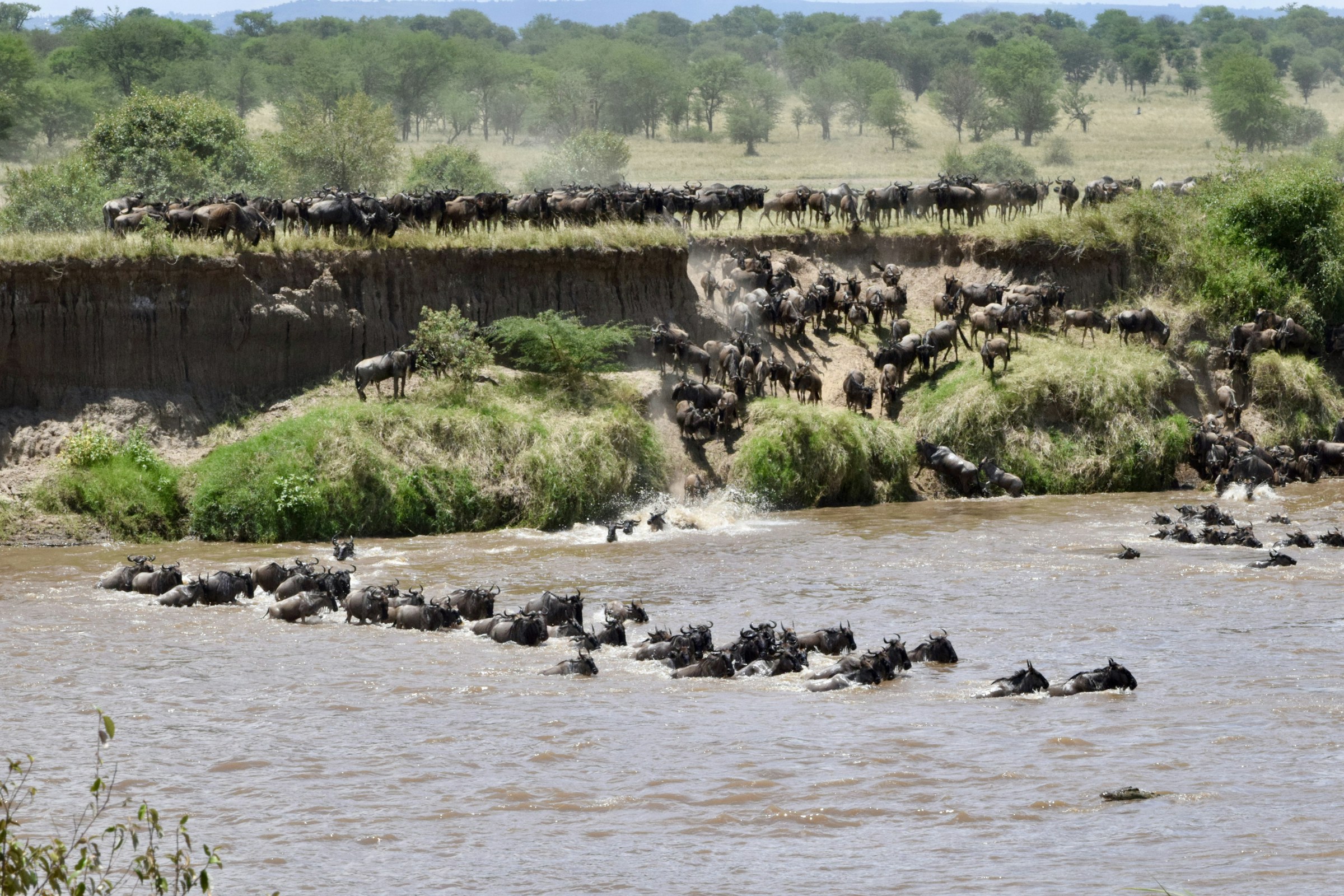
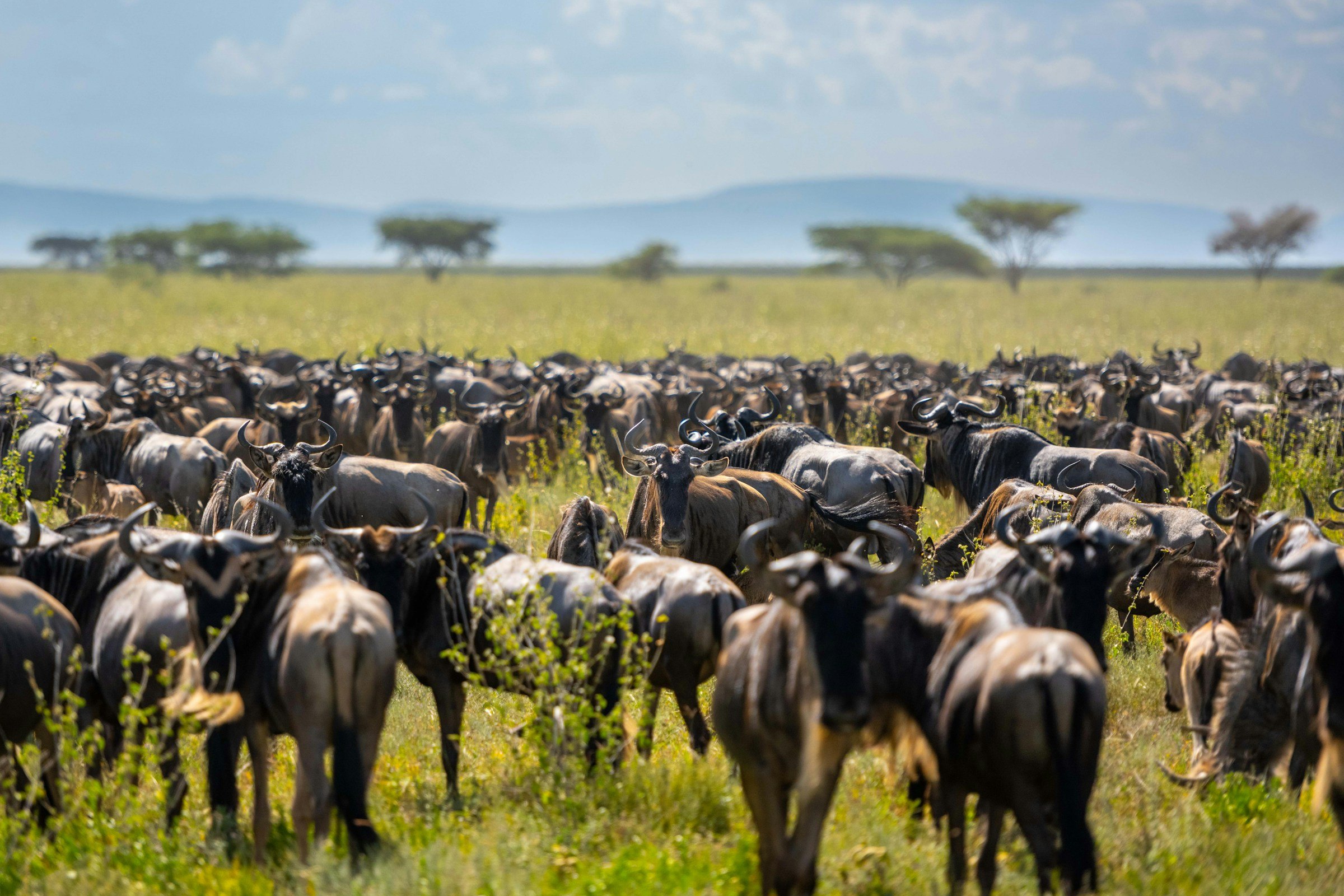
Usually from late July to early November, the wildebeest gather by the river, and on some days they cross it.
Main reserveMara Triangle
Bush walks with a guide
Mara North and Naboisho conservancies both offer guided bush walks. Walking is not allowed in the reserve.
Conservancies
Night drives
In set areas of Mara North, with red-filtered spotlights, back in camp by 22:00. Naboisho offers night drives too.
Conservancies
Horse riding
Mara North Conservancy lists horse riding among its activities, and three riding companies are among its partners.
Mara North
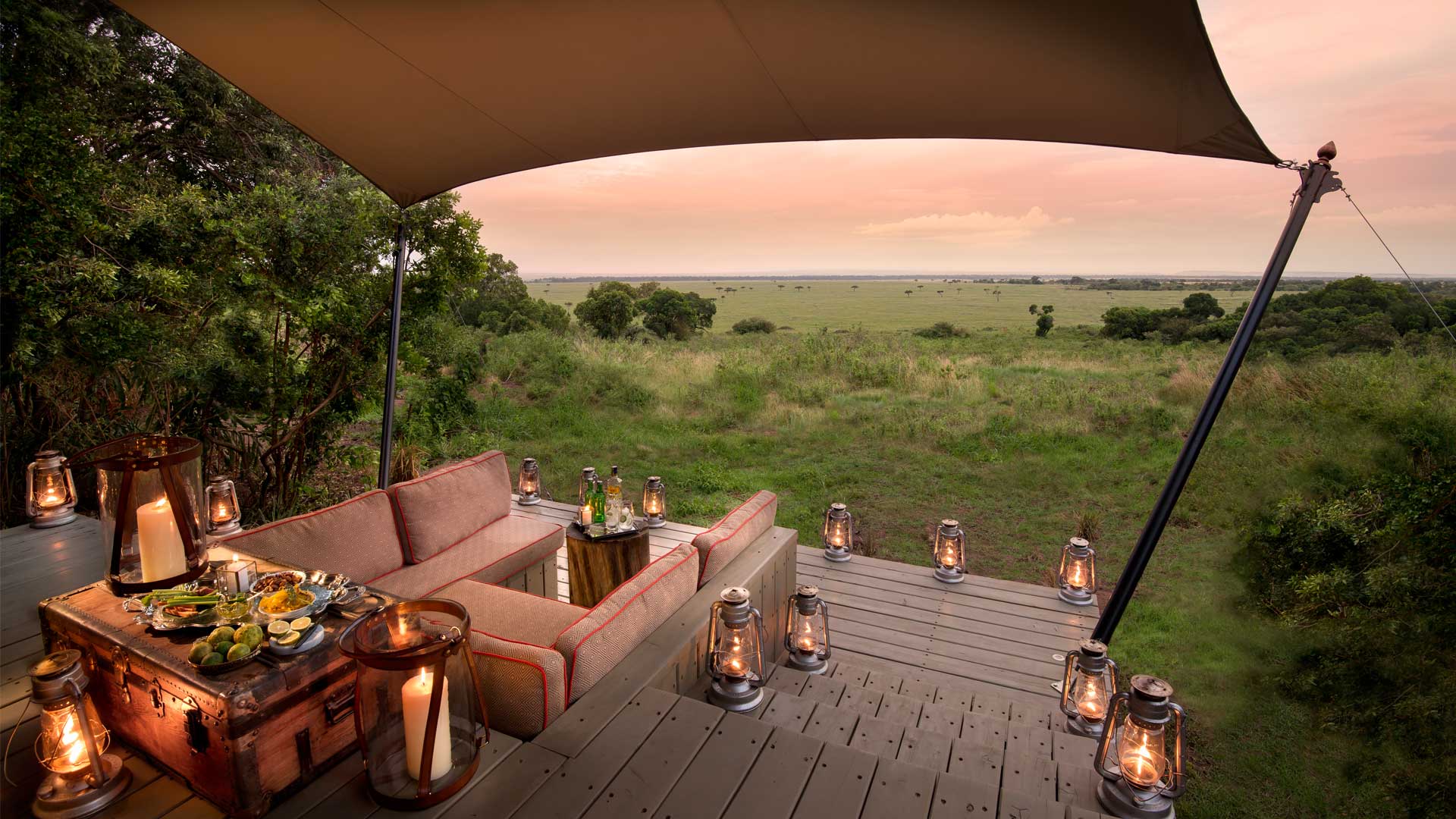
Meals in the bush
Bush dinners are allowed in the reserve at sites its managers approve, never along the Mara River, and you must be back in camp by 21:00, later than the usual 19:00. Naboisho offers bush meals too.
Main reserveConservancies
Birdwatching
You can watch for birds on every drive and walk: more than 470 species have been recorded in the reserve, the Mara Conservancy says.
Everywhere
Sources: the camps' websites, read in October 2026; Mara North Conservancy; Naboisho Conservancy; Narok County; the Mara Conservancy.
04
When to go to the Masai Mara, month by month
Choose the month you can travel to see where the wildebeest usually are, the rain, the park fee and how busy it is. It opens on the current month.
Wildebeest usually in the Masai MaraWildebeest in the Masai Mara in some yearsUsually wetSome rain in some years
January
The herds are usually far south in the Serengeti, and the short rains often run into January. Pair the Mara with the Serengeti to see them.
Wildebeest usually in the Serengeti
WildebeestUsually in the Serengeti, in Tanzania
RainSome rain in some years
Park feeUSD 100 a day, for an adult from outside East Africa; children 9 to 17 pay USD 50
How busyQuieter than July and August
February
The herds are usually on the short-grass plains of the southern Serengeti, where calving peaks around February. The Mara is quiet, at the lower park fee.
Wildebeest usually in the Serengeti
WildebeestUsually in the Serengeti, in Tanzania
RainSome rain in some years
Park feeUSD 100 a day, for an adult from outside East Africa; children 9 to 17 pay USD 50
How busyQuieter than July and August
March
The long rains usually begin. The herds are in the Serengeti, and the park fee is at its lower rate.
Wildebeest usually in the Serengeti
WildebeestUsually in the Serengeti, in Tanzania
RainUsually wet
Park feeUSD 100 a day, for an adult from outside East Africa; children 9 to 17 pay USD 50
How busyQuieter than July and August
April
The long rains usually continue. The herds are in the Serengeti, and the park fee is at its lower rate.
Wildebeest usually in the Serengeti
WildebeestUsually in the Serengeti, in Tanzania
RainUsually wet
Park feeUSD 100 a day, for an adult from outside East Africa; children 9 to 17 pay USD 50
How busyQuieter than July and August
May
The long rains usually run into May. The herds are in the Serengeti, and the park fee is at its lower rate.
Wildebeest usually in the Serengeti
WildebeestUsually in the Serengeti, in Tanzania
RainUsually wet
Park feeUSD 100 a day, for an adult from outside East Africa; children 9 to 17 pay USD 50
How busyQuieter than July and August
June
In some years the first herds arrive in June. It is the last month at the lower park fee.
Wildebeest in the Masai Mara in some years
WildebeestIn the Masai Mara in some years
RainSome rain in some years
Park feeUSD 100 a day, for an adult from outside East Africa; children 9 to 17 pay USD 50
How busyQuieter than July and August
July
The herds usually arrive in June or July, the Mara Conservancy says, and from late July they are usually by the Mara River. One of the two busiest months.
Wildebeest usually arriving
WildebeestArriving, the Mara Conservancy says; by the Mara River from late July
RainDry season
Park feeUSD 200 a day, for an adult from outside East Africa; children 9 to 17 pay USD 50
How busyThe busiest months in the Serengeti-Mara
August
The herds are usually in the Mara and by the river, in the dry season. One of the two busiest months.
Wildebeest usually in the Masai Mara
WildebeestUsually in the Masai Mara; by the Mara River from late July to early November
RainDry season
Park feeUSD 200 a day, for an adult from outside East Africa; children 9 to 17 pay USD 50
How busyThe busiest months in the Serengeti-Mara
September
The herds are usually in the Mara and by the river, in the dry season.
Wildebeest usually in the Masai Mara
WildebeestUsually in the Masai Mara; by the Mara River from late July to early November
RainDry season
Park feeUSD 200 a day, for an adult from outside East Africa; children 9 to 17 pay USD 50
How busyQuieter than July and August
October
The herds are usually still in the Mara, by the river into early November, and the dry season usually holds.
Wildebeest usually in the Masai Mara
WildebeestUsually in the Masai Mara; by the Mara River from late July to early November
RainDry season
Park feeUSD 200 a day, for an adult from outside East Africa; children 9 to 17 pay USD 50
How busyQuieter than July and August
November
In some years the herds stay into early November, as the short rains begin.
Wildebeest in the Masai Mara in some years
WildebeestIn the Masai Mara in some years
RainUsually wet
Park feeUSD 200 a day, for an adult from outside East Africa; children 9 to 17 pay USD 50
How busyQuieter than July and August
December
The herds are usually back in the Serengeti, and the short rains usually fall.
Wildebeest usually in the Serengeti
WildebeestUsually in the Serengeti, in Tanzania
RainUsually wet
Park feeUSD 200 a day, for an adult from outside East Africa; children 9 to 17 pay USD 50
How busyQuieter than July and August
Sources
Herds: the Serengeti Biodiversity Program, annual report 2023-24, and the Mara Conservancy. Rain: Bartzke and others 2018; Ogutu and others 2015. Park fees: Narok County Finance Act 2023; children of 8 and under go free. Busiest months: the Serengeti Biodiversity Program.
05
A day on safari in the Masai Mara, hour by hour
What a day in the reserve looks like, with the rules that shape it. In a conservancy the day can run on after dark.
Your day ticket starts
Your park ticket runs from 6:00 to 18:00, whatever time you enter, so the first drive starts at first light.
In the Mara Triangle the gates open at 6:00 and close at 19:00.
Out on the plains
You watch from inside the vehicle.
Never sit or stand on the roof. At a sighting, five vehicles at most, none closer than 25 metres.
Breakfast at a picnic site
In the reserve you leave the vehicle only at picnic sites.
Stay within 10 metres of the vehicle while you are out of it.
Back at camp
Lunch and the hottest hours at camp, or a picnic out on the plains.
The afternoon game drive
The second drive, until the light goes.
Quiet at a sighting: no shouting, clapping or cheering.
Last entry to the reserve
No one enters the reserve after 18:30.
Out of the reserve, or back in camp
Everyone is out of the reserve, or back in camp, by 19:00.
Bush dinners only at sites the reserve's managers approve, never along the Mara River, back by 21:00.
A night drive, in a conservancy
In set areas of Mara North, with red-filtered spotlights, back in camp by 22:00. Naboisho offers night drives too.
Rules: Narok County, Maasai Mara National Reserve Management Plan 2023-32 and Finance Act 2023; the Mara Conservancy's park rules; Mara North Conservancy; Naboisho Conservancy.
06
The Mara River crossings, in numbers
Wildebeest crossings of the Mara River are difficult to predict, the Mara Conservancy says, and most now take place in Tanzania. If a crossing is why you are going, stay near the river, in the reserve or the Mara Triangle, and add a night.
Days with river crossings in a year
2001 to 2015a yearly average, the Kenyan stretch
52
Earlier yearsthe main reserve
50
The year to January 2025the main reserve
29
The year to January 2026the main reserve
14
6,250wildebeest drowned in the river in an average year, 2001 to 2015
12major crossing sites on the Kenyan stretch of the river
At least 3 monthsthat the wildebeest still stay in the Mara Triangle, the Mara Conservancy says
Stay in the vehicleat a crossing point in the Mara Triangle: no one may get out there
Sources: Subalusky and others, Proceedings of the National Academy of Sciences, 2017 (2001 to 2015, drownings, crossing sites); the Mara Conservancy's report of January 2026 (the main reserve) and its park rules.
The counts come from Narok County, the Kenya Wildlife Service and the IUCN Red List. Nobody can promise you any one animal, least of all a leopard.
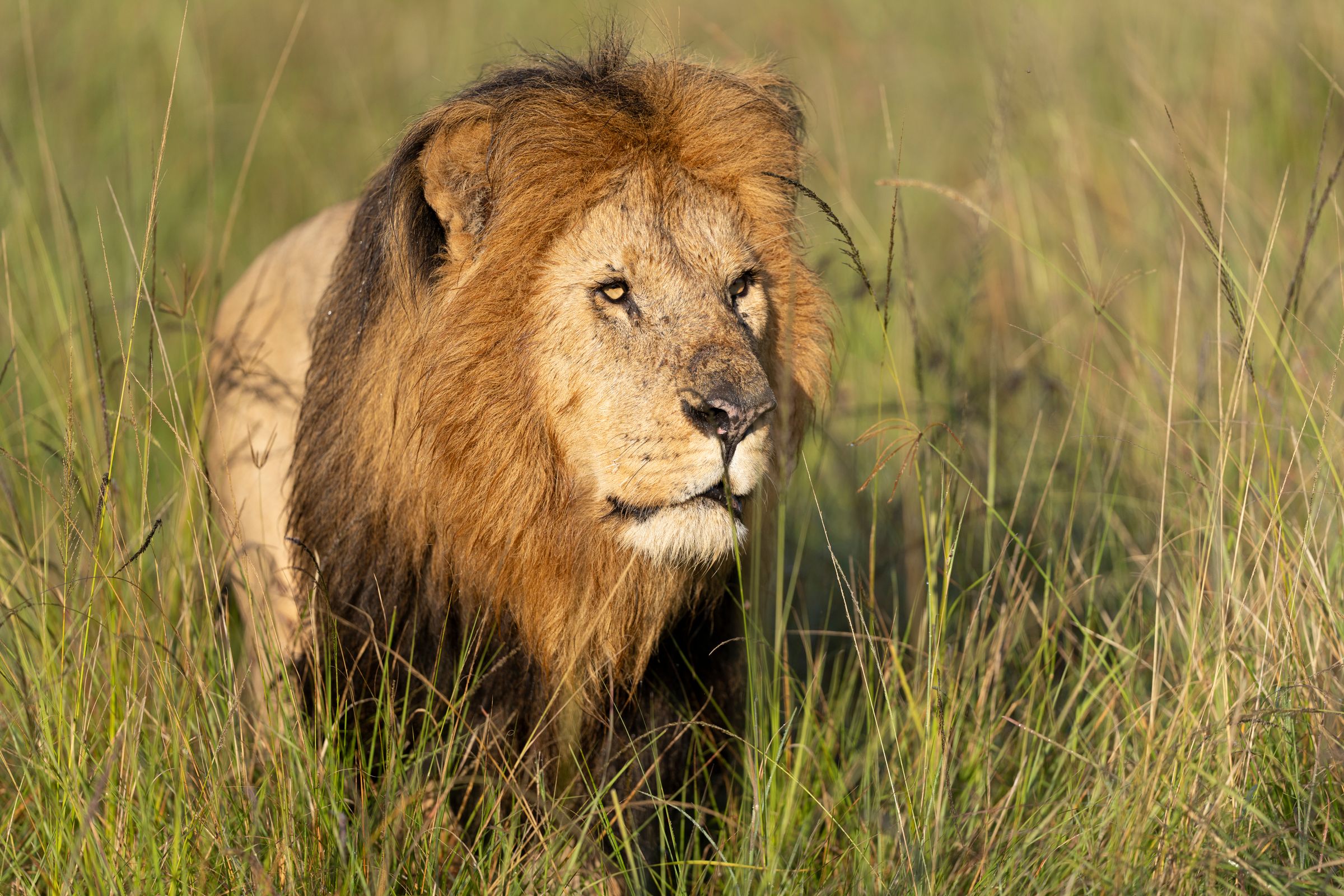
VulnerableAbout 270
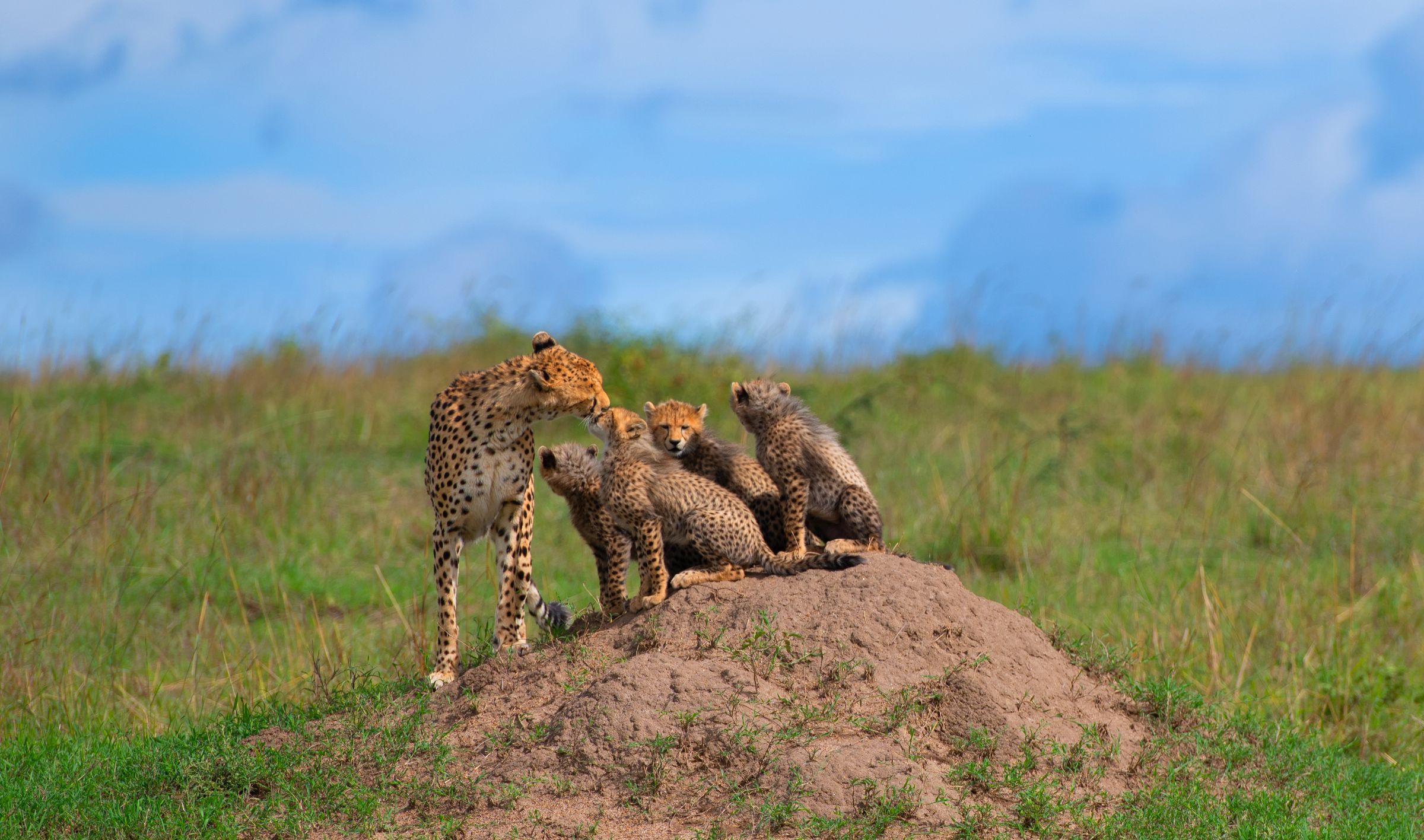
Lions in the reserve
Narok County's 2023 estimate, and more than 500 in the wider ecosystem.
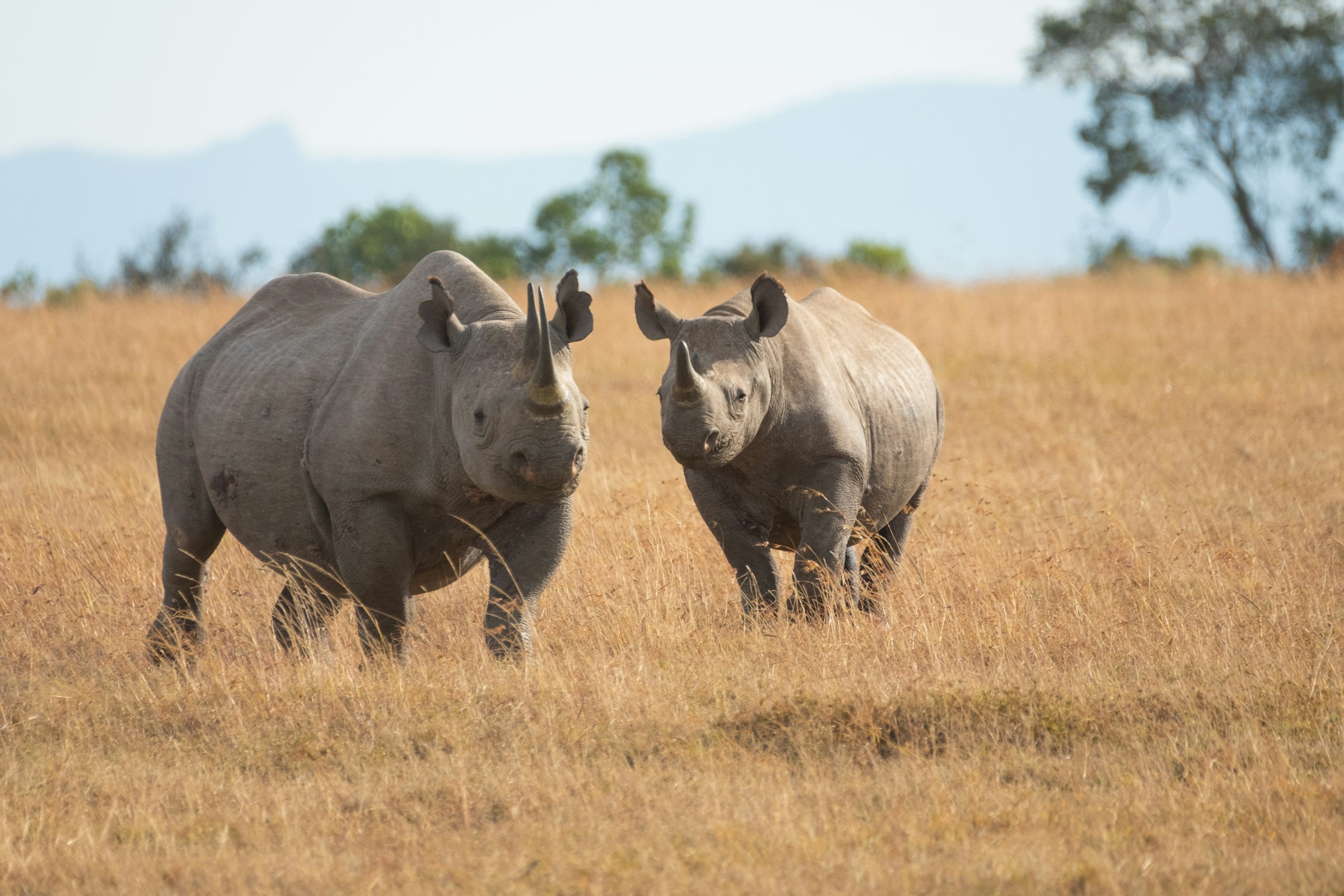
Critically EndangeredAbout 50
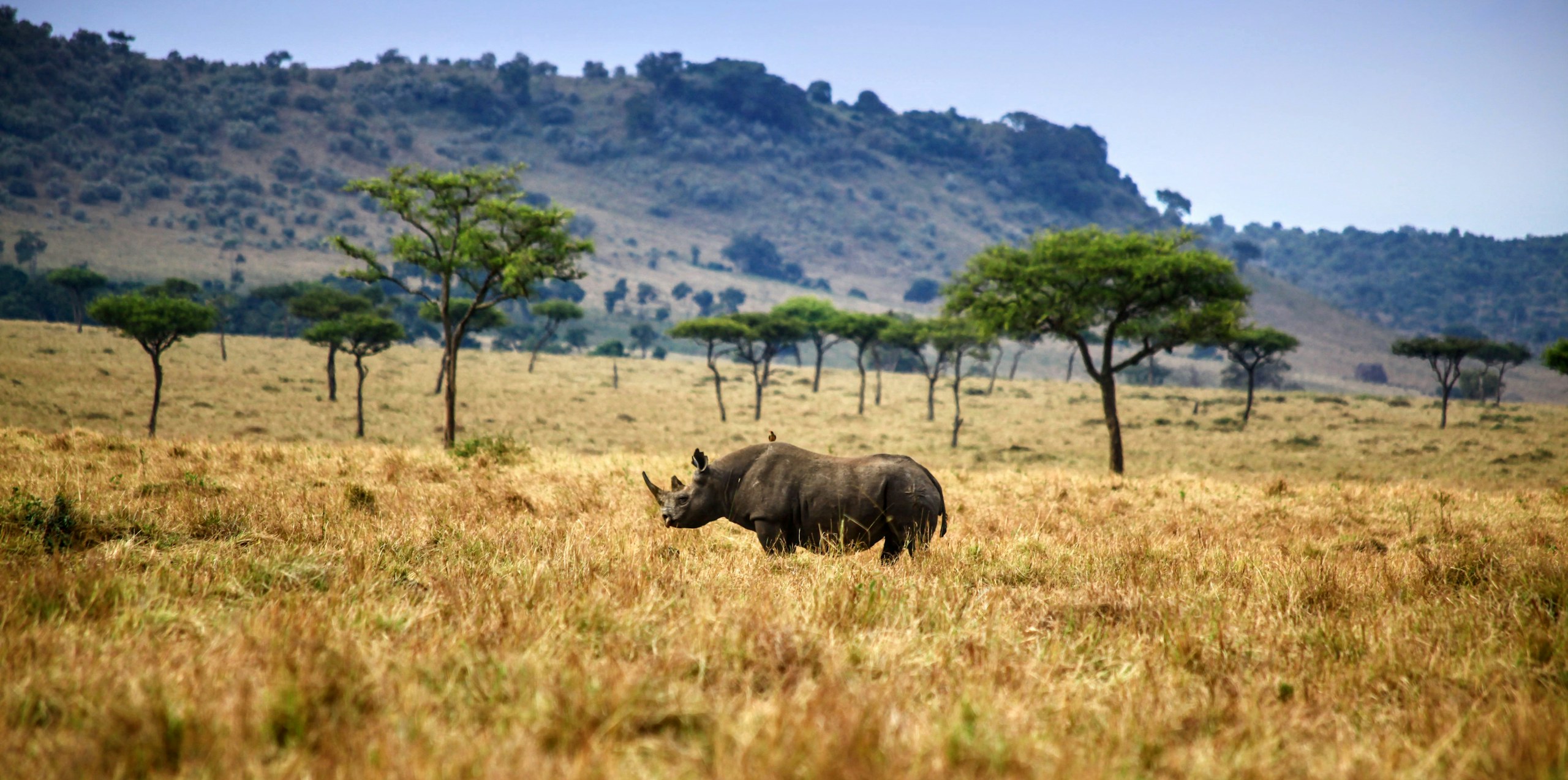
Black rhinos in the reserve
Up from a low of 11 in 1984, Narok County says: one of only two indigenous black rhino populations left in Kenya.
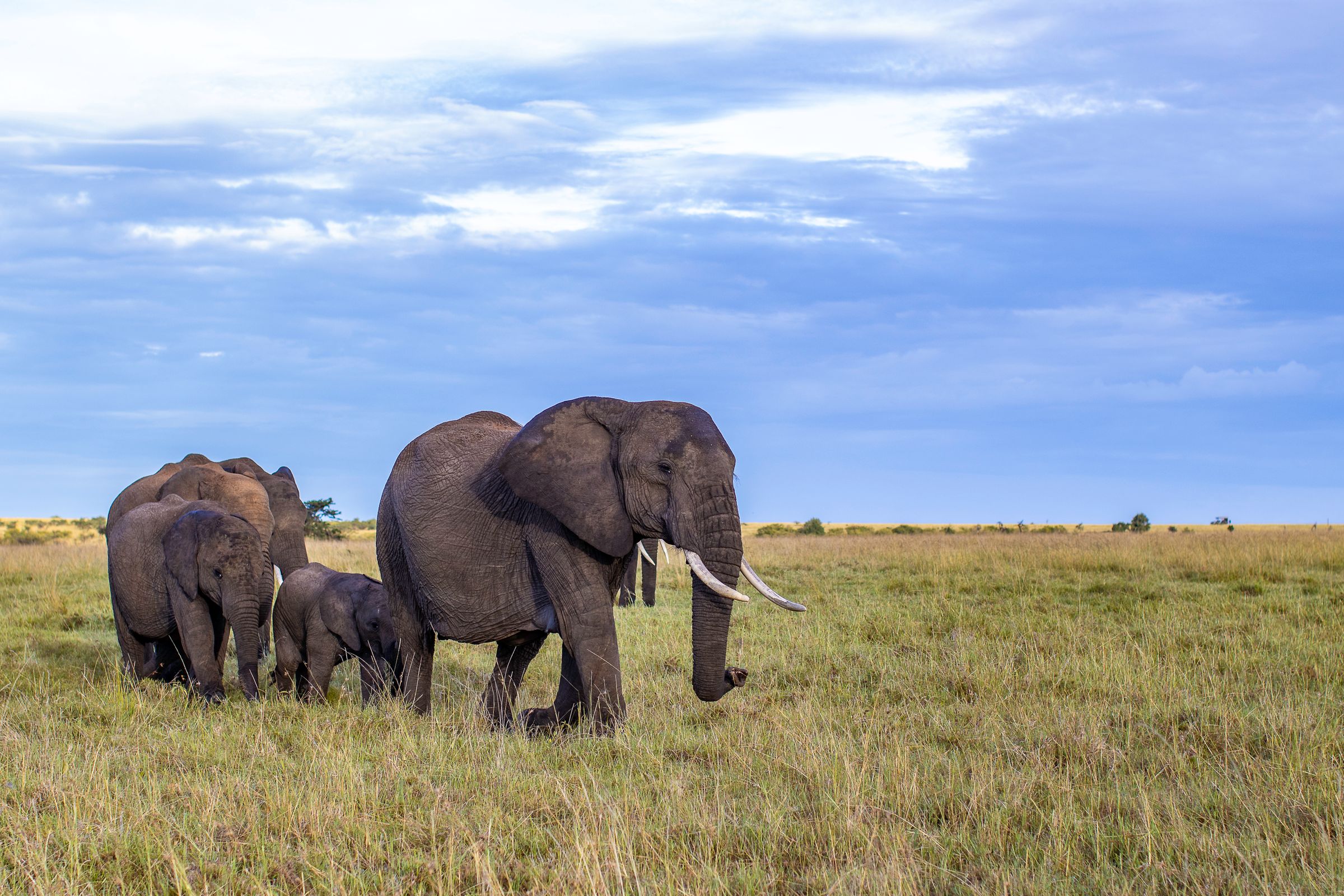
Endangered2,702
Elephants in the Mara ecosystem
The Kenya Wildlife Service's 2024 count, up from 2,595 in 2021.
Vulnerable6,674
Mature cheetahs left in the wild, worldwide
The IUCN Red List's count, and falling (assessed 2014).
VulnerableNo count
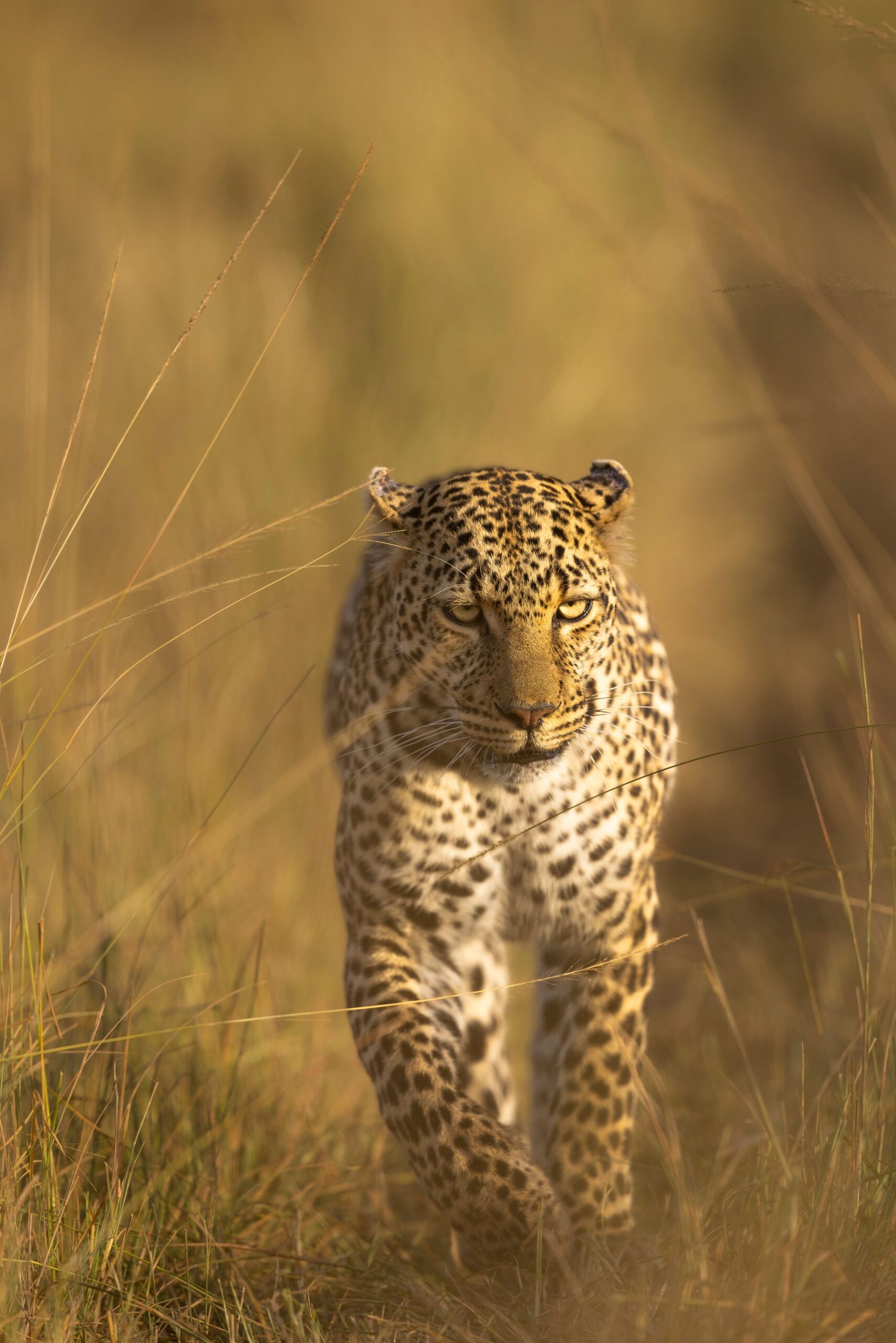
Leopards
Mostly nocturnal, so nobody can promise one. In the reserve a vehicle may leave the road to watch one only in its less-visited zones.
470+
Bird species in the reserve
The Mara Conservancy has recorded more than 470 in the reserve; Narok County says over 500, including six of Kenya's seven vulture species. Pictured: a white-backed vulture.
Sources and photo credits
Sources: Narok County, Maasai Mara National Reserve Management Plan 2023-32; the Kenya Wildlife Service's 2025 census as the Mara Conservancy reported it; IUCN Red List (lion 2025, leopard 2022, savanna elephant 2020, black rhino 2020, cheetah 2014). Vulture photo: John Cameron on Unsplash.
08
Getting to the Masai Mara: by light aircraft or by road
Flying saves several hours on the road; driving lets you stop on the way. We price both, or one each way.
Nairobi, Wilson Airportthe Mara airstrips
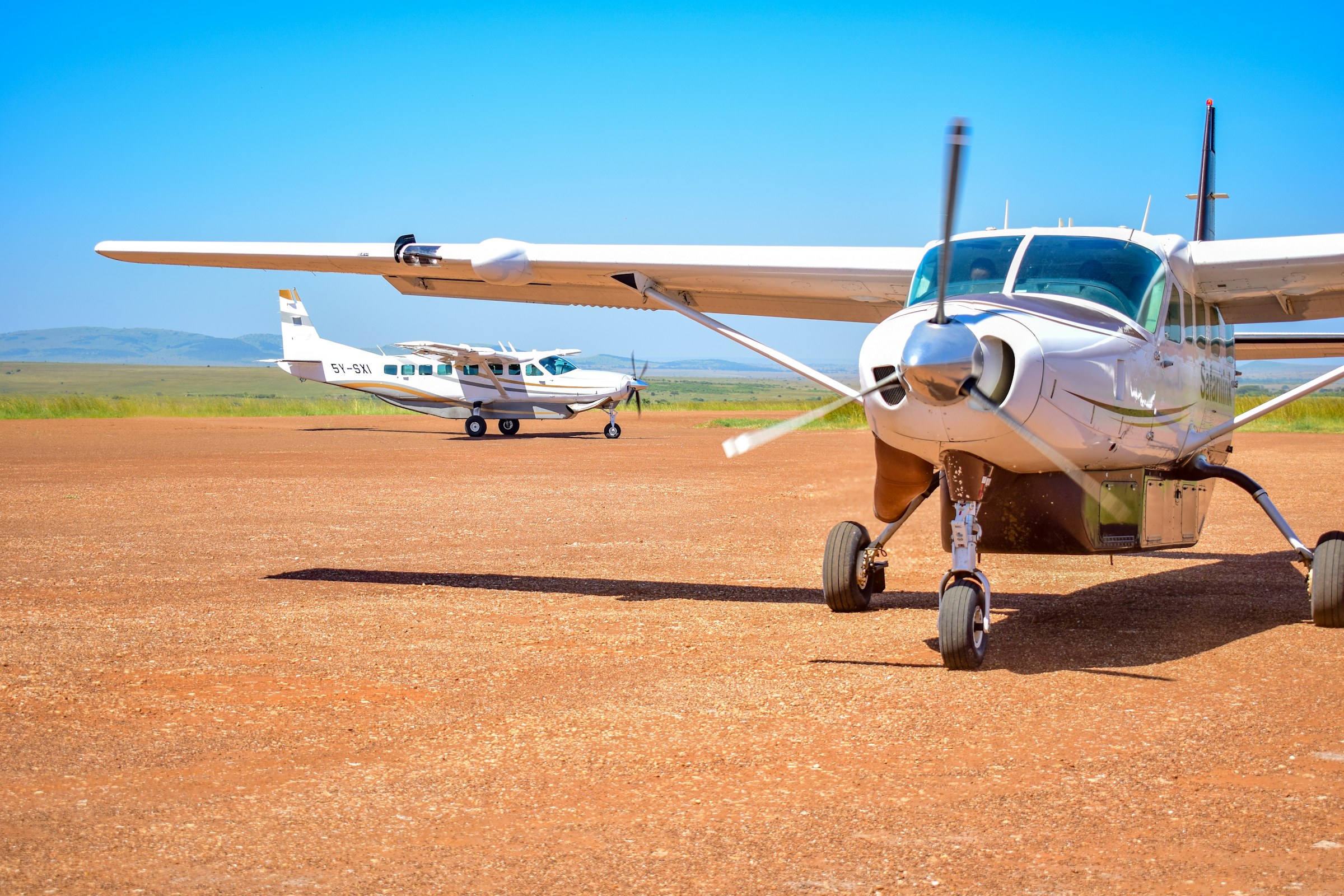
Safarilink flies four times a day and Airkenya three. The plane stops at each airstrip where passengers are booked, so a later stop means a longer flight. 15 kg of luggage each, in soft bags.
45 minto an hour, to the first airstrip
NairobiSekenani Gate
About 230 km. The drive takes longer if you leave Nairobi at rush hour.
3¼ hwithout traffic
Lake NakuruSekenani Gate
195 km, the way our Kenya safari arrives.
4¼ hwithout traffic
Kogatende, Serengetithe Mara
Coastal Aviation flies to Tarime, drives you across the border to Migori and connects with Safarilink to the Mara. On request, for two or more.
1 dayby air and road
Sources: Safarilink and Airkenya timetables; Safarilink's luggage rules; Coastal Aviation's timetable. Road times are routing estimates (OSRM), without traffic.
Add to a Masai Mara safari: the Serengeti, Lake Nakuru, Samburu or gorillas
Three or four nights suit the Mara. These places add what it does not have.
Our Masai Mara safari, with Samburu and Lake Nakuru
Three nights in the Mara at the end of a week in Kenya: Samburu in the dry north first, then the rhinos of Lake Nakuru. We can also join the Mara to the Serengeti across the border, or to a gorilla trek in Uganda or Rwanda.
Longer, shorter, a different month, two countries in one run. Say what you have in mind and a first route and a real price come back within one working day.
Answered from the published rules and counts of Narok County and the Mara Conservancy, the airlines' own rules and the US CDC.
When is the best time to go on a Masai Mara safari?
For the migration, usually August to October, with the herds by the Mara River from late July to early November, the Serengeti Biodiversity Program says; the Mara Conservancy says they usually arrive in June or July and stay until November. July to October is also the dry season; the rains usually fall around November to January and March to May. The park fee is half from January to June.
How many days do we need in the Mara?
Three nights gives you three full mornings on the plains, which is what our Kenya safari allows. Add a night if a river crossing is the reason you are going, because nobody can say which day the herds will cross.
Should we stay in the reserve, the Mara Triangle or a conservancy?
It depends on what you want most. The main reserve and the Mara Triangle hold the Mara River, where the herds cross, and there you watch by day from the vehicle. The private conservancies beside the reserve limit their beds, Naboisho to 150 in eight camps, and several offer guided walks and night drives. You can split your nights between the two.
Can we go on a walking safari or a night drive in the Mara?
Not in the reserve: Narok County's rules allow no walking, horseback or bicycle safaris and no night drives. Several private conservancies beside it do. Mara North offers bush walks, horse riding and night drives in set areas, with red filters, back by 10pm, and Naboisho offers guided walks and night drives.
How do we get to the Masai Mara from Nairobi?
By air, 45 minutes to an hour from Wilson Airport to the first airstrip: Safarilink flies four times a day and Airkenya three. By road, about 230 km to Sekenani Gate, about three and a quarter hours without traffic. We price both, or one each way.
Will we see a river crossing?
Nobody can promise one. The Mara Conservancy calls crossings difficult to predict and says most now take place in Tanzania; it counted only about 14 days of crossings in the main reserve in the year to early 2026. Tanzania National Parks gives August to October as the months for crossings on the Kenyan side.
How much are the Masai Mara park fees?
For an adult from outside East Africa, USD 100 a day from January to June and USD 200 from July to December, under Narok County's 2023 Finance Act; children aged 9 to 17 pay USD 50 and children of 8 and under go free. The Mara Triangle charges the same. The county is drafting changes, so 2027 rates may differ. Our safari prices include the park fees.
What is the 12-hour rule in the Masai Mara?
The daily park fee buys a 12-hour ticket, from 6:00 in the morning to 6:00 in the evening, whatever time you enter, and it does not carry over into the next day. That is how the Mara Conservancy sets it out for the Mara Triangle, and Narok County's Finance Act defines the reserve's entry fee the same way.
Is the Masai Mara or the Serengeti better?
They are one ecosystem across a border, and the better one depends on your month. The herds are usually on the Mara side from about August to October, and in the Serengeti for the rest of the year, with calving in the south around February. The Mara's private conservancies add guided walks and night drives, which the reserve does not allow.
How much does a Masai Mara safari cost?
It depends mostly on four things: the camp you choose, whether it sits in the reserve or a private conservancy, whether you fly or drive between parks, and the month: the park fee doubles from July to December. Each safari's page shows its current price per person, and we price your own route when you send your dates.
Do we need malaria tablets or a yellow fever vaccine for the Mara?
The US Centers for Disease Control and Prevention advises malaria tablets for all of Kenya below 2,500 metres, game parks included, and recommends the yellow fever vaccine for travellers aged 9 months and over, except for travel only to Nairobi, the north-east and the coast. The Mara is in neither exception. Ask your doctor or a travel clinic.
Send your dates and we email you a Masai Mara route and price.
Tell us roughly when you can travel, how many days you have, and whether the river, walking or a quieter camp matters most.
01Send your datesRoughly when, how many days, and what you most want from the Mara.
02Get a route and a price by emailCamps, nights and transfers for your dates, with the cost per person.
03Change the route until it fitsThe month, the camp or the length.