Travel guide
Uganda or Rwanda for gorilla trekking: how to choose
Uganda and Rwanda side by side: gorilla permit prices, how hard the trek is, travel times and when to go.
Uganda and Rwanda compared
| Uganda | Rwanda | |
|---|---|---|
| Gorilla permit, per person | USD 800 | USD 1,500 |
| Low-season permit price | USD 600 in April, May and November; these permits cannot be moved to another date | 30% off (USD 1,050) from November to May, if you also spend two nights and one paid activity in Akagera or Nyungwe |
| Where you trek | Bwindi Impenetrable National Park and Mgahinga Gorilla National Park | Volcanoes National Park |
| Habituated gorilla families | 25 in Bwindi, 1 in Mgahinga | 12 |
| Time with the gorillas | One hour, or up to four on the habituation experience | One hour |
| Distance to keep from the gorillas | 10 metres | 7 metres |
| How long the trek takes | 2 to 7 hours in all | 30 minutes to 4 hours or more to reach the family, and as long back |
| Trekking terrain and altitude | Steep ridges and dense forest, 1,160 to 2,607 metres in Bwindi | Bamboo on the volcanoes, at 2,500 to 4,000 metres |
| From the airport | About 9.5 to 10.5 hours' drive from Entebbe, or about 1 hour 15 minutes by air; about 4 to 4.5 hours by road from Kigali to southern Bwindi | About 2.5 hours by road from Kigali airport |
| Minimum age | 15 | 15 |
| Pairs well with | Chimpanzees in Kibale, the Kazinga Channel, Murchison Falls | Golden monkeys, Nyungwe Forest, Akagera, Lake Kivu |
What the permit costs
A gorilla permit costs USD 800 in Uganda and USD 1,500 in Rwanda. Everything else about the two treks is closer than that gap suggests.
Uganda: USD 800 per person for visitors from outside East Africa, set by the Uganda Wildlife Authority, and it stays at USD 800 in 2027. It covers the guided trek, park entry for the day and a contribution to the communities around the park.
In April, May and November the same permit costs USD 600. The lower price was introduced in February 2026, these permits cannot be moved to another date, and the authority has not yet said whether the offer continues in 2027.
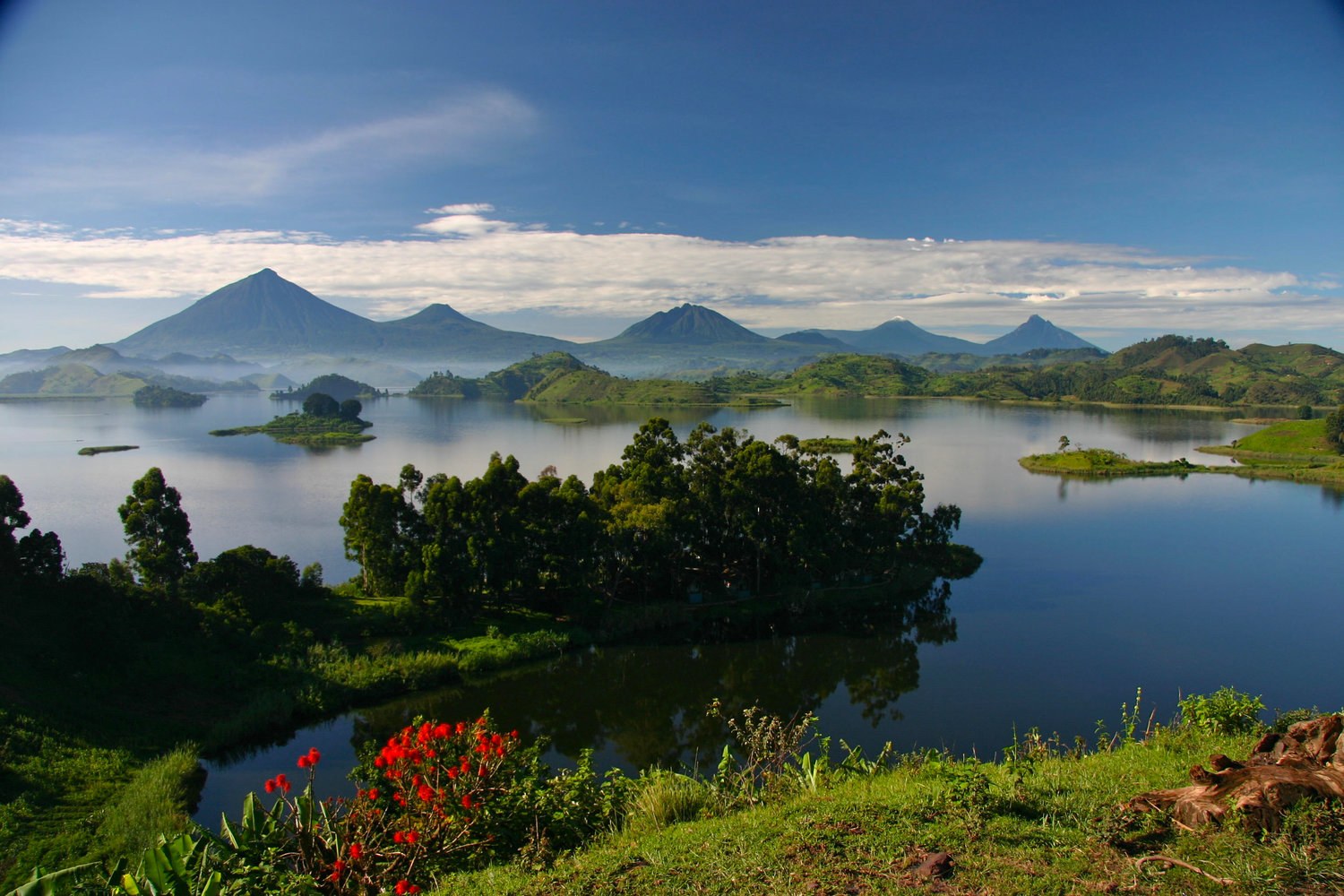
Rwanda: USD 1,500 per person for foreign visitors, set by the Rwanda Development Board, for Volcanoes National Park. From November to May the board takes 30% off, which makes it USD 1,050, if you also spend two nights in Akagera or Nyungwe National Park and pay for one activity there. Each person can use the discount once.
Uganda also offers the habituation experience: up to four hours in Bwindi with a family that is still getting used to people, alongside the researchers and habituators working with it. It costs USD 1,500 per person in 2026 and USD 1,800 from 1 January 2027, and it starts at 6:30.
Booking and changing a permit
In Uganda, permits for visitors from outside East Africa are sold through tour operators licensed by the Uganda Tourism Board. They can be booked up to a year ahead and, since March 2026, are paid in full when booked. A standard permit can be moved to another date twice if you ask at least 14 days before the trek: the first change is free and the second costs 25% of the permit.
In Rwanda, you can book a permit yourself on the government's Irembo platform or through a tour operator, and moving the date costs 20% of the permit.
Whichever country you choose, book the permit before you book flights or lodges. Everything else in the trip is planned around its date.
What the trek is like
The day starts at the park with a briefing. In Uganda, tracking starts at 8:00 from your sector's visitor centre. In Rwanda, you report at 7:00 at the park headquarters in Kinigi. You then walk with guides and trackers, in a group of no more than eight.
Reaching the gorillas can take under an hour or most of the day, and the walk back can take as long again. Your hour with the gorillas starts when you reach the family.
Bwindi, Uganda
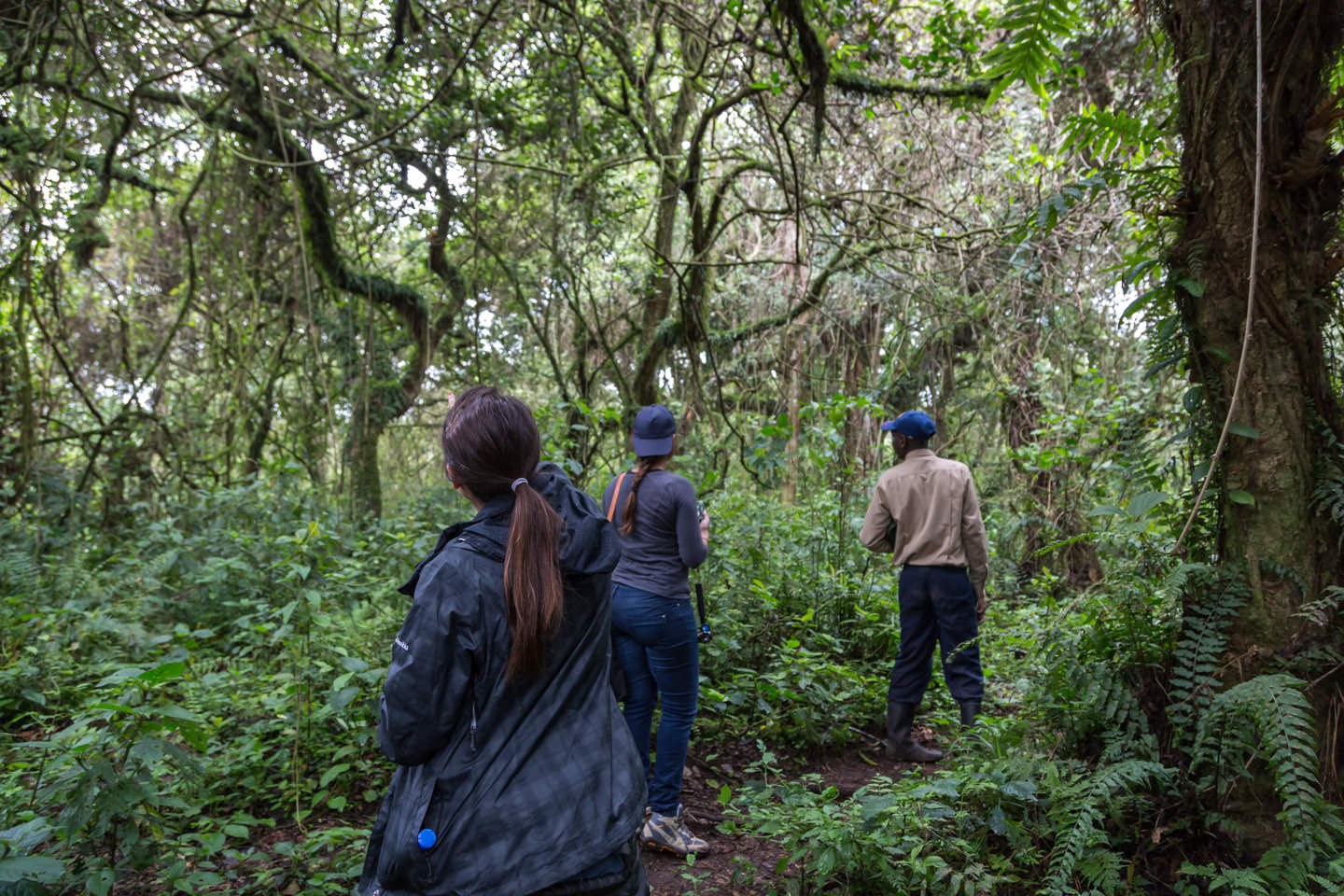
Bwindi Impenetrable is a forest of steep ridges and deep valleys between 1,160 and 2,607 metres. The last stretch to a family can be off the path, through thick undergrowth.
The Uganda Wildlife Authority counts 25 habituated families in Bwindi, in four sectors: Buhoma, Ruhija, Rushaga and Nkuringo. The sectors are hours apart by road and your permit is for one of them, so your lodge needs to be in the same sector. Which family you visit is decided on the morning.

Uganda's second gorilla park, Mgahinga, lies on the Virunga volcanoes beside the Rwandan border. It has one habituated family, Nyakagezi.
Volcanoes National Park, Rwanda
Volcanoes National Park covers the Rwandan side of the Virunga volcanoes. Guides and trackers lead each group up slopes covered in bamboo, and the families live between about 2,500 and 4,000 metres, so the altitude can make even a short walk hard work.
Rwanda's official tourism site, Visit Rwanda, lists twelve habituated families. The walk to them takes from 30 minutes to four hours or more, and on the morning of the trek each group is matched to a family, partly by how fit the group is.
In both parks, porters from the communities around the park will carry your bag and give you a hand on steep ground, for a fee.
How fit you need to be
You do not need to be an athlete, but you do need to be able to walk for several hours on steep, often muddy ground, and in Rwanda at altitude.
The Uganda Wildlife Authority says a gorilla trek in Uganda takes 2 to 7 hours and needs moderate fitness.
Nobody can tell you in advance how long your own walk will be: it depends on which family you are given and where it is that day.
What helps most is to walk slowly and drink plenty of water, as the Rwanda Development Board advises, and to hire a porter. In Rwanda, families are matched to groups partly by fitness, so say at the briefing how far you can comfortably walk.
The rules with the gorillas
The rules protect the gorillas, which catch human illnesses. They are almost the same in both countries. The one difference is the distance: 10 metres in Uganda, 7 metres in Rwanda.
- Do not trek with a cold, flu or any other infection. In Uganda, anyone who shows signs of illness before the trek is not allowed to go.
- Keep your distance: 10 metres in Uganda, 7 in Rwanda.
- Stay one hour with the family, then leave.
- Do not use a flash.
- Do not eat, drink or smoke near the gorillas.
- If you need to cough or sneeze, cover your face and turn away.
- Keep your voice low and avoid sudden movements.
- If a gorilla comes towards you, stay still, look away and do what your guide tells you.
- Leave no litter.
Getting there
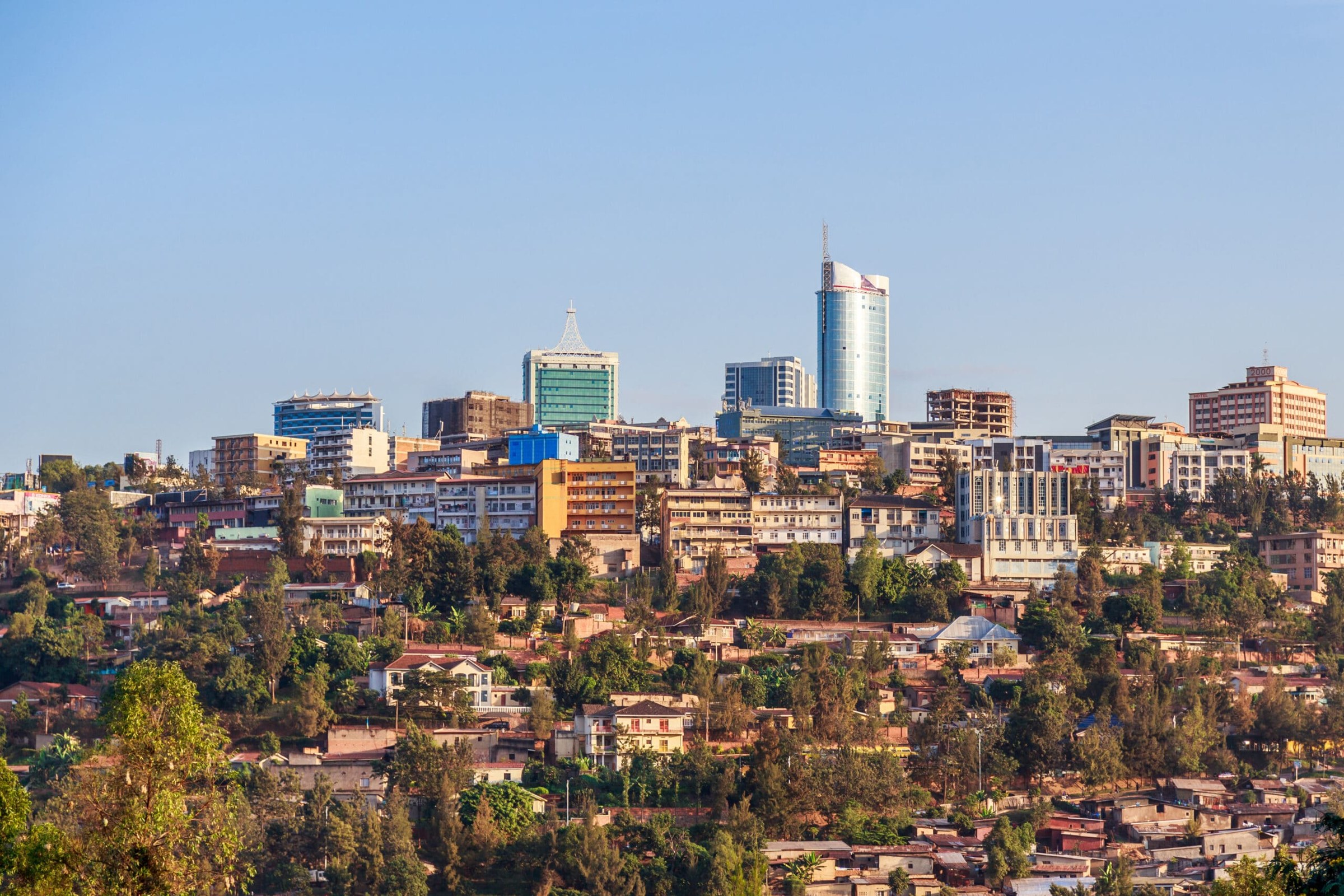
Rwanda is the short transfer. Volcanoes National Park is about two and a half hours by road from Kigali International Airport, so you can land, trek the next morning and fly out the day after.
Uganda takes longer, or a flight. Bwindi is about nine and a half to ten and a half hours' drive from Entebbe, a full day with stops. Scheduled light aircraft fly from Entebbe to Kisoro, for southern Bwindi, and to Kihihi, for the north, in about an hour and a quarter.
For southern Bwindi, Kigali is the closer international airport. Southern Bwindi is about four to four and a half hours by road from Kigali airport, plus the border: less than half the drive from Entebbe.
When to go
Both parks lie just south of the equator, and gorilla trekking runs all year. What changes through the year is the rain.
June to September and December to February are the drier months. The paths are firmer and the walking is easier, so book permits for these months early.
March to May, and October and November, are wetter. The forest is muddier and greener, and in April, May and November Uganda's permit drops to USD 600. Rwanda takes 30% off its permit from November to May if you also spend two nights in Akagera or Nyungwe.
Where you stay
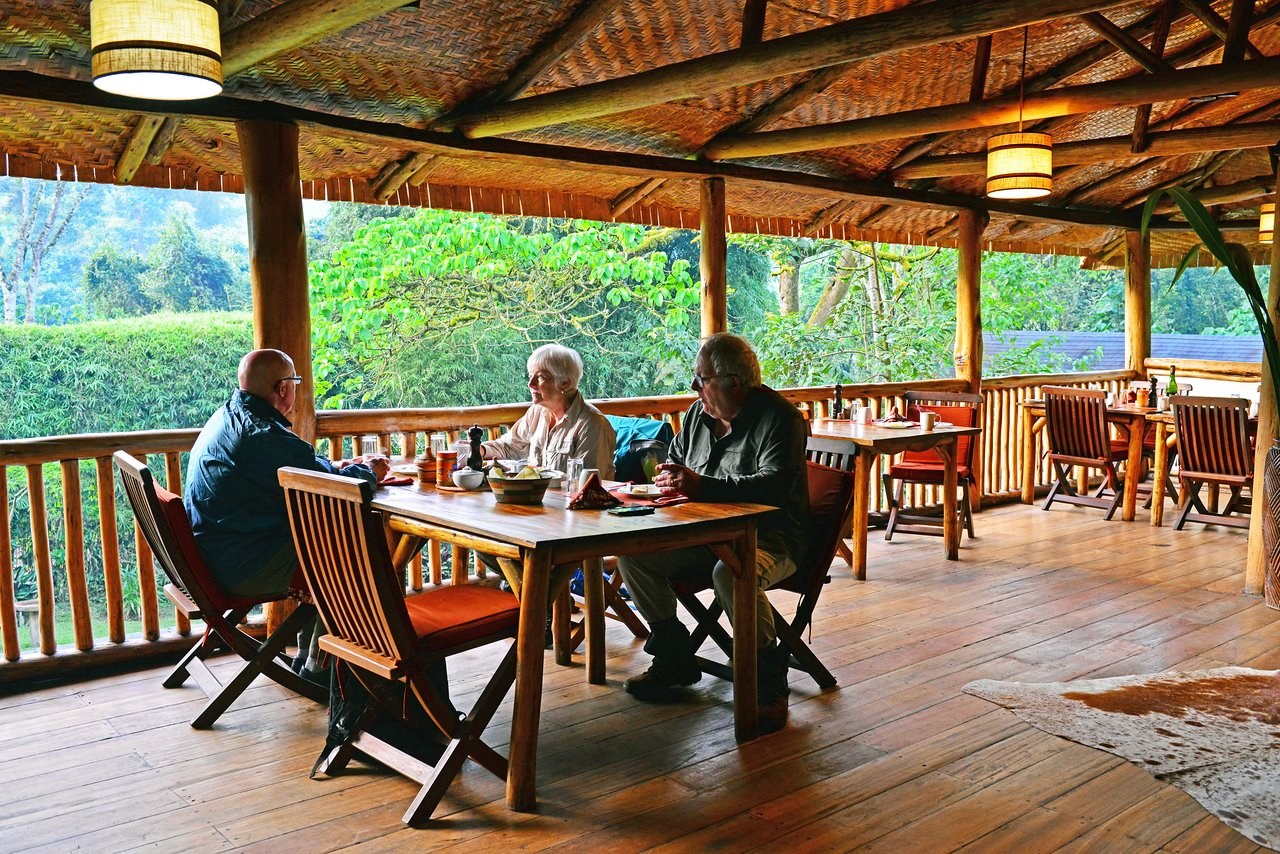
In Uganda, stay in the sector your permit is for. The four sectors of Bwindi are hours apart by road and tracking starts at 8:00, so you want to be close to your sector's visitor centre, not an hour away on a dirt road before dawn.
In Rwanda, spend the night before near the park. You report at 7:00 in Kinigi, so stay in a lodge near the park or in Musanze town rather than drive from Kigali that morning.
What to add to a gorilla trek
In Uganda
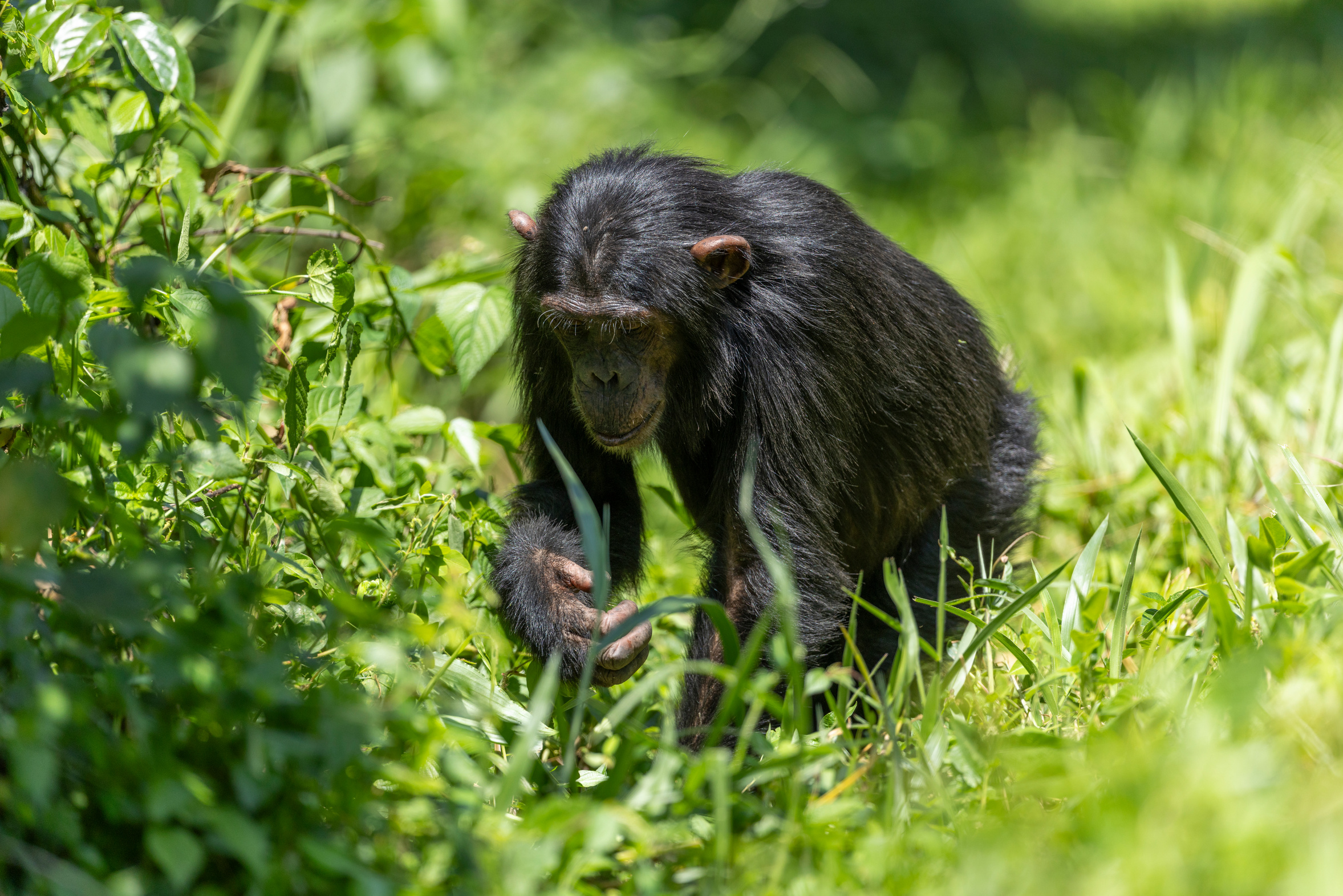
In Uganda the gorillas fit easily into a longer safari: chimpanzees in Kibale Forest, the Kazinga Channel in Queen Elizabeth National Park, the Nile at Murchison Falls, and Lake Bunyonyi to finish.
Chimpanzee tracking in Kibale costs USD 250 per person in 2026 (USD 200 in April, May and November) and USD 300 from 1 January 2027.
In Rwanda
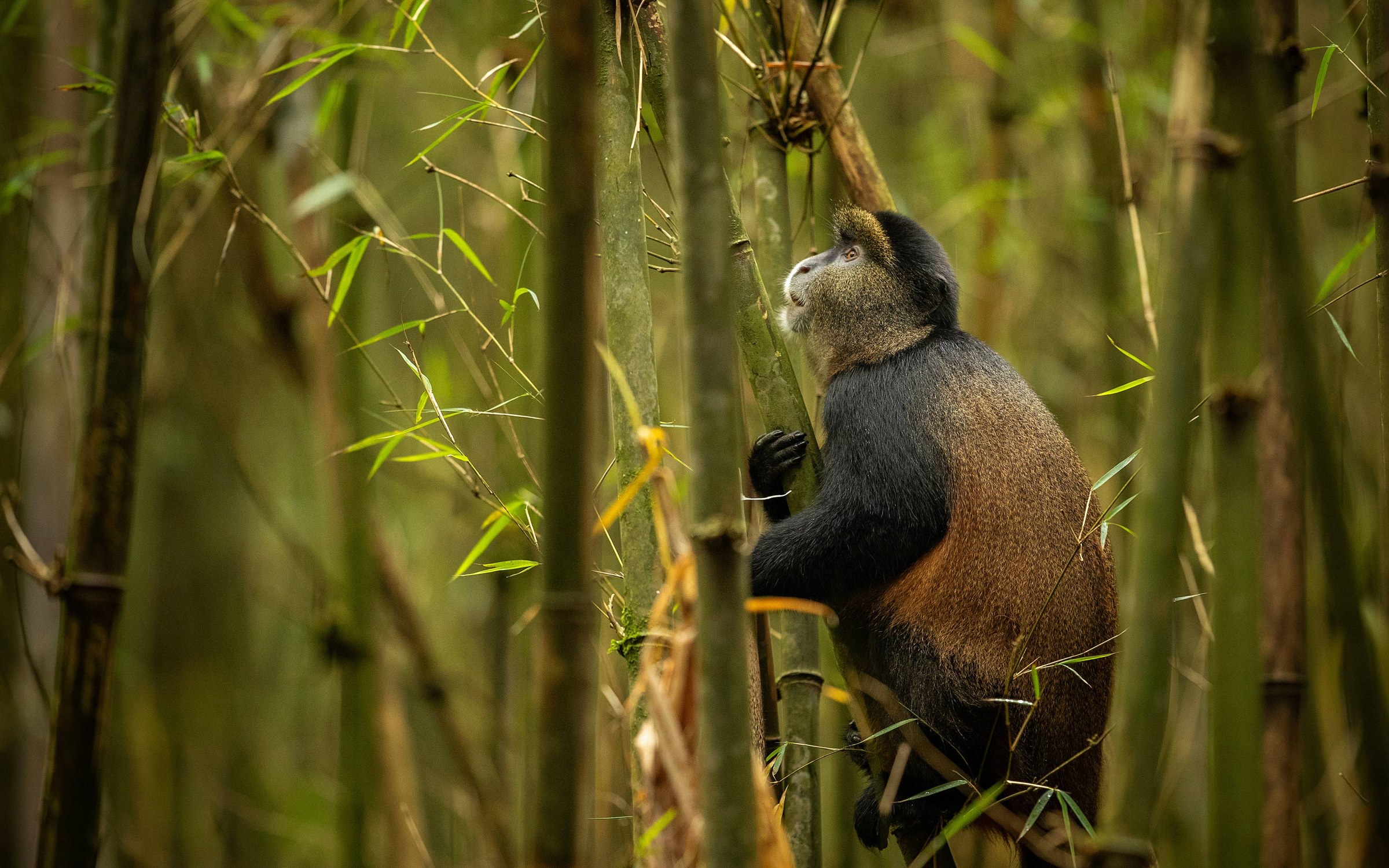
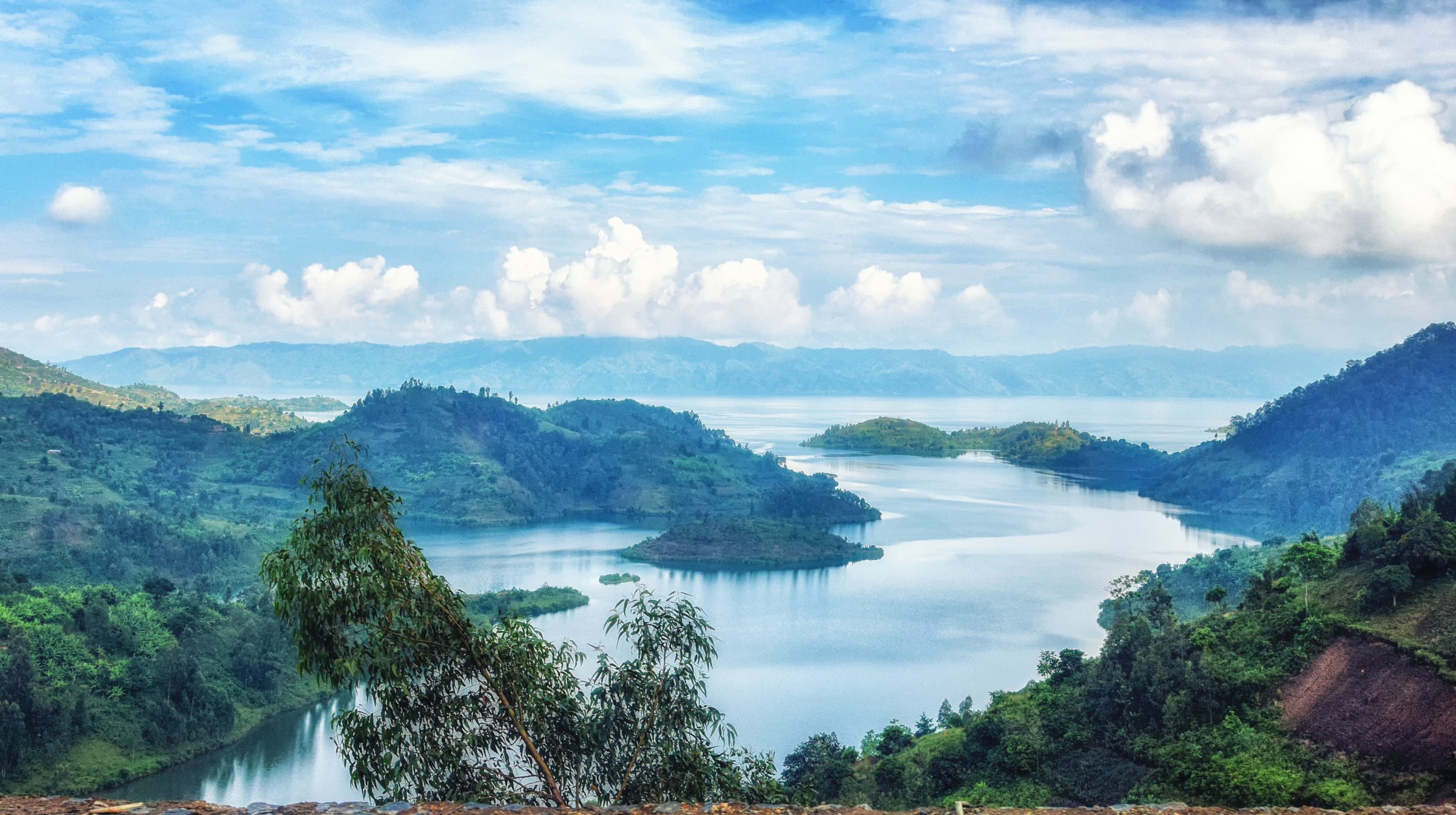
In Rwanda you can add golden monkeys in Volcanoes, chimpanzees in Nyungwe, the Big Five in Akagera, and quiet days on Lake Kivu.
From either country you can fly on to the Maasai Mara or the Serengeti for the Great Migration.
Uganda and Rwanda in one trip
Trekking in both countries on one trip is straightforward. Southern Bwindi is about two and a half hours' drive from Volcanoes, plus the border at Cyanika, and the two forests are different enough that the second trek is not a repeat: Bwindi is dense forest on steep ridges, Volcanoes is bamboo on the slopes of the volcanoes.
One trek in each country costs USD 2,300 per person in permits, USD 700 less than two treks in Rwanda, and one visa can cover both: see visas and health.
What to wear and pack
Expect sun and rain on the same day, nettles on the forest paths and cold evenings at altitude. This list follows the advice of the Rwanda Development Board and Visit Rwanda, and it works in Bwindi too.
- Long trousers and long sleeves, against the nettles
- Walking shoes or hiking boots with a good grip
- Gaiters
- Gardening or leather gloves, for steep ground and nettles
- A lightweight waterproof jacket
- Water and a small snack, eaten away from the gorillas
- Warm clothes for the evenings
- A camera, with the flash turned off
- Your permit and passport
Visas and health
Visas. The East Africa Tourist Visa costs USD 100 and covers tourism in Uganda and Rwanda for 90 days, crossing between them as often as you like. Apply to the country you will enter first. It cannot be renewed, and it ends if you leave the countries it covers. If you are visiting Uganda only, its single-entry tourist e-visa costs USD 50. Rwanda gives every nationality a visa on arrival, free for 30 days to citizens of African Union, Commonwealth and Francophonie countries.
Yellow fever. Uganda requires proof of yellow fever vaccination from every traveller aged one or over. Rwanda requires it from travellers arriving from a country with a risk of yellow fever, and Uganda is one, so carry the certificate if you trek in both.
Travel advice. Read your own government's travel advice for Uganda and Rwanda before you book. It changes, and it can affect your travel insurance.
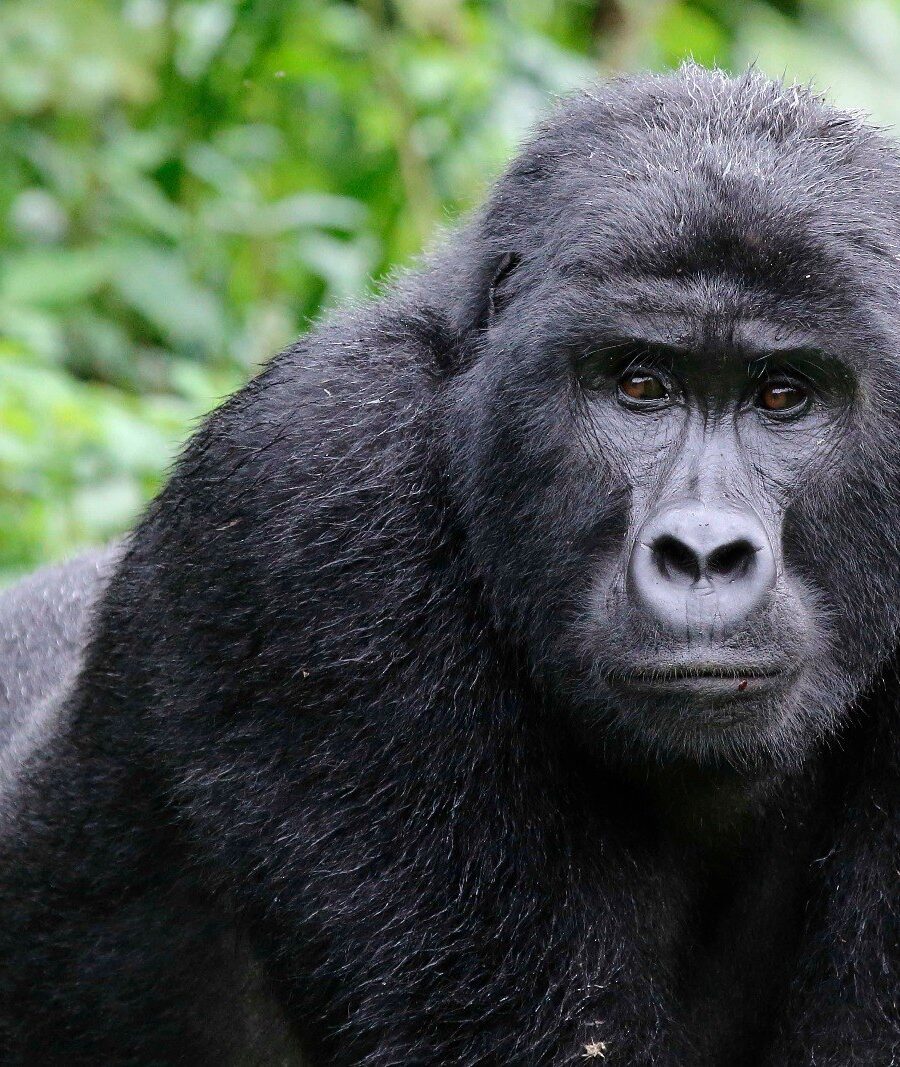 Typically 3 to 5 daysUgandaUganda Gorilla Trekkingfrom USD 3,450per personSee the itinerary
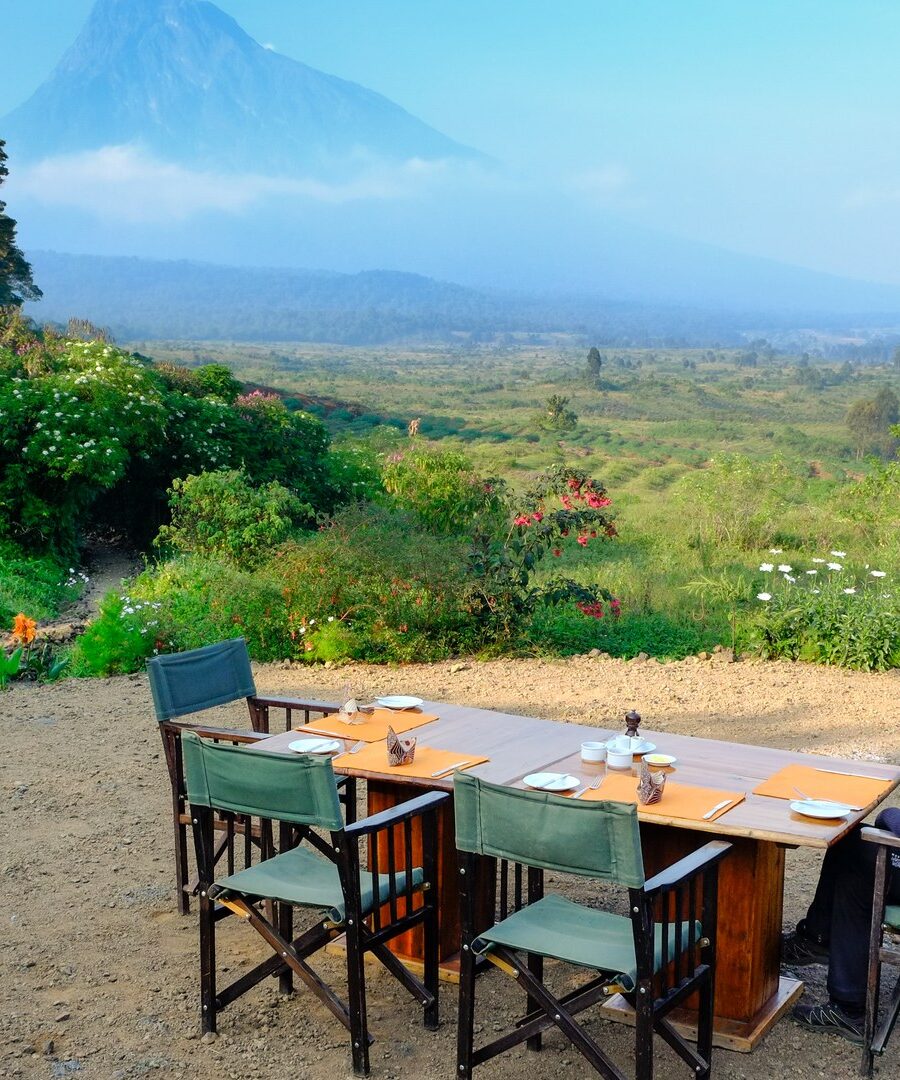 Typically 3 to 5 daysRwandaRwanda Gorilla Trekkingfrom USD 3,900per personSee the itinerary
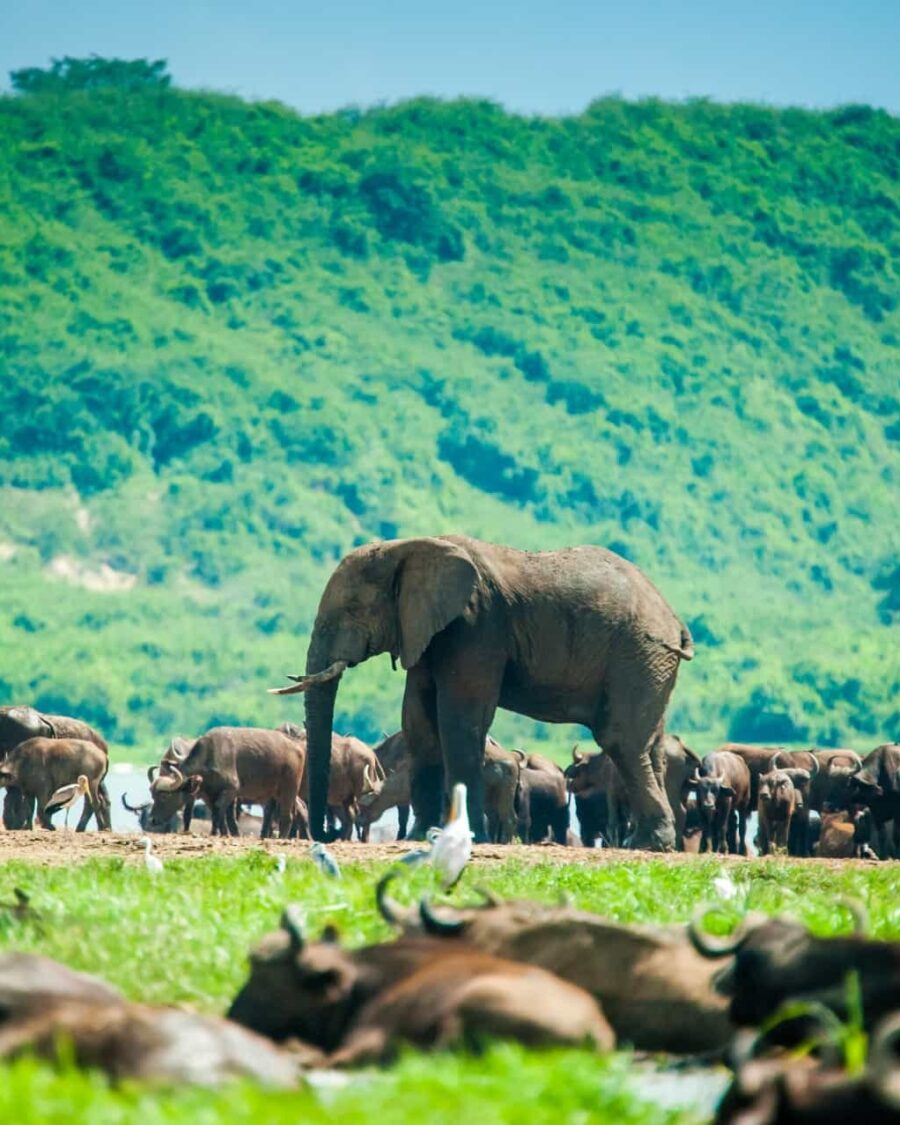 Typically 10 to 14 daysUgandaBest of Ugandafrom USD 3,950per personSee the itinerary
Longer, shorter, a different month, two countries in one run. Say what you have in mind and a first route and a real price come back within one working day.
Start with a dateMore safari travel guides
New guides are being written one at a time. See every guide
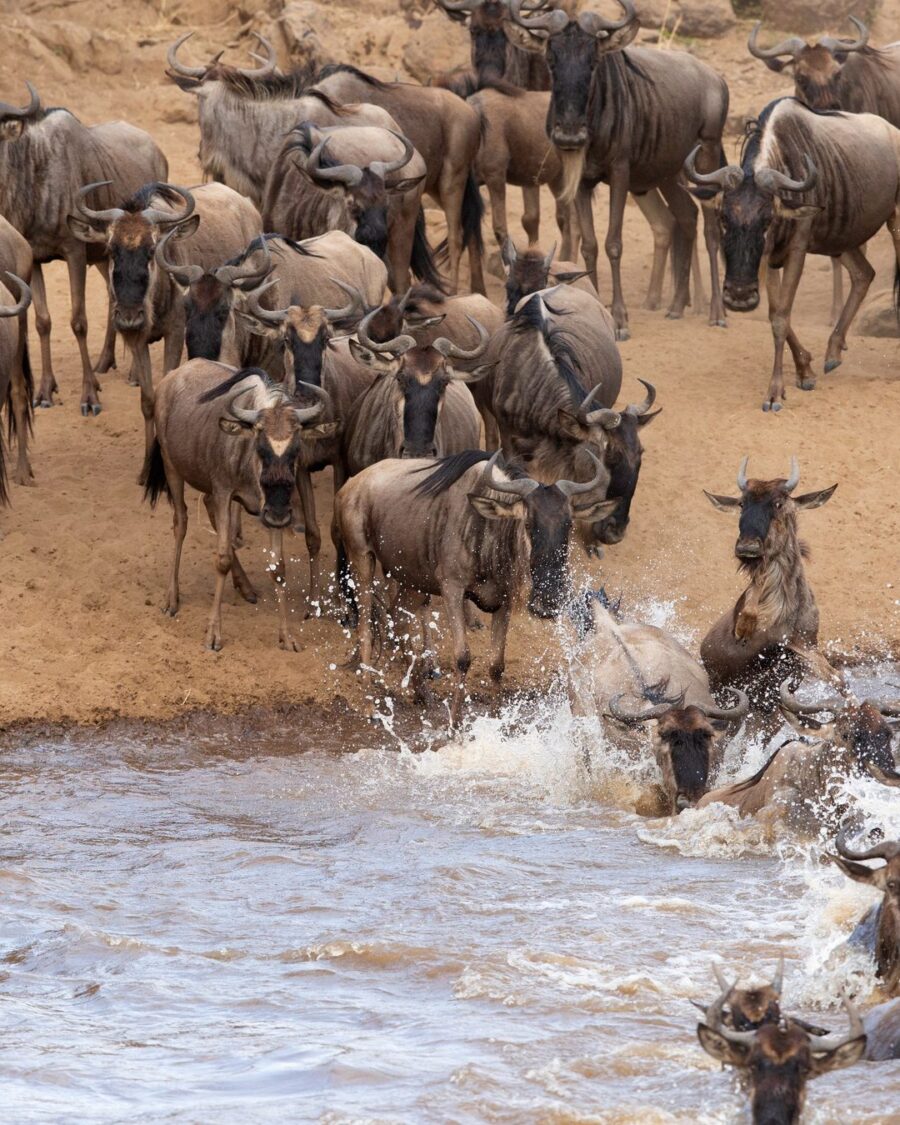 When to see the Great Migration river crossingsRead the guide
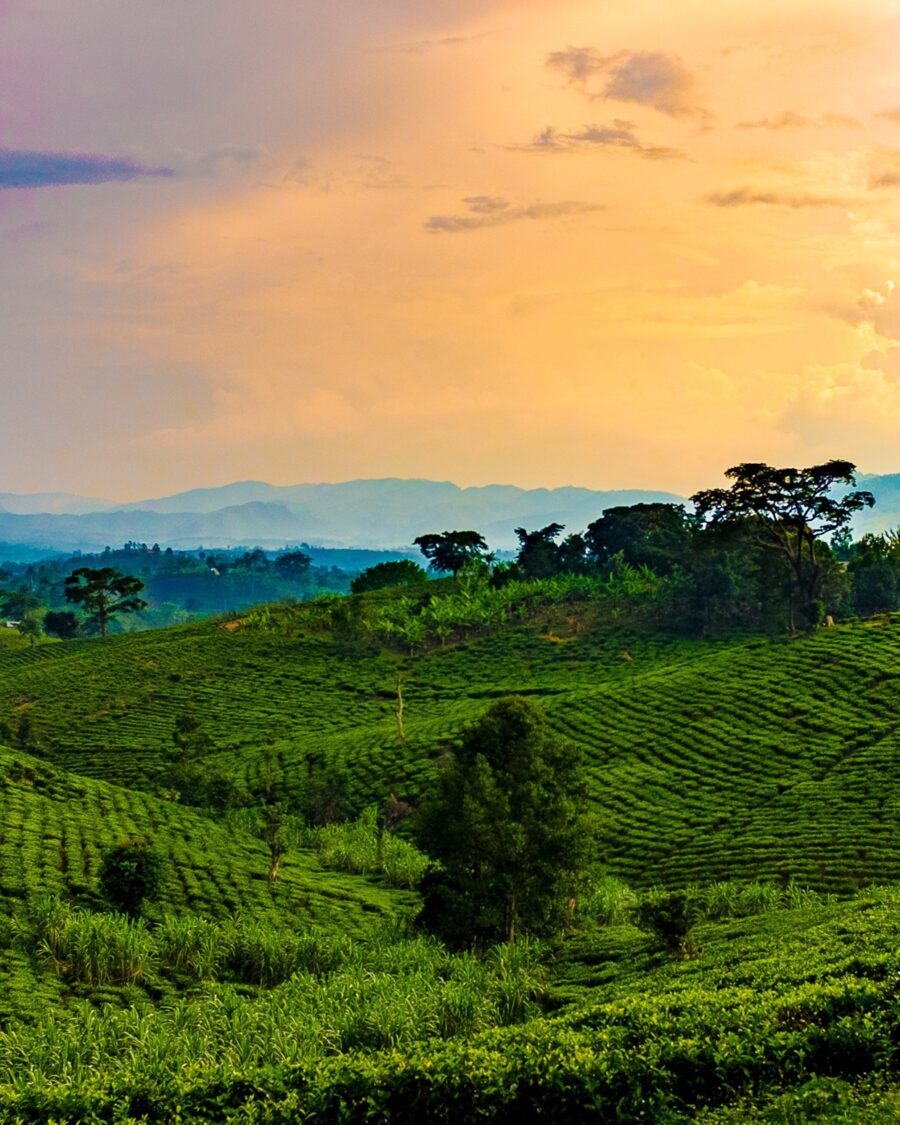 What a gorilla permit actually costs, country by countryComing soon
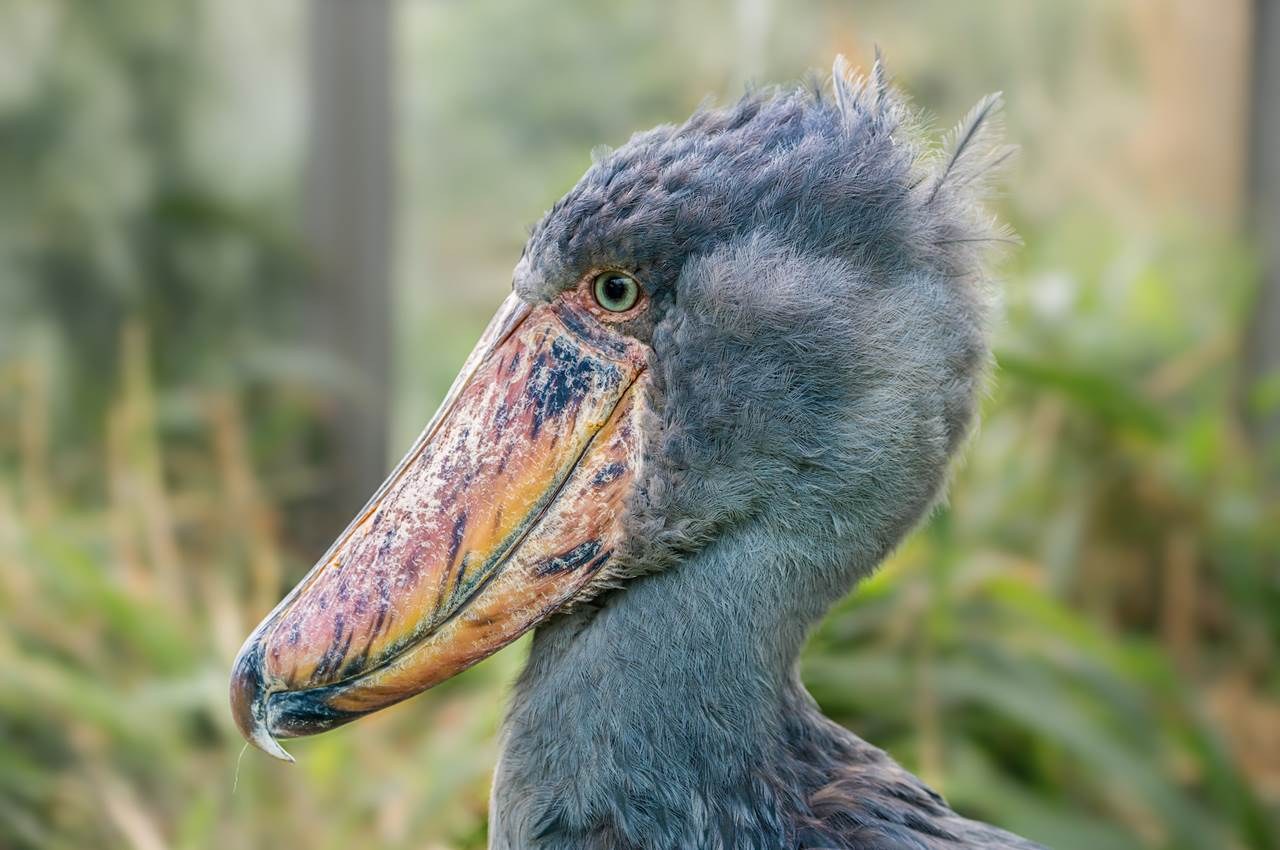 Where to find the shoebill, and whenComing soon
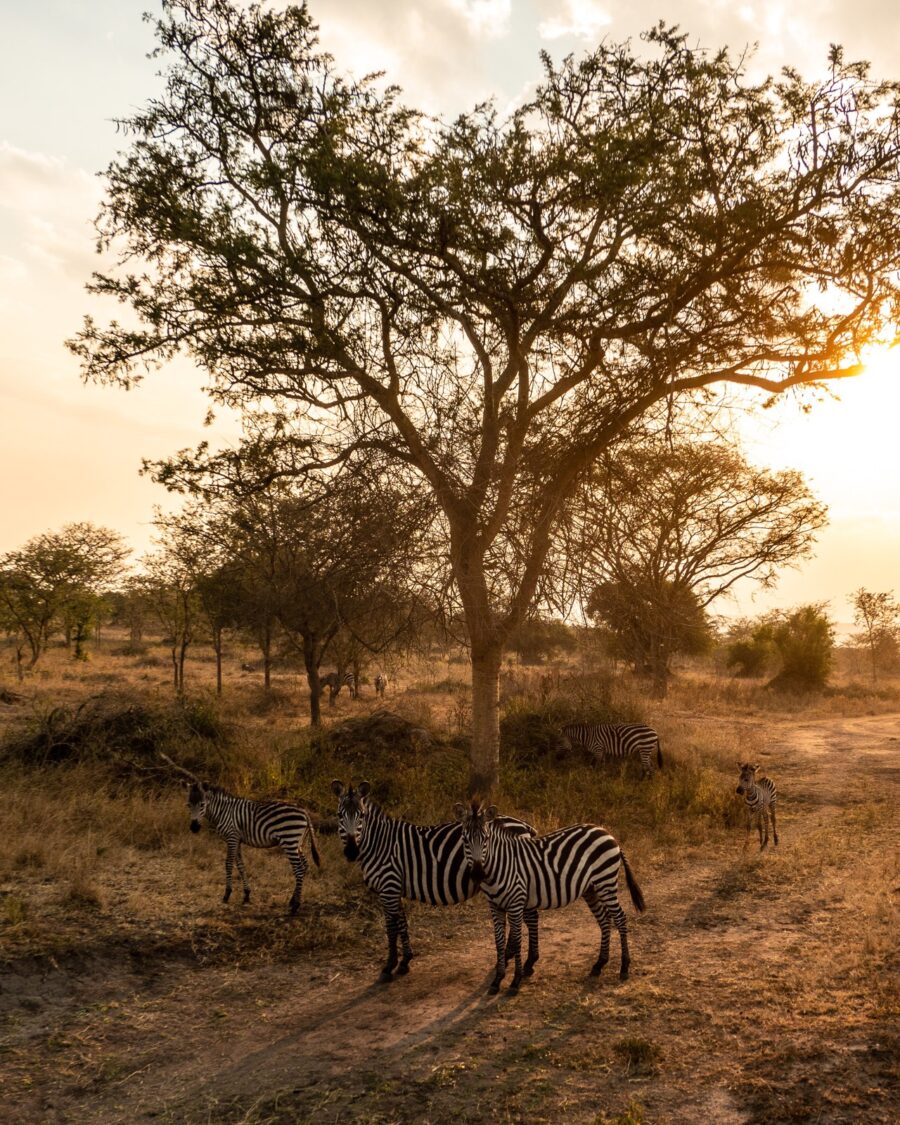 A first safari: how long it really needs to beComing soon
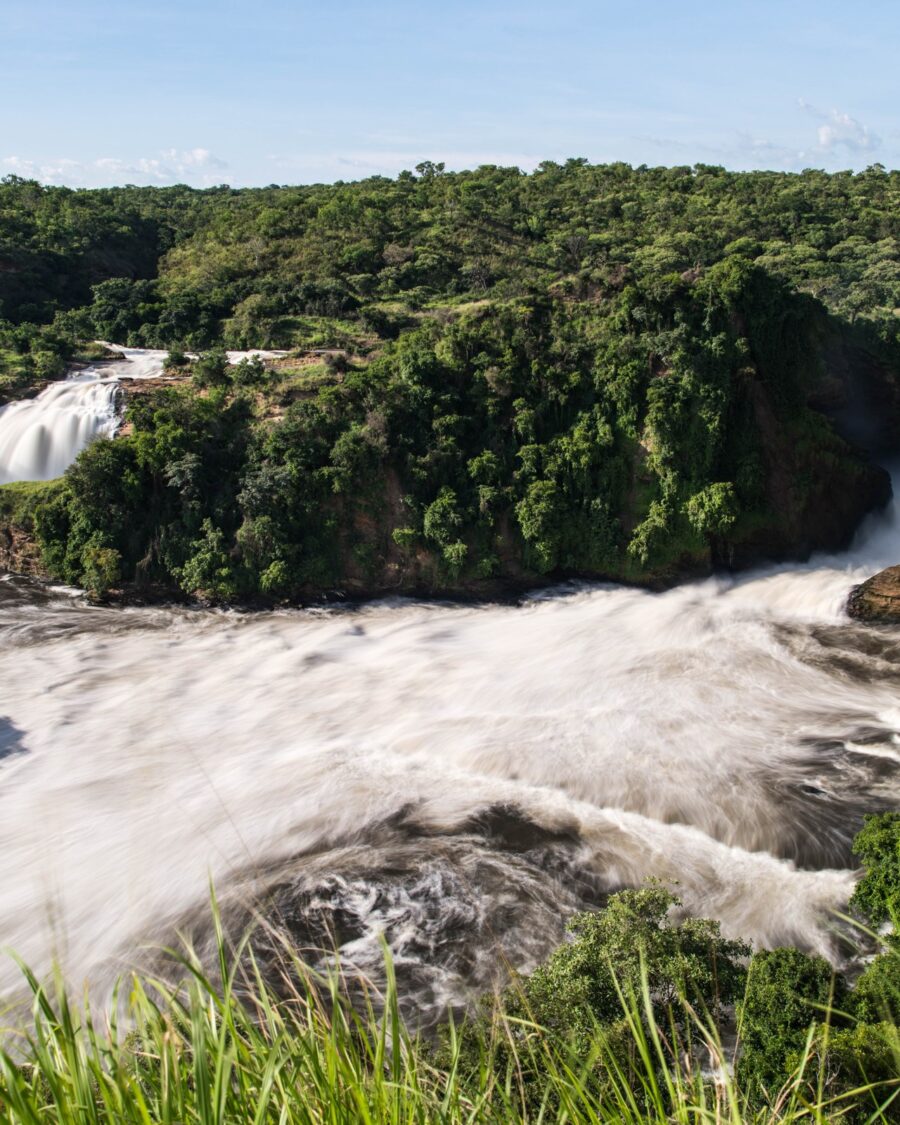 Fitting Murchison Falls into a week in UgandaComing soon