Seven hundred lions in one reserve,
and a flight home from the next town.
The Maasai Mara holds the highest big cat density in Africa, and between July and October roughly 1.3 million wildebeest cross into it. Kenya is also the easiest country in the region to reach and to leave.
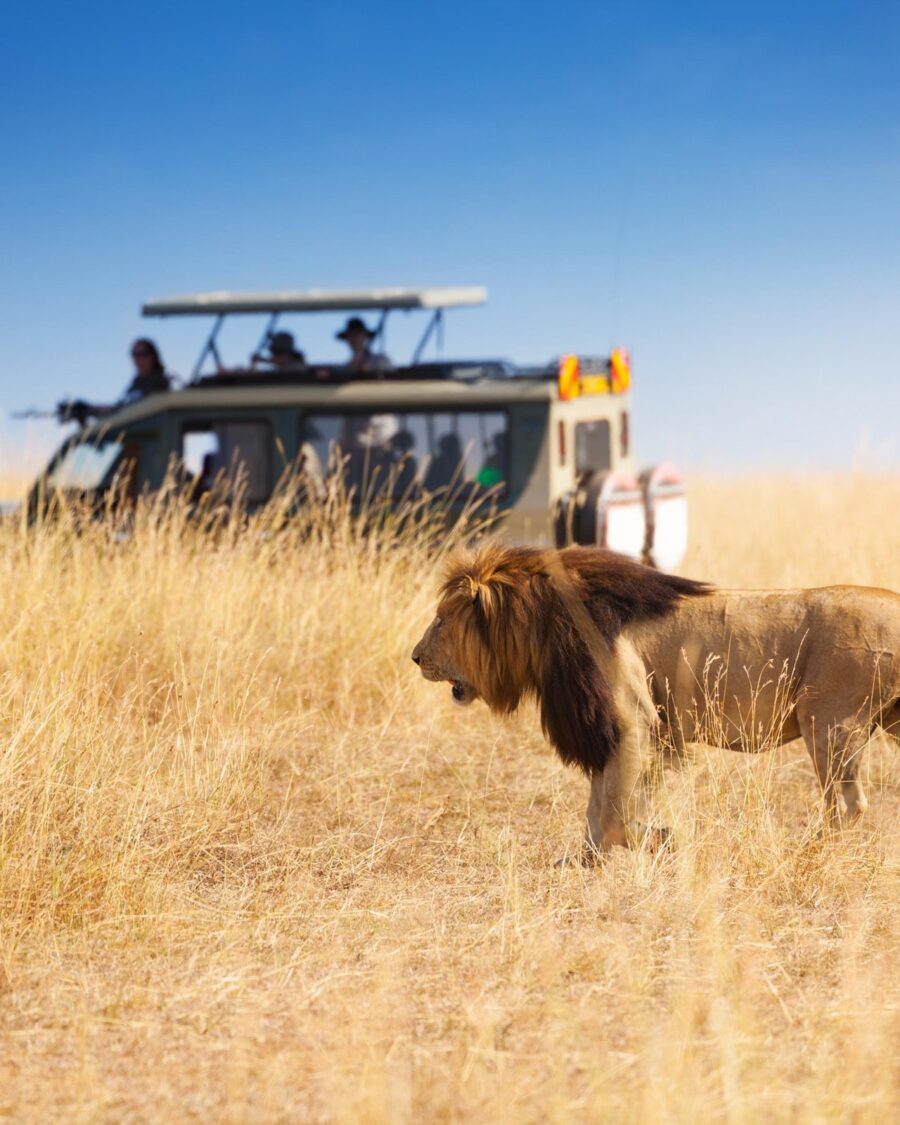
The Maasai Mara is 1,510 square kilometres of open grassland with the highest density of lion, cheetah and leopard anywhere in Africa. Between July and October the wildebeest migration moves into it from the Serengeti, and the Mara River crossings are the single most photographed wildlife event on the continent.
Kenya is also the practical choice. Nairobi is the best connected airport in East Africa, internal flights to every major park take under an hour, and the tourism infrastructure has been doing this for longer than anywhere else in the region.
What it does not have is gorillas, which is why most of our Kenya itineraries are built to join Uganda or Rwanda rather than to stand alone. One trip, two countries, and no doubling back.
Safaris in Kenya
Typically 7 to 10 daysWildlife safariBest of Kenyafrom USD 3,300per personSee the itineraryLonger, shorter, a different month, two countries in one run. Say what you have in mind and a first route and a real price come back within one working day.
Start with a dateThe places worth the drive
Maasai Mara National Reserve
1,510 square kilometres of open grassland, continuous with the Serengeti across the border.
Resident lion, cheetah and leopard all year, and the wildebeest crossings between July and October. The conservancies on its northern edge are quieter and allow night drives.
Amboseli National Park
Small, flat and dominated by the view south to Kilimanjaro, which stands in Tanzania and is best photographed from here.
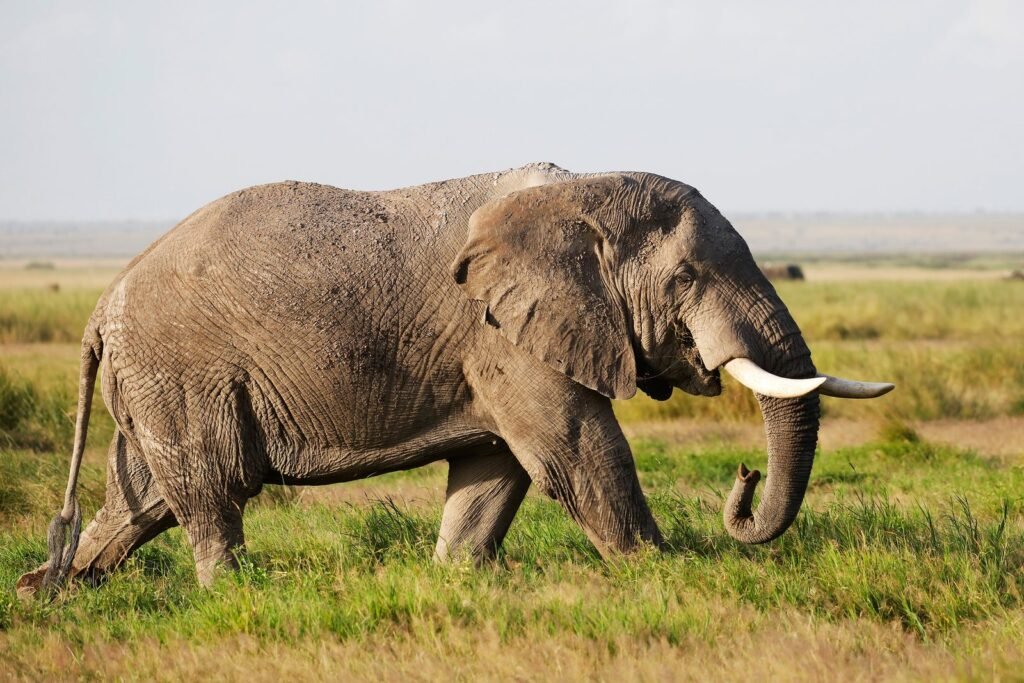
Around 1,600 elephants, many of them studied individually since 1972, which makes this the best understood elephant population on earth.
Samburu National Reserve
Semi-arid country north of Mount Kenya along the Ewaso Ng'iro river, and the only place to reliably see Grevy's zebra, reticulated giraffe, Beisa oryx, gerenuk and Somali ostrich.
Hot, dry, and far less visited than the Mara.
Lake Nakuru and the Rift Valley lakes
A soda lake inside a fenced park, which makes it one of the surest places in Kenya for both black and white rhino.
Flamingo numbers rise and fall with the water level, so treat them as a bonus rather than the reason to go.
The coast
Diani, Watamu and Lamu, an hour's flight from Nairobi, with reef diving and Swahili towns that predate every park in this list.
Three or four nights here turns a safari into a holiday, and the flight timings work.
The year in Kenya
Kenya runs from sea level to 5,199 metres, so the weather depends as much on where you are as on the month. The pattern below is for the Mara and the Rift Valley parks.
The migration window
The herds are in the Mara, the grass is short and the big cats are visible. It is also the busiest and most expensive stretch of the year.
Camps on the river book twelve months out. If this is why you are going, plan a year ahead.
The short rains
Short afternoon storms, green country and far fewer vehicles. Game viewing stays good because the parks are dry underneath.
Rates drop sharply in November, which is the best value month in Kenya.
The dry months
Hot, clear and excellent for photography. Calving season for many species, which brings predators into the open.
Amboseli is at its best here, with the clearest views of Kilimanjaro in the year.
The long rains
The wettest stretch. Some camps close through April and May, tracks become difficult and the grass grows tall.
The lowest prices of the year, and the birding is exceptional.
What we tell everyone
Tell us roughly when
hello@wildroutetours.com
A trip designer replies within one working day.