Wild Route Trips

Samburu, Nakuru and the Masai Mara

Best of Kenya

The Mara is the densest concentration of big cats in Africa, and between July and October the river crossings happen on its northern bank. Everything else on this route is chosen so the Mara is not the only thing you remember.

A starting point, not a packagethe migration months change this route, and so will you

fromUSD 3,300per personfrom, per person, two sharing, full board

Plan this tripSee the itinerary

Why not only the Mara

Everybody books the Mara.
Samburu is where the animals are different.

The Maasai Mara earns its reputation. Between July and October the wildebeest cross the Mara River on its northern edge, and outside those months it still holds more lion, cheetah and leopard per square kilometre than almost anywhere on the continent.

It is also where everyone goes. Four days in the Mara and nowhere else is a good trip with a sameness to it. Samburu, five hours north across the equator, is dry country with a completely different cast: reticulated giraffe, Grevy's zebra, the gerenuk that stands on its hind legs to feed, and the beisa oryx. None of them live in the Mara.

Lake Nakuru between the two is a short stop and the most reliable rhino viewing in Kenya, both black and white, inside a fenced park below the escarpment.
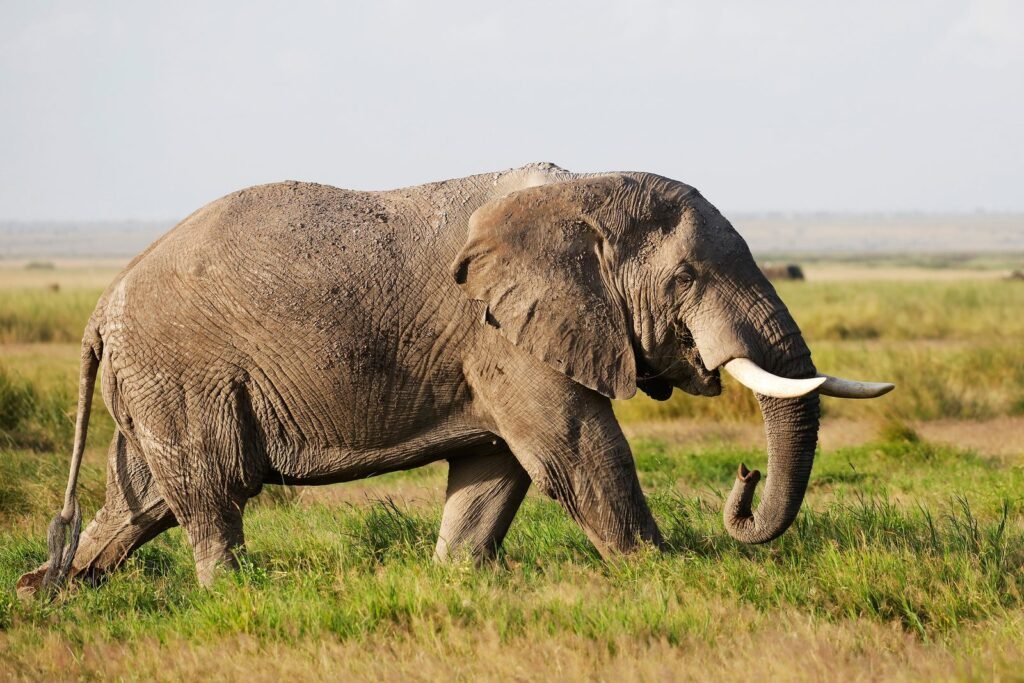
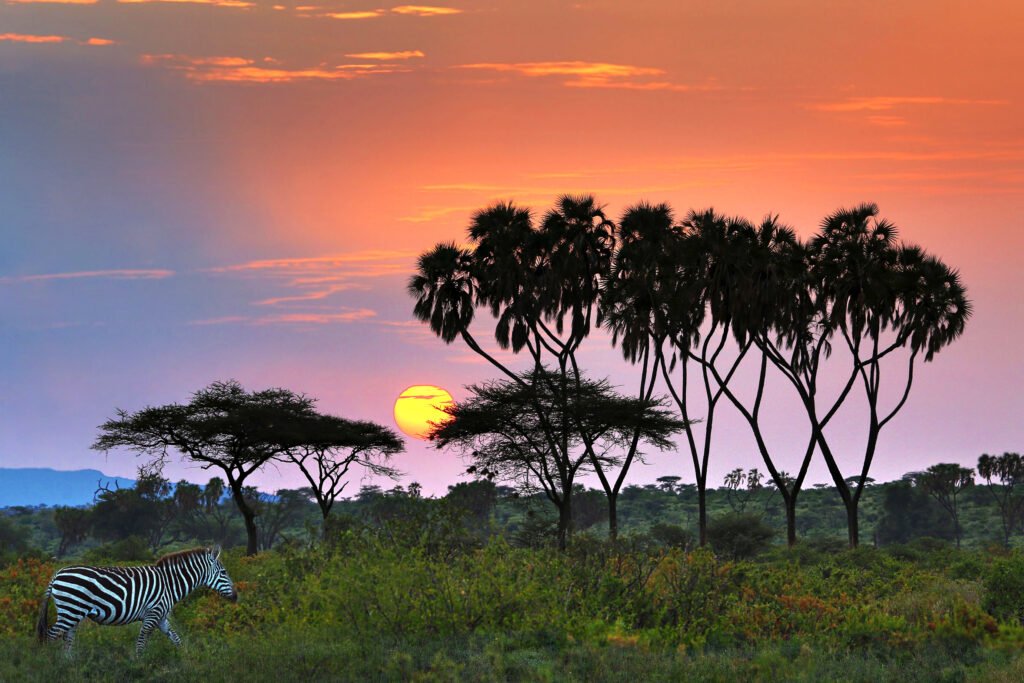
A herd of elephants in Amboseli National Park, KenyaDoum palms and zebra silhouetted against a sunrise in Samburu, northern Kenya. Licensed Adobe Stock 361631445
The essentials

Highlights

DurationTypically 7 to 10 days
TrekkingNone. Game drives, and walking in the conservancies
GroupPrivate. Your group only in the vehicle
Starts and endsNairobi
FitnessEasy. Long game drives, early mornings
Best monthsJuly to October for the crossings. January to March for cats

The journey

Day by day, and the road between them.
Samburu to the Mara, from Nairobi4 stops: Nairobi, Samburu, Lake Nakuru, Maasai Mara.ANairobiBSamburuCLake NakuruD
Stops on the route
Days 1 and 2

Nairobi, then north to Samburu

We collect you in Nairobi and head north, over the equator at Nanyuki with Mount Kenya on your right if the cloud is kind. The country dries out steadily, and by the time you drop into the Ewaso Nyiro valley it is red earth, doum palms and acacia.

Samburu is small and nothing like the Mara. The river draws everything to it, and the species here are northern specials you will not see further south: reticulated giraffe, Grevy's zebra, gerenuk and oryx.

325 km, about 5 hours 30

Where you sleep

LuxuryTented camp on the Ewaso Nyiro

PremiumLodge inside the reserve

Days 3 and 4

Lake Nakuru and the rift floor

South again, down the eastern wall of the Rift Valley with the escarpment viewpoints opening on your right. Lake Nakuru is fenced, compact and the most reliable place in Kenya to see rhino, both black and white, often in the same morning.

The flamingos come and go with the water level and nobody can promise them. Rothschild's giraffe are resident and certain, and the lion here have a habit of climbing the yellow fever trees.

350 km, about 6 hours

Where you sleep

LuxuryLodge on the park escarpment

PremiumLodge above the lake

Days 5 to 8

Three nights in the Mara

West and down onto the Mara. Three nights is the minimum that works: it gives you three full mornings, and the mornings are when the cats hunt.

In the crossing season we position you within reach of the northern bank and wait, which is most of what a crossing involves. Out of season the Mara is quieter, cheaper and arguably better for predators, with the big prides holding territory and the cheetah out on the open plains.

There is a balloon at dawn if you want it, lifting off before the sun and landing to breakfast on the grass.

5h from Nakuru

Where you sleep

LuxuryConservancy camp with night drives and walking

PremiumTented camp inside the reserve

Day 8

The road or the light aircraft back

Five and a half hours of hard road back to Nairobi, or forty five minutes from one of the Mara airstrips. We price both, and most people who fly say it is the upgrade they would repeat.

If you are going on to Tanzania, the Serengeti is the same ecosystem across the border and the herds move between them. We can build the two together rather than treating them as separate trips.

5h 30m by road, or 45 minutes flying

Where you sleep

Departure, or onward to Tanzania

Dates

The lodges worth staying in hold few rooms, and dry season dates go first.

Give us an approximate date and we check availability against it. No payment, no obligation.

Plan my trip

What your trip includes

Full board throughout

Private 4x4 with a pop-top roof and driver-guide

All park and conservancy fees

Airport collection and return, Nairobi

Bottled water in the vehicle

What it does not cover

International flights

Kenya eTA

Balloon flight over the Mara, about USD 500

Tips, alcohol and personal items

Single room supplement

Not quite the trip you had in mind? Every departure is private, so the length and the lodges are yours to change. Tell us what you want.

About the destination

Kenya

Kenya journeys

Before you book

What we tell everyone before they book

01
The crossings are July to October and nobody controls them. The herds move on rain, not on a calendar. Being there in the window puts you in the right place; it does not buy you a crossing on a particular afternoon.
02
The conservancies are quieter than the reserve. The Mara's bordering conservancies cap vehicle numbers and allow night drives and walking, neither of which the national reserve permits. They cost more per night and are usually worth it.
03
Fly the last leg if the budget allows. Mara to Nairobi is five and a half hours of hard road or forty five minutes in a light aircraft. It is the one upgrade almost everybody says they would repeat.

What to bring

  • Binoculars, one pair per person
  • A long lens if you have one, and a dust-proof bag
  • Neutral colours for the walking conservancies
  • A warm layer, dawn in the Mara is cold
  • Sun hat and high factor sunscreen
  • Insect repellent
Questions, answered

Before you ask

When exactly is the migration?

The river crossings on the Mara's northern bank are usually July to October. The herds move on rain, not a calendar, so travelling in the window puts you in the right place but does not buy a crossing on a given afternoon. Anyone promising you one is promising weather.

Reserve or conservancy?

The conservancies bordering the Mara cap vehicle numbers and permit night drives and walking, which the national reserve does not. They cost more per night. If you have been on safari before, they are usually the better three nights.

Is Samburu worth five hours of driving?

If you want a trip that is not only the Mara, yes. Reticulated giraffe, Grevy's zebra, gerenuk and beisa oryx live there and nowhere near the Mara. If your days are tight we will cut Samburu rather than cut your Mara nights.

What happens if I need to cancel?

Nothing is paid when you enquire. Camps in the Mara hold their own deposit terms in high season and we pass those on to you exactly as they are charged to us. Your deposit amount and balance date are put in writing before you pay anything.

Can we combine Kenya with the Serengeti?

Yes, and it is the same ecosystem across one border. The herds move between them, so which side is better depends entirely on your month. Tell us your dates and we will say which way round to build it.

How soon will you reply?

Within one working day, with a route, a price with nothing hidden in it and an honest view on what your month will actually show you.

Plan this trip

Tell us roughly when

Every departure is private and built around your dates, so there is no schedule to fit into. Give us an approximate day and we check permits against it.
You get back permit availability, a quote with nothing hidden in it, and an honest view on whether the length suits you. No deposit until you are sure.
Prefer to write to us directly?
hello@wildroutetours.com
A trip designer replies within one working day.
Plan this trip
No payment now, and no obligation. A trip designer replies within one working day.